


 Xi Rest Breaks Cut Trump Summit Schedule, WSJ Reports
  Brazil Presidential Debate Canceled as Lula, Bolsonaro Skip Event
  Putin Says Western Firms Could Regain Russian Assets
  Merz Pledges €1 Billion in Ukraine Aid During Kyiv Visit
  UK Warned Over Growing Reliance on US Cloud Providers
  Tsai Ing-wen to Visit US for Stanford Security Conference
  Iran Plans Stronger Response if US Attacks Resume
  Netanyahu Vows Probe Into Foiled Flydubai Crash Attempt
  California Leads Lawsuit Over Trump’s $810 Million Funding Cuts
  South Korea Warns Ukraine Over North Korean POW Dispute
  Trump Heads to Ohio to Boost Husted in Tight Senate Race
  Marco Rubio to Visit Iceland, Greece and Portugal
  Israeli Settler Attack in West Bank Kills Palestinian
  Ukraine Deploys FP-7 Ballistic Missile in Combat for First Time
  US Waives Egypt Military Aid Conditions Over Iran War Role
  US Waives $320M Egypt Military Aid Conditions After Iran War Role
  G20 Divided Over US Push to Curb Industrial Overcapacity


 Add as a preferred source on Google
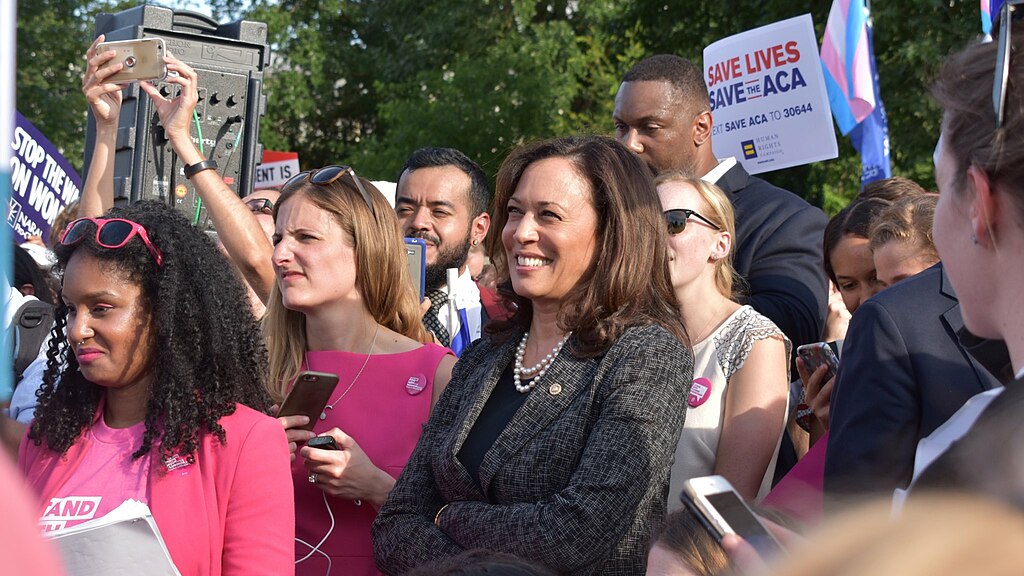
Barbara Pierce Bush, the daughter of former President George W. Bush and granddaughter of former President George H.W. Bush, has made headlines by endorsing Vice President Kamala Harris in the upcoming presidential election. Bush’s public support for Harris signals a surprising departure from her family’s long-standing ties to the Republican Party, stirring bipartisan discussion about what her endorsement means for the upcoming election and the future of the Bush family’s political legacy.
The endorsement came via a statement from Barbara Bush, who expressed admiration for Harris's leadership and her vision for the nation. “Kamala Harris represents a future of inclusion, strength, and progress,” Bush shared in her statement. “We are at a pivotal moment in American history, and I believe Kamala has the resolve and the resilience to lead us forward.”
Barbara Bush’s support for Harris is particularly significant given her family’s history. Her father, George W. Bush, served as the 43rd president of the United States under the Republican banner, while her grandfather, George H.W. Bush, held the same office as the 41st president. Her endorsement of Harris, a high-ranking Democratic figure, signals a bold move toward bipartisanship, sparking conversations across party lines about the evolving political ideologies within the Bush family.
The endorsement comes as no small surprise to many, as the Bush family has traditionally been aligned with conservative policies and has maintained a firm commitment to Republican ideals. However, in recent years, Barbara Bush has distanced herself from party-specific politics, focusing on health initiatives and advocacy work, including co-founding Global Health Corps in 2009, a nonprofit focused on addressing health inequities.
While the Bush family has not commented directly on Barbara’s endorsement, political analysts speculate that this move could influence moderate voters who resonate with the Bush family’s legacy but feel disenchanted with the current state of the Republican Party. Political strategist Lisa Conway notes, “Barbara Bush’s support for Kamala Harris may sway Republicans and independents who value the principles of the Bush family but are seeking a different leadership style.”
Barbara Bush’s endorsement has already prompted discussions online, with supporters and critics alike weighing in. Some conservative commentators voiced disappointment, questioning the shift in allegiance, while others noted the significance of having influential voices bridge the divide between the two major political parties.
Despite the mixed reactions, Bush stands firm in her decision, emphasizing that her endorsement is less about party affiliation and more about leadership. “The challenges America faces today demand a thoughtful, compassionate leader,” she said. “I believe Kamala Harris is that leader.”
As the nation looks toward the upcoming election, the endorsement from Barbara Pierce Bush adds a unique twist to the race, highlighting both the potential for cross-party support and the changing dynamics within some of the country’s most prominent political families. Whether her endorsement will impact the outcome remains uncertain, but it has certainly reignited interest in how influential family legacies play out in contemporary American politics.







