


 US Condemns China Sanctions on Taiwan Allies Belize and Paraguay
  China Warns Taiwan Over South China Sea Coast Guard Incident
  FBI Denies Report of Kash Patel’s Russia Visit
  Trump Denies China, Russia Are Helping Iran in War
  Zelenskiy Says Ukraine Received No Warning Before Russian Missile Attack
  Zelenskiy Says Trump’s Support for Russia Is ‘Painful’
  Zelenskiy Seeks New US Talks to Revive Ukraine-Russia Peace Negotiations
  Elon Musk Donates $366 Million to 2026 US Midterms
  Container Ship Sinks in Strait of Hormuz as Iran Attacks Escalate
  US Justice Department Drops Prosecution of Ex-CIA Analyst Sue Mi Terry
  Most Americans Oppose Election Betting on Prediction Markets, Poll Finds
  Trump Denies Russia and China Are Helping Iran in U.S. Conflict
  Trump Announces Massive Oil and Mineral Exploration Plans in Greenland
  UN Urges Talks on Lebanon Peacekeeping Mission Extension
  US Recalls Nicaragua Envoy After Ambassador Rejection
  US Senate Midterms 2026: Key Races That Could Flip Control
  IMF Warns US Debt Crisis Needs Fiscal Action, Urges China to Boost Consumption


 Add as a preferred source on Google
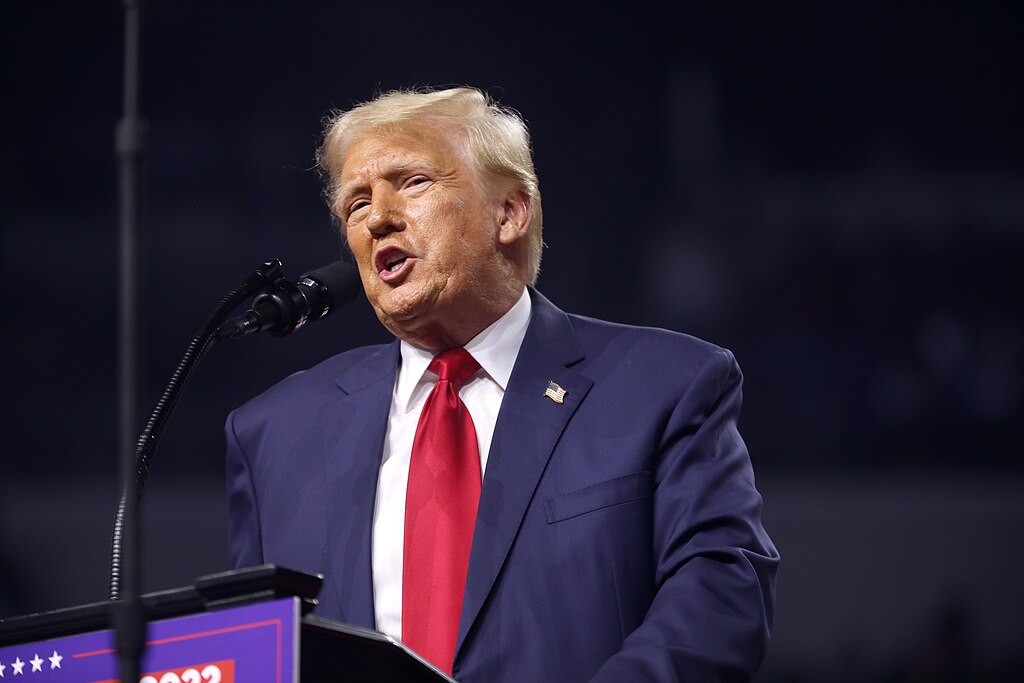
Former President Donald Trump has unveiled his national security agenda for 2025, presenting a sweeping framework aimed at addressing evolving global threats and restoring U.S. dominance in international affairs. The plan emphasizes a mix of military modernization, immigration policies, and cybersecurity advancements, sparking both praise and controversy.
Trump’s vision focuses on fortifying American borders, revamping defense strategies, and re-establishing the nation’s global leadership role. However, critics have raised concerns about the feasibility and potential fallout of these measures, particularly regarding their impact on international relations and domestic freedoms.
Revamping the U.S. Military
A key pillar of Trump’s national security plan is the modernization of the U.S. military. The former president has proposed increased defense spending to enhance the country’s nuclear arsenal, expand its cyber defense capabilities, and invest in cutting-edge technologies such as hypersonic missiles and artificial intelligence-driven warfare.
Trump’s approach aims to counter growing threats from nations like China and Russia, which have aggressively expanded their military capabilities in recent years. His plan also includes strengthening alliances with NATO partners while demanding higher contributions from member nations to share the financial burden of collective defense.
Immigration and Border Control
Continuing his hardline stance on immigration, Trump’s 2025 agenda places significant emphasis on border security. Proposals include completing the U.S.-Mexico border wall, deploying advanced surveillance technologies, and increasing manpower for Customs and Border Protection (CBP).
The plan also introduces stricter vetting procedures for immigrants and refugees, focusing on national security risks. Critics argue that such measures could stoke tensions with neighboring countries and face legal challenges over human rights concerns.
Cybersecurity as National Security
Recognizing the increasing importance of cyber threats, Trump’s strategy highlights cybersecurity as a cornerstone of national security. His plan includes establishing a Cyber Defense Task Force to counteract foreign cyberattacks and protect critical infrastructure from potential breaches.
While proponents hail the initiative as a necessary step in an era of digital warfare, privacy advocates warn that it could pave the way for government overreach and mass surveillance.
Social Media Erupts Over Trump’s Proposals
Trump’s national security agenda has ignited a firestorm of debate on social media, with opinions divided across the political spectrum:
- @PatriotShield2025: “Trump’s plan puts America first. We need strong borders and a strong military—this is the way!”
- @LibertyWatcher: “National security shouldn’t come at the cost of civil liberties. This feels like a slippery slope.”
- @GlobalPeaceNow: “This plan risks alienating allies and escalating tensions globally. Diplomacy is still key!”
- @SecureTheNation: “Cybersecurity is critical, but what about oversight? Who’s protecting us from the government’s gaze?”
- @BorderRealist: “More walls and vetting? We need solutions that balance security with compassion.”
- @TechInnovator: “The focus on tech is smart. If we don’t innovate, we fall behind. Let’s get it done!”
Controversy and Concerns
Critics have raised questions about the long-term implications of Trump’s proposals. Some argue that increased militarization and immigration crackdowns could damage the country’s reputation as a beacon of freedom. Others fear the economic burden of expanded defense budgets and potential backlash from international allies.
Supporters, however, see the plan as a necessary step to restore America’s position on the world stage, emphasizing the need for strong leadership in an increasingly volatile global environment.
A New Era or a Step Backward?
As Trump’s national security agenda for 2025 takes shape, its impact on America’s future remains uncertain. While some hail it as a bold vision for restoring strength and sovereignty, others warn of its potential to deepen divisions and strain global relations.







