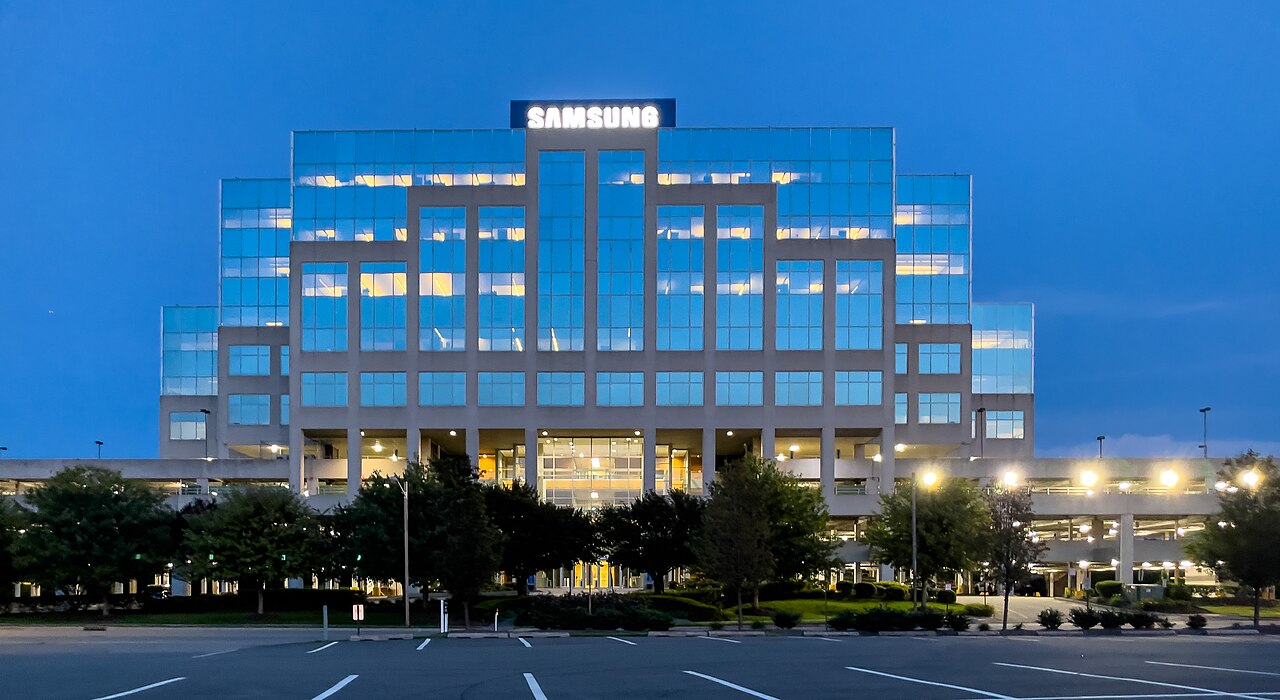
Samsung Electronics is grappling with rising trade tensions as U.S. President Donald Trump’s tariff policies threaten the company’s heavy reliance on Vietnam for smartphone production. During a July meeting, Chairman Jay Y. Lee reaffirmed Samsung’s long-term investment in Vietnam, which now manufactures 60% of its global smartphone output—many destined for the U.S., where Samsung is the second-largest smartphone brand.
However, Trump’s proposed tariffs of up to 46% on Vietnamese goods have alarmed Samsung and its suppliers. A temporary 90-day reprieve, setting the rate at 10%, has bought time for negotiations, but uncertainty looms. Vietnam’s $120 billion trade surplus with the U.S. has made it a target, with hopes of lowering tariffs to 22–28%. Reuters sources say Samsung is evaluating alternatives, including boosting production in India or South Korea—though both require costly adjustments.
This tariff threat comes amid growing concerns about Vietnam’s manufacturing environment. Rising labor costs, stricter tax regulations, and power shortages have eroded the country’s cost advantages. Economists suggest India could benefit as companies seek stable alternatives. Samsung, whose exports made up 15% of Vietnam’s total in 2024, is reportedly considering shifting U.S.-bound production to its Gumi facility in South Korea.
Vietnam’s appeal as a low-cost manufacturing hub is diminishing, especially for tech giants like Samsung and Apple. Apple faces even steeper tariffs—up to 145%—on iPhones imported from China. As tensions rise, foreign manufacturers are adopting a cautious “wait and see” stance, with potential workforce reductions already under discussion.
Samsung has not officially commented, but employees like Nguyen Thi Hao, a worker at its Thai Nguyen plant, fear job cuts as trade talks unfold. The evolving situation could reshape global tech supply chains and shift manufacturing power dynamics in Asia.