


 Who should own the knowledge that underpins AI technology?
  Brazil Warns EU of Retaliation Over Animal Products Ban
  Hyundai CEO Warns Chinese Automakers Could Disrupt US Market
  Meta CEO Zuckerberg Backs Independent AI Safety Reviews Over Development Slowdown
  Synthetic data could ease people’s concerns about privacy breaches. But who gets to create it?
  Iran Economic Crisis Forces Afghan Families to Return Home
  ICE Agent Arrested in Minneapolis Over Venezuelan Man Shooting
  Japan, U.S. Discuss $19 Billion GlobalFoundries Chip Plant
  Pentagon Restarts Testosterone Testing for US Troops
  SEC Seeks ISS Client Voting Records in Proxy Adviser Probe
  Trump Administration Removes Confederate Memorial Criticism From Arlington Website
  Texas Republicans Turn Against AI Data Centers as Election Backlash Grows
  Venezuela Nears Deal to Move $4 Billion in Gold to New York Fed
  NASA, Boeing Discuss Expanding Starliner Missions
  UN Allows Mahmoud Abbas Video Address After US Visa Denial
  Australia Plans New Rules Giving Users Control Over Social Media Feeds
  Appeals Court Rejects Trump Third-Country Deportation Policy


 Add as a preferred source on Google
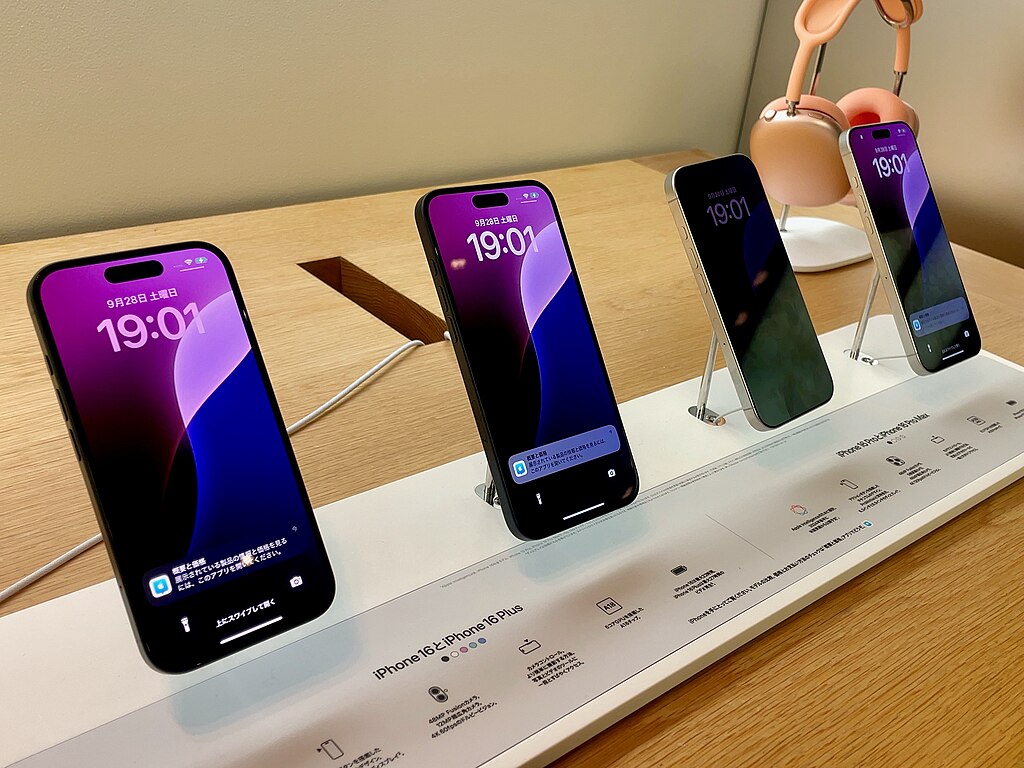
President Donald Trump’s administration has granted critical tariff exemptions for smartphones, computers, and other electronics, offering relief to tech giants like Apple, Dell, and Nvidia. The exclusions, retroactive to April 5, cover a wide range of imported items—particularly from China—including laptops, memory chips, flat panel displays, and semiconductors. The U.S. Customs and Border Protection published a list detailing the 20 exempt product categories, notably the 8471 code for all automatic data processing equipment.
This decision comes as reciprocal tariffs on Chinese imports soared to 125% this week, threatening to disrupt supply chains and inflate consumer prices. Analysts estimate that without exemptions, the price of premium iPhones could have surged from $1,599 to over $2,300. Apple, which has shifted some iPhone production to India, recently flew 600 tons of devices to the U.S. to avoid added costs.
The exclusions also apply to Trump’s 10% baseline tariffs on imports from most other countries, easing costs for key electronics from Taiwan and India. While offering short-term relief, Trump plans to launch a national security investigation into semiconductors, which could trigger further tariffs.
Wedbush Securities analyst Dan Ives called the exemptions "bullish news" for the tech sector, especially amid fears of inflation and market volatility. Trump’s push to onshore manufacturing is accelerating, with companies like Apple and Taiwan Semiconductor planning expanded U.S. operations.
Despite internal criticism and recession fears, Trump remains firm on tariffs as part of his broader economic realignment. The move comes as China retaliated with equivalent 125% duties, intensifying the trade war. Market reactions were mixed, with gold hitting record highs and bond yields spiking, signaling investor unease over the global economic outlook.







