


 Iran Economic Crisis Forces Afghan Families to Return Home
  SEC Seeks ISS Client Voting Records in Proxy Adviser Probe
  Australia Defends Social Media Algorithm Law Amid US Concerns
  FBI, Coast Guard Board Ships After Cyberattacks
  Trump Administration Removes Confederate Memorial Criticism From Arlington Website
  France Urges Faster AI Push Despite Safety Risks
  Pentagon Restarts Testosterone Testing for US Troops
  Australia Tightens Student Visa Rules, Targets Migration Cut by 2028
  Google Changes EU Spam Policy Amid Antitrust Scrutiny
  Trump Eyes End to Iran War, Plans Gulf Leaders Meeting
  US Officials Meet Houthis in Oman Amid Yemen Offensive
  Trump Bans CNN, MS NOW and Politico From White House
  DOJ Will Investigate AI-Related Crimes, Attorney General Blanche Says
  Bessent Presses Japan on Fiscal Policy as Yen Struggles
  US Allies Fear Trump Could Soften Taiwan Stance in Xi Talks
  Australia Plans New Rules Giving Users Control Over Social Media Feeds
  Synthetic data could ease people’s concerns about privacy breaches. But who gets to create it?


 Add as a preferred source on Google
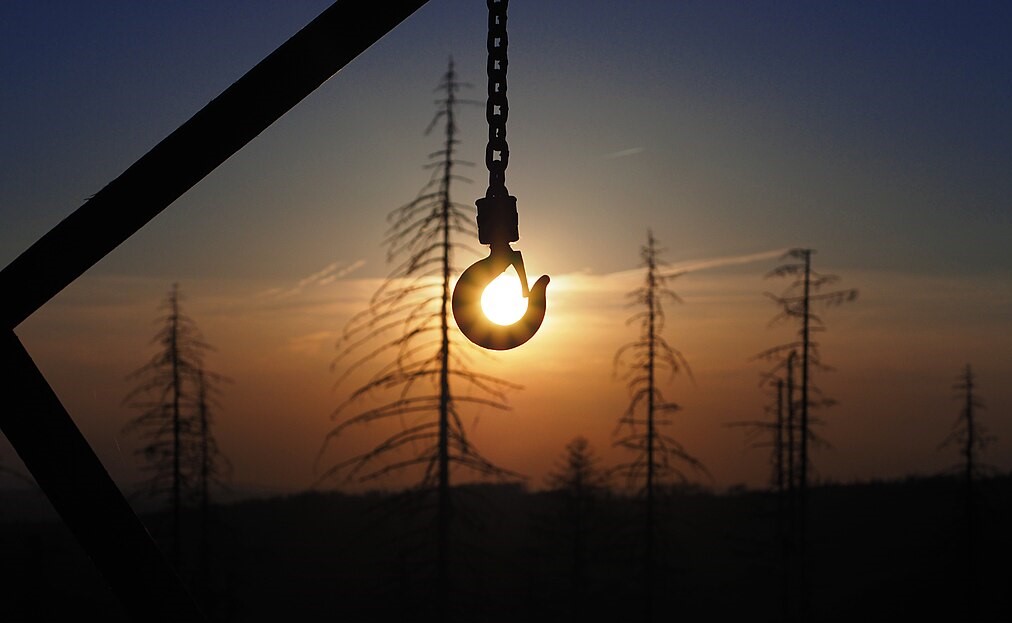
President Donald Trump has renewed calls for Congress to make daylight saving time (DST) permanent, urging lawmakers to end the long-standing practice of switching clocks twice a year. His comments follow a recent congressional hearing—the first in over three years—on whether to adopt daylight saving time year-round or remain on standard time permanently.
“The House and Senate should push hard for more daylight at the end of the day,” Trump said on Friday, advocating for longer evenings that many believe could boost economic activity, particularly during winter.
In March 2022, the Senate unanimously passed a bill to make DST permanent, but the legislation stalled in the House of Representatives. Trump noted last month that there remains no clear consensus, with Senator Ted Cruz acknowledging the challenge: “There is widespread agreement on locking the clock, but where to lock it?”
Allowing states to choose their preferred time standard has also been proposed, though critics argue that it could result in a confusing patchwork of time zones across the country.
Daylight saving time has been practiced across most of the U.S. since the 1960s. Proponents argue permanent DST would reduce energy consumption, improve evening safety, and encourage commerce. However, critics raise concerns that darker mornings would pose risks to children commuting to school and could disrupt natural sleep cycles.
Historically, year-round DST was enacted during World War II and briefly reinstated during the 1973 oil crisis to save energy, but public dissatisfaction led to its repeal after just one year.
Opponents of the time changes cite increased health issues, sleep disturbances, and higher rates of traffic accidents linked to clock shifts. As debate continues, Congress faces growing pressure to resolve the issue and “lock the clock” for good.







