


 Trump Defends Russian Diesel Deal Amid US Sanctions Backlash
  Asian Currencies Steady as Dollar Nears 18-Month High Ahead of US CPI
  UK Finance Minister Healey Calls for Fiscal Discipline Amid Global Risks
  US Dollar Rises for Fourth Week as Fed Rate Hike Bets Grow
  US Dollar Near 18-Month High Ahead of Inflation Data
  Samsung, SK Hynix Shares Plunge as China Chip Competition Grows
  Oil Prices Fall as Trump Ceasefire Claim Shifts Market Focus to U.S. CPI
  Coinbase CEO Backs SEC Accredited Investor Reform
  RBA Signals More Rate Hikes as Inflation Risks Rise
  Nvidia’s China AI Chip Market Share Falls to 34% as Huawei Gains Ground
  Oil Prices Fall as Russia Signals Higher Diesel Exports
  US Stock Futures Rise as Oil Prices Fall Ahead of Q3 Earnings
  Albertsons Seeks $9.3 Billion From Kroger Over Failed Merger
  Russia Approves Sberbank for Crypto Exchange Services
  Nasdaq Falls as Oil Prices Surge Ahead of Bank Earnings
  Binance to Shut Down Crypto Mining Pool Services on November 10
  PepsiCo Slashes Poppi Earnout Valuation as Growth Slows


 Add as a preferred source on Google
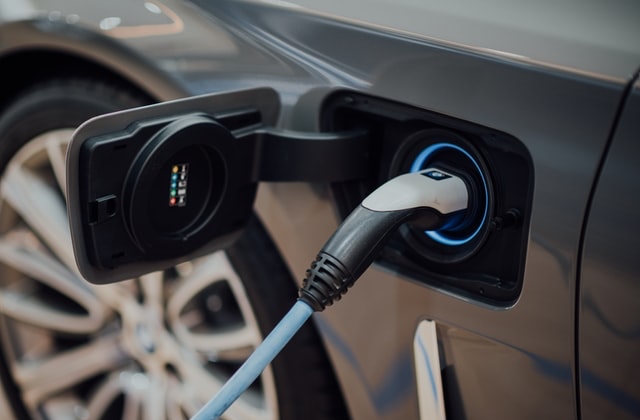
Imported electric cars are set to arrive in South Korea in the coming years. Based on the report, foreign car brands are bringing at least 54 EV models to the country by 2023.
Sales increase for eco-friendly
This country’s imported car association shared this information on Tuesday, July 6. As per The Korea Herald, the new executives and board members of the Korea Automobile Importers & Distributors Association said that as the shift to electrification is becoming more evident in the industry, foreign car companies will further push the changes by bringing more EVs to the region.
“For me, it is not a question of whether or not this trend (of electric vehicles) will continue,” Mercedes-BenzKorea president and vice president of the KAIDA, Thomas Klein, said via virtual conference this week. “I think electrification of vehicles is part of the automotive future. And that will also mean that cars will be available in all price ranges.”
Audi Volkswagen Korea’s managing director and KAIDA’s chairman, Rene Koneberg, added that the number of environmentally-friendly cars that were sold in S. Korea went up to 18.1% last year, and this is a 2.5 percent increase compared to the previous year.
He suggested that the surge was because the companies that are part of the association released 10 imported EV models. For this year, the eco-friendly imported vehicles that were sold from January to April reached 30.6%, and this includes electric vehicles, hybrid cars, and plug-in hybrid EVs.
Why the imported EVs are coming to S. Korea
Yonhap News Agency reported that aside from the 54 electric car models that are coming to S. Korea, KAIDA is also planning to introduce 46 mild hybrid electric vehicles, plug-in hybrid and at least 32 hybrid vehicles in the next two years.
The move to launch these vehicles in the country comes as countries around the world announced their plans to get rid of and totally ban gas-powered vehicles by the year 2040. The declaration was to support the global efforts to reduce carbon emissions that are contributing to the worsening global warming.
The drive to reduce carbon emissions pushed the “paradigm shift" in the auto industry. This is why carmakers today are developing EVs and autonomous cars.
"The next decade will bring the same change to the automobile market as the change carmakers experienced in the past 100 years," Koneberg said.







