


 Morgan Stanley Predicts $10 Trillion RWA Market by 2030
  European Stocks Rise as Oil Prices Fall Ahead of US CPI
  IMF, World Bank Meetings Face Global Economic Risks Amid Iran War
  Wells Fargo Expands Stablecoin Plans With 20 Major Banks
  Oil Prices Rise as Houthi Attacks Threaten Middle East Supply
  South Korea Blocks 27 Crypto Exchange Websites in Regulatory Crackdown
  S&P 500 Rally Masks Losses for Over 40% of Stocks in 2026
  Asian Currencies Steady as Dollar Nears 18-Month High Ahead of US CPI
  NEAR Protocol Leads AI Crypto Rally Amid Fed Rate Hike Fears
  Most Americans Oppose Election Betting on Prediction Markets, Poll Finds
  Trump Secures Russian Diesel Deal as US Fuel Prices Surge
  Citi Upgrades Galaxy Digital Stock, Raises Price Target to $28
  Nasdaq Falls as Oil Prices Surge Ahead of Bank Earnings
  UK Finance Minister Healey Calls for Fiscal Discipline Amid Global Risks
  Visa Wins China Approval to Prepare Domestic Payments Expansion
  Philippines Current Account Deficit Seen at $19.1 Billion in 2026
  Coinbase CEO Backs SEC Accredited Investor Reform


 Add as a preferred source on Google
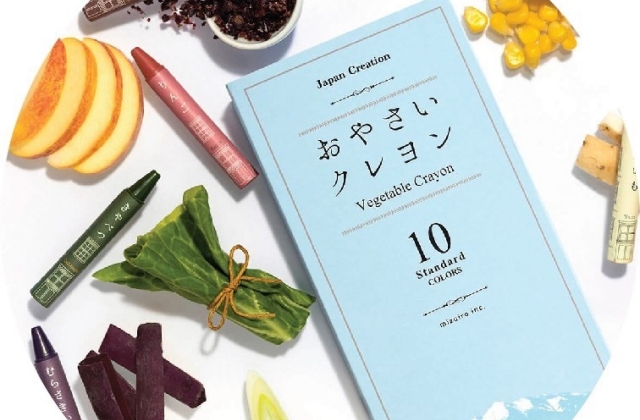
Mizuiro Inc., a Japanese company, founded by Naoko Kimura, a designer, created a crayon that is very safe for kids to use. They are not the traditional crayons as they were made from all-natural ingredients.
The coloring material that is mostly used for kids’ art projects is called the Oyasai Crayons, and they are also known as vegetable crayons. These are produced from food waste, so they are more sustainable and safer to use compared to the pigmented wax version that everyone is familiar with.
The introduction of eco-friendly crayons
The Crayon Collection project that was set up to make sure that all the children around the world would have access to crayons and develop their creativity stated that every year, around 150 million crayons are disposed of in the United States alone.
Environmental Leader noted that most of the crayons are not eco-friendly as well, and unfortunately, these are the types that are being sold in the market. These crayons are made of paraffin wax, where petroleum is one of its main components. This is a toxic chemical and obviously not safe for children, especially if they are accidentally swallowed.
What’s more, if these types of crayons are not recycled, they always end up in landfills and never decompose, so they remain as waste. Now, the Oyasai Crayons were introduced, and apart from the appearance, this is nothing like the traditional crayons.
How the plant-based “vegetable” crayons are made
These are made from rice and vegetables, so they are 100% all-natural. The rice bran oil and the wax from the rice bran are the main ingredients. The rice oil and wax are said to be byproducts of the rice polishing process, so the crayons are basically made from waste.
The pigments are from recycled materials as well, and leaves of vegetables are used for this. The discarded or rejected vegetables are collected during harvest periods and processed to create the color pigments in the plant-based crayons.
Since the crayons are made from vegetables, each color is given a name of the vegetable where it was actually made from, such as Japanese yam, corn, carrot, green onion, burdock, long potato, apple, purple potato, takesumi (a bamboo charcoal) and cassis.
As per Inhabitat, these pigments are the same ones that are used as ingredients in food. While this is not edible, it is surely all-natural, so parents can allow their kids to use crayons without any worries.







