


 Gold Steady as Softer U.S. Inflation Eases Fed Rate Hike Bets
  BOJ Flags Import Costs and Yen Shocks as Persistent Inflation Risks
  Gold Plunges 4% as Treasury Yields Surge and Fed Rate Hike Bets Rise
  Dollar Eases Near Two-Month High as Yen Rebounds
  US Dollar Hits Two-Month High as Aussie, Pound Slide
  Fed Rate Hike Threatens Housing as U.S. Growth Leans on AI, Citi Says
  Fed’s Hammack Says Bond Yield Surge Is Not Driven by Inflation Fears
  Trump Demands Powell Resign Over Fed Renovation Cost Overruns
  Yen in Focus as BOJ, Fed Rate Hikes Reshape Currency Markets
  RBA Says ASX Still Falls Short on Governance and Risk Controls
  BOJ Set for Rate Hike as Inflation and Yen Pressure Mount
  RBA Hikes Interest Rate to 4.60% as Inflation Risks Rise
  Trump Eyes $54 Billion South Korean Investment in Alaska LNG


 Add as a preferred source on Google
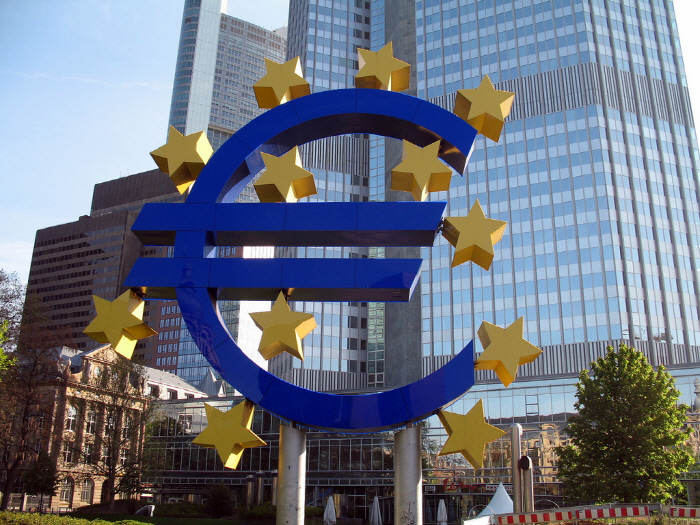
The European Central Bank (ECB) may need to lower its deposit rate slightly below 2% due to mounting global trade tensions and increasing risks to eurozone inflation and economic growth, according to Belgium’s central bank governor Pierre Wunsch.
In an interview with the Financial Times, Wunsch—previously known for his hawkish views—signaled a shift, stating that recent shocks, including U.S. tariff hikes announced by President Donald Trump on April 2, have introduced “clear downside risks to inflation.” These developments, Wunsch noted, justify a more supportive monetary policy stance, including rate cuts below the current 2.25%.
Wunsch emphasized that he does not support a large rate cut, such as a half-point drop, in the near term. Instead, he supports a gradual approach, warning that the eurozone could face a short-term negative economic shock, potentially followed by a positive rebound in 2026 and 2027.
This marks a notable change in tone from his February remarks, where he cautioned against “sleepwalking” into excessive easing. However, the recent volatility in global trade has altered the outlook.
Market expectations now reflect a 90% probability of a rate cut at the ECB’s next meeting on June 5, with one additional cut priced in for later this year. Traders expect the deposit rate to reach a low of around 1.75%.
Wunsch told the FT he was “not shocked” by market forecasts and remained open to further policy easing if economic conditions continue to weaken.
His comments suggest the ECB may pivot towards a more dovish stance, highlighting the central bank’s balancing act between stabilizing inflation and supporting growth amid rising geopolitical uncertainty.







