


 FxWirePro: Daily Commodity Tracker - 21st March, 2022
  Yen in Focus as BOJ, Fed Rate Hikes Reshape Currency Markets
  Fed Unveils Stablecoin Rules Under GENIUS Act
  RBI Rate Hike Bets Surge as Inflation Rises
  Best Gold Stocks to Buy Now: AABB, GOLD, GDX
  RBI Uses $10 Billion Currency Swaps to Drain Excess Rupee Liquidity
  Fed’s Hammack Says Bond Yield Surge Is Not Driven by Inflation Fears
  Fed’s Logan Signals 50 Basis Points More in Rate Hikes


 Add as a preferred source on Google
Bridge-loan for Greece agreed, ELA raised by €900m, banks will reportedly reopen on Monday, and the Bundestag will approve the austerity bill today. Something that can go wrong possibly is the Eurostoxx is up 10.7% since 7 July and is trading at the highest level since 27 May (378.7). EUR/USD has fallen to the lowest level since 27 May (1.0856).
Investors have returned to buying euro equities, but overseas investors are hedging their long euro equity with a short euro currency position. Negotiations over the €86bn bailout between Greece and the creditors can start as soon as the German parliament passes the agreement today, but it promises to be an arduous process.
The IMF will only participate if there is debt relief. Germany rejects a haircut but still wants the IMF involved. Another flashpoint lurks in the distance, and Alexis Tsipras is still the PM of Greece. More details of how the EFSM funded bridge loan of €7.0bn for Greece will work will be announced today.
It will contain guarantees against losses for the non-euro member states and will allow Greece to pay €3.5bn to the ECB on Monday and make up its arrears of €2.0bn to the IMF. The hostilities of the past two weeks have finally ceased, but the lull and return of demand for risk may not be durable.
The IMF and Germany do not see eye to eye over debt restructuring. With the Fed still talking higher rates, this does not augur well for the Euro.

- News

- Economy

- Central Banks
- Investing
- Research
- Roundups
- Digital Currency
- Insights
- Technical Analysis
- Technology
- Business
- Law
- Health
- Nature
- Fintech
- Science
- Topic
- Opinions
- ©Econometrics LLC . All Rights Reserved.
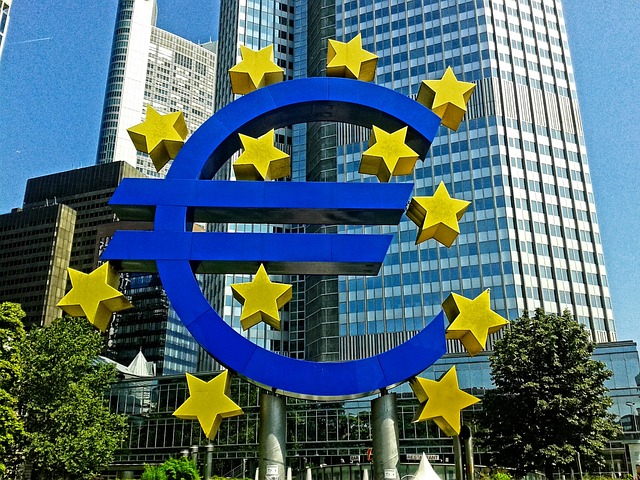
ECB raises the Greece ELA, agrees on bridge-loan
Friday, July 17, 2015 7:21 AM UTC
Editor's Picks



- Market Data
Most Popular




