


 FDA Approves Mirum’s Atebrioz for Rare Bone Disorder FOP
  New Mexico Measles Outbreak Cost Reached $5.4 Million, Study Finds
  GSK Unveils $2.52 Billion Cost-Cutting Plan to Accelerate Drug Pipeline
  Novo Nordisk Strikes €1.17 Billion Nanexa Drug Delivery Deal
  Sanofi, Regeneron Expand Drug Partnership in $8 Billion Deal
  Eli Lilly Eyes AtaiBeckley Acquisition to Expand Psychedelic Mental Health Pipeline
  AstraZeneca Halts Phase III Volrustomig Lung Cancer Trial After Efficacy Setback
  Novartis M&A Strategy Faces Investor Scrutiny After Drug Setbacks
  Venezuela Earthquake Health Risks Rise as Disease Monitoring Intensifies
  Hanmi Pharm Soars 30% on $2.3 Billion Genentech Obesity Drug Deal
  Moderna Short Sellers Hit With $4.8 Billion Loss as Stock Soars
  SK Biopharmaceuticals Secures Global Rights to Biohaven Epilepsy Drug Opakalim
  HUTCHMED, AstraZeneca Seek FDA Approval for Lung Cancer Combo
  Hengrui Shares Rise on $2.6 Billion Novo Nordisk Obesity Drug Deal


 Add as a preferred source on Google
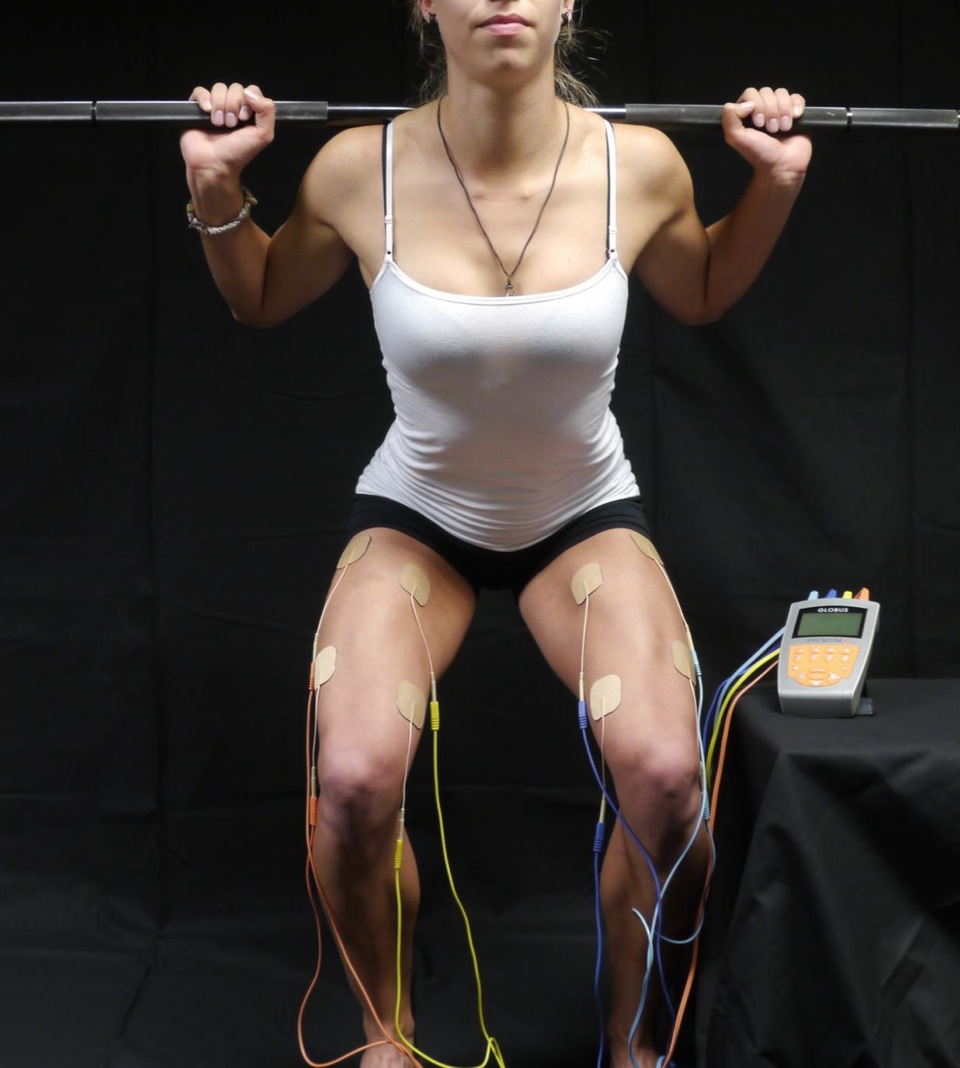

Exercise can benefit people who have, or are recovering from, a serious illness, including cancer. The problem is, people who are very ill often have muscle weakness and other side effects that prevent them from being physically active. It’s a catch-22 situation.
Fortunately, there may be a technological solution, and it goes by the rather unattractive name of neuromuscular electrical stimulation – or NMES, for short. You may have seen this type of gadget advertised on TV, promising you a six pack without having to do a single sit-up. All you have to do is strap a belt, studded with electrodes, around your middle and let the electrical impulses do the work. Each time a shock is delivered, the muscles contract, as they would through regular exercise.
NMES may seem newfangled, but the concept is actually very old. The ancient Greeks and Romans were the first to identify the medical potential of electrical stimulation, using electrical fishes to generate shocks to help with pain relief. Pain treatment moved from natural electricity to man-made electricity in the 18th and 19th centuries with the development of the first NMES devices.
Nowadays, we don’t just use these devices for pain relief, but for rehabilitation too. Research shows that it may help minimise the loss of muscle mass and increase strength in the leg muscles when exercise isn’t possible.
A major benefit of these devices is that they can be used at home, without the supervision of an exercise specialist.
How it works
The handheld devices make muscles contract by delivering electrical impulses to the muscle. The “shocks” are usually delivered via pads studded with electrodes. These pads adhere to the skin and are controlled by the portable unit. Electrodes are usually placed on large muscles, such as the quadriceps in the legs.
The intensity of the stimulation can be increased and decreased by the patient. As the person gradually increases the intensity of the stimulation, they will feel and see their muscles contract.
To help with muscle strengthening, impulses are delivered in cycles so that muscles are contracted for a short time before relaxing. Common strategies use a five-second contraction followed by a ten-second relaxation period before repeating. Sessions last anywhere from 15 minutes to an hour.
Who benefits?
NMES has been shown to benefit people with spinal cord injury, chronic obstructive pulmonary disease (COPD) and those who have undergone orthopaedic surgery. It has also been shown to help with muscle strengthening in healthy people and high-level athletes.
However, data from cancer studies has been less convincing. Patients are willing to use these devices, so adherence isn’t an issue, but few studies have convincingly demonstrated that NMES can improve muscle strength in cancer patients. This might be because they aren’t able to reach a high enough training intensity.
However, research has shown that through continued use and progressive increases in the intensity, people can become accustomed to the sensation, helping reach intensities that may be of benefit. This suggests that longer periods of use may improve its efficacy in this group of patients.
It’s not just about strength
Muscle strengthening is just one way that NMES may benefit those unable to exercise voluntarily. Exercise guidelines typically recommend that people complete not just muscle strengthening exercises but also aerobic exercise.
Unfortunately, common NMES use for muscle strengthening does not allow for the training of the aerobic system. However, advances in the technology have allowed for new ways of delivering the impulses, mimicking exercise such as brisk walking or cycling.
Researchers have shown that this technology can improve aerobic fitness in healthy people, as well as in people with COPD and chronic heart failure. The contractions produced are more rhythmical and continuous than traditional methods and mimics shivering. Sessions last around 45 minutes and can be done at home and unsupervised by an exercise professional, which makes it an attractive tool for those patients who aren’t meeting health guideline recommendations.
Being capable of possibly meeting the current exercise guidelines puts NMES in a position to provide support to patients who may benefit from exercise but due to their illness are not able to.
NMES should not be promoted as a long-term alternative to normal exercises, such as walking or resistance training, however, but it could provide support to large numbers of people and help alleviate some of their symptoms, such as fatigue and muscle weakness. These devices are uniquely placed to bridge the gap between immobility and voluntary exercise participation.
 Dominic O'Connor receives funding from European Union's Horizon 2020 research and innovation programme under the Marie Sklodowska-Curie grant agreement no. 722012







