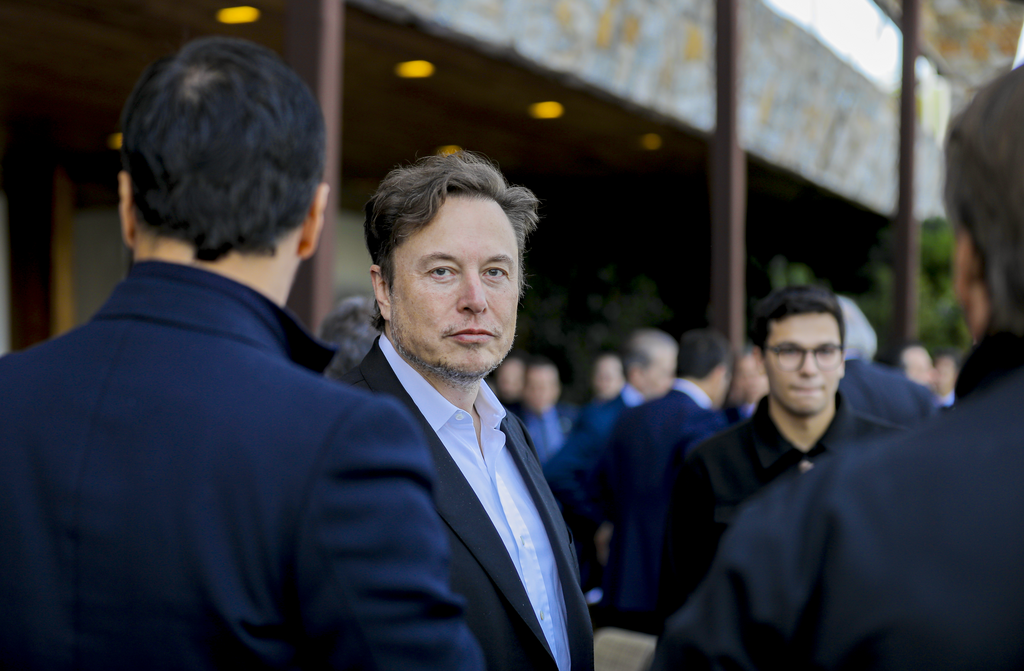
Tesla CEO Elon Musk outlined an ambitious roadmap for artificial intelligence, humanoid robotics, autonomous driving, space exploration, and renewable energy during a high-profile conversation with BlackRock CEO Larry Fink at the World Economic Forum in Davos. His remarks offered insight into how Tesla and SpaceX aim to reshape the future of technology and civilization.
Musk revealed that Tesla plans to begin selling its humanoid robot, Optimus, to the public by the end of next year, provided the company is fully confident in its safety and reliability. He noted that Optimus robots are already performing basic tasks in Tesla factories, with more advanced capabilities expected by the end of this year. These developments position Tesla as a key player in the emerging humanoid robot market.
On autonomous driving, Musk claimed that self-driving technology is “essentially a solved problem.” Tesla’s Full Self-Driving (FSD) software is updated frequently, sometimes on a weekly basis, to improve performance and safety. According to Musk, some insurance companies are offering up to 50% lower premiums to drivers using Tesla’s FSD technology due to its safety record. Tesla has already rolled out robotaxi services in several cities and expects widespread deployment across the United States by the end of this year. Regulatory approval for supervised full self-driving in Europe could arrive as early as next month.
Turning to space exploration, Musk highlighted SpaceX’s progress with Starship, the largest flying machine ever built. He said SpaceX aims to achieve full rocket reusability this year, a milestone that could reduce the cost of space access by a factor of 100, potentially bringing launch costs below $100 per pound. Musk also discussed plans to deploy solar-powered AI satellites within the next few years, arguing that space-based solar energy is far more efficient due to constant sunlight and lack of atmospheric interference.
On energy production, Musk stated that a 100-mile by 100-mile solar panel grid could power the entire United States. Both Tesla and SpaceX are independently working toward building manufacturing capacity for 100 gigawatts of solar power annually within about three years. Looking ahead, Musk predicted that AI could surpass human intelligence by the end of this year or no later than next year, reinforcing his broader mission of ensuring a thriving future for civilization and extending human consciousness beyond Earth.