


 Yemen Fighting Threatens Red Sea Oil Routes
  Why a ‘rip-off’ degree might be worth the money after all – research study
  6 simple questions to tell if a ‘finfluencer’ is more flash than cash
  Debate over H-1B visas shines spotlight on US tech worker shortages
  Vietnam, U.S. Firms Plan 29 Deals Across Energy, Tech and Aviation
  Holtec Nuclear Postpones $900 Million U.S. IPO
  Syngenta Files for Hong Kong IPO, Eyes $5 Billion Raise
  SoftBank Shares Jump 8% as SB Energy IPO Optimism Builds
  US Confirms Weapons in Orbit as Space Tensions Rise
  SK Hynix, Intel Discuss U.S. Memory Chip Production Deal
  MediaTek Unveils 2nm Dimensity 9600 Pro AI Chip
  ICE Agent Arrested in Minneapolis Over Venezuelan Man Shooting
  SoftBank Shares Plunge 11% After OpenAI Rules Out 2026 IPO
  Hyundai CEO Warns Chinese Automakers Could Disrupt US Market
  Australia Tightens Student Visa Rules, Targets Migration Cut by 2028
  The American mass exodus to Canada amid Trump 2.0 has yet to materialize


 Add as a preferred source on Google
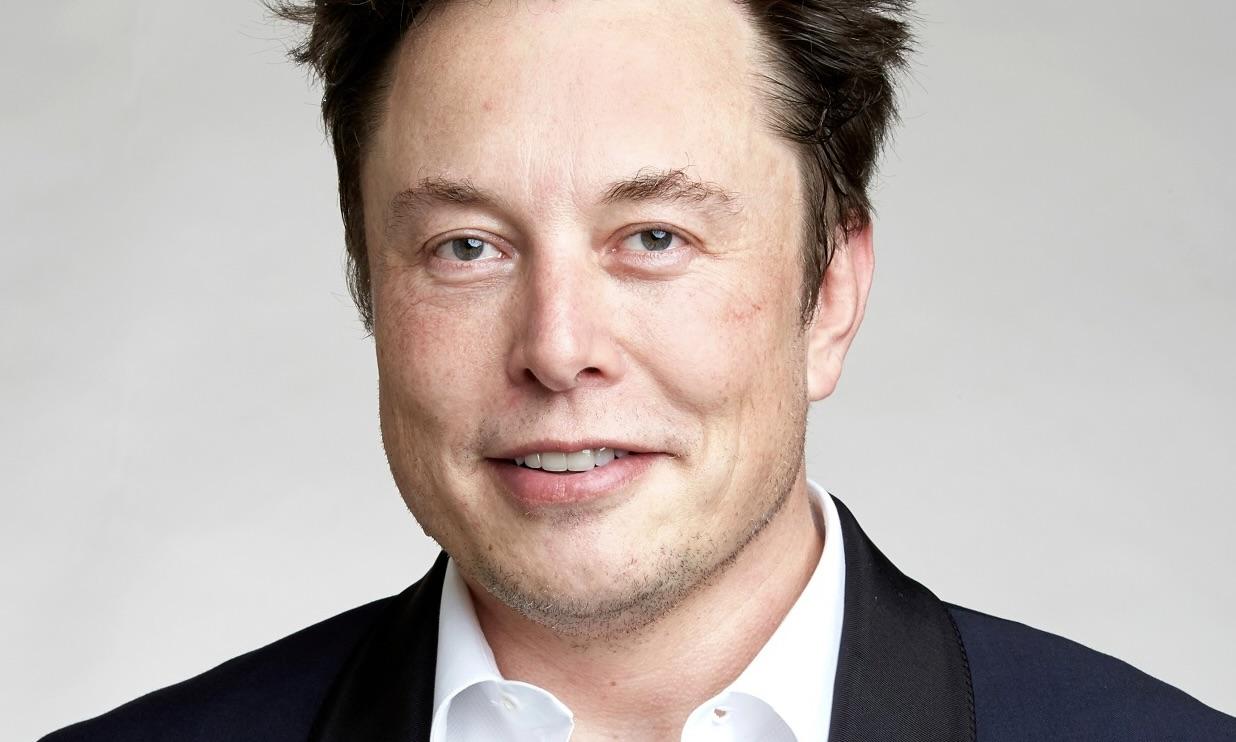
Elon Musk, CEO of Tesla and X (formerly Twitter), has stirred debate once again by criticizing mainstream media. Citing recent data, Musk asserted that only 3% of journalists identify as Republican, calling it "borderline illegal" for Republicans to operate in contemporary newsrooms. His statement has ignited intense reactions, as the statistics reveal growing political homogeneity in the industry and a striking decline in public trust in mass media.
Journalism and Partisan Affiliation Trends
The chart Musk referenced indicates a significant shift in journalists' political affiliations over the past five decades. In 1971, the political diversity in newsrooms included a relatively balanced distribution: 35.5% Democrat, 25.7% Republican, and 32.5% Independent. However, by 2022, Democrats constituted 36.4% of all journalists, while Republicans accounted for only 3.4%. Independents saw the largest share at 51.7%.
This growing disparity has led some critics to question whether journalism as an institution remains impartial. Observers argue that the industry’s ideological leaning may exacerbate existing biases, further alienating readers who hold different perspectives.
Trust in Media Hits Rock Bottom
Musk’s statement also coincides with a dramatic erosion of trust in the mass media. A Gallup poll tracking public confidence in news outlets from 1972 to 2022 underscores a striking partisan divide. In 1972, trust among Republicans, Democrats, and Independents hovered above 60%. Over time, Republicans’ trust plummeted to a mere 14% in 2022, compared to 70% among Democrats and 27% among Independents.
Experts suggest that this trend reflects the growing polarization in the United States, where media outlets are often viewed as catering to specific political ideologies. Musk’s critique aligns with broader concerns about the role of the press in shaping public discourse and the perceived sidelining of conservative voices.
Social Media Explodes with Reactions
Musk’s post on X has sparked fiery debates across the platform. Twitter user @MediaReformNow responded, “Musk raises a fair point. Journalism needs diversity of thought, or it risks becoming an echo chamber.” On the other hand, @ProtectPressFreedom pushed back, saying, “Accusing newsrooms of illegality without evidence is irresponsible and undermines press freedom.”
Another user, @BalancedNews2024, noted, “While ideological homogeneity is concerning, attacking journalists is not the solution. We need constructive reforms, not blame.” Similarly, @RightToKnow argued, “The real issue here is ensuring that newsrooms represent all Americans, not just one political faction.”
In contrast, @LiberalMediaWatch dismissed Musk’s claims, stating, “Musk is clearly pandering to the right-wing crowd. These stats don’t justify his extreme rhetoric.” Meanwhile, @DataDrivenJournalism suggested, “The focus should be on rebuilding public trust through transparency, not on politicizing the issue further.”
What’s Next for Media Accountability?
The debate reignited by Musk highlights the challenges journalism faces in an era of political polarization and diminishing public confidence. As the media industry evolves, experts call for a renewed commitment to ethical standards, transparency, and efforts to diversify newsroom perspectives.
While Musk’s comments have amplified the issue, the broader challenge remains: restoring trust in journalism as a vital democratic institution. Whether through structural reforms or a return to objective reporting, the future of media accountability is at a crossroads.







