


 Intel Reaffirms Role in Elon Musk’s Terafab Chip Project
  Solidigm Taps Goldman, Morgan Stanley for $10 Billion US IPO
  SpaceX Seeks $40 Billion for Nvidia AI Chips
  Oracle Uses Trucked Natural Gas to Power AI Data Centers Amid Pipeline Delays
  OpenAI Annualized Revenue Hits $50 Billion, Below Earlier Estimates
  Apple Names Steve Smith M&A Chief in Leadership Shakeup
  Florida Seeks Tougher Meta Rules to Protect Young Users
  Samsung Q3 Profit Hits Record High on AI Memory Demand
  Trump Buys Up to $25M in Meta Stock, Invests in SpaceX Debt
  US Suspends Microsoft, Adobe From Green Card Program
  Europol Warns Bitcoin Wallets Face Quantum Computing Risk
  Zcash Plans Quantum-Resistant Security Upgrade for January
  Anthropic Launches Claude Dashboards and Motion AI Tools
  Micron Shares Rise 4% Despite Taiwan Strike Risk
  TSMC Q3 Revenue Beats Estimates as AI Chip Demand Surges
  Zcash Privacy Demand Rises as AI Exposes Bitcoin Transactions


 Add as a preferred source on Google
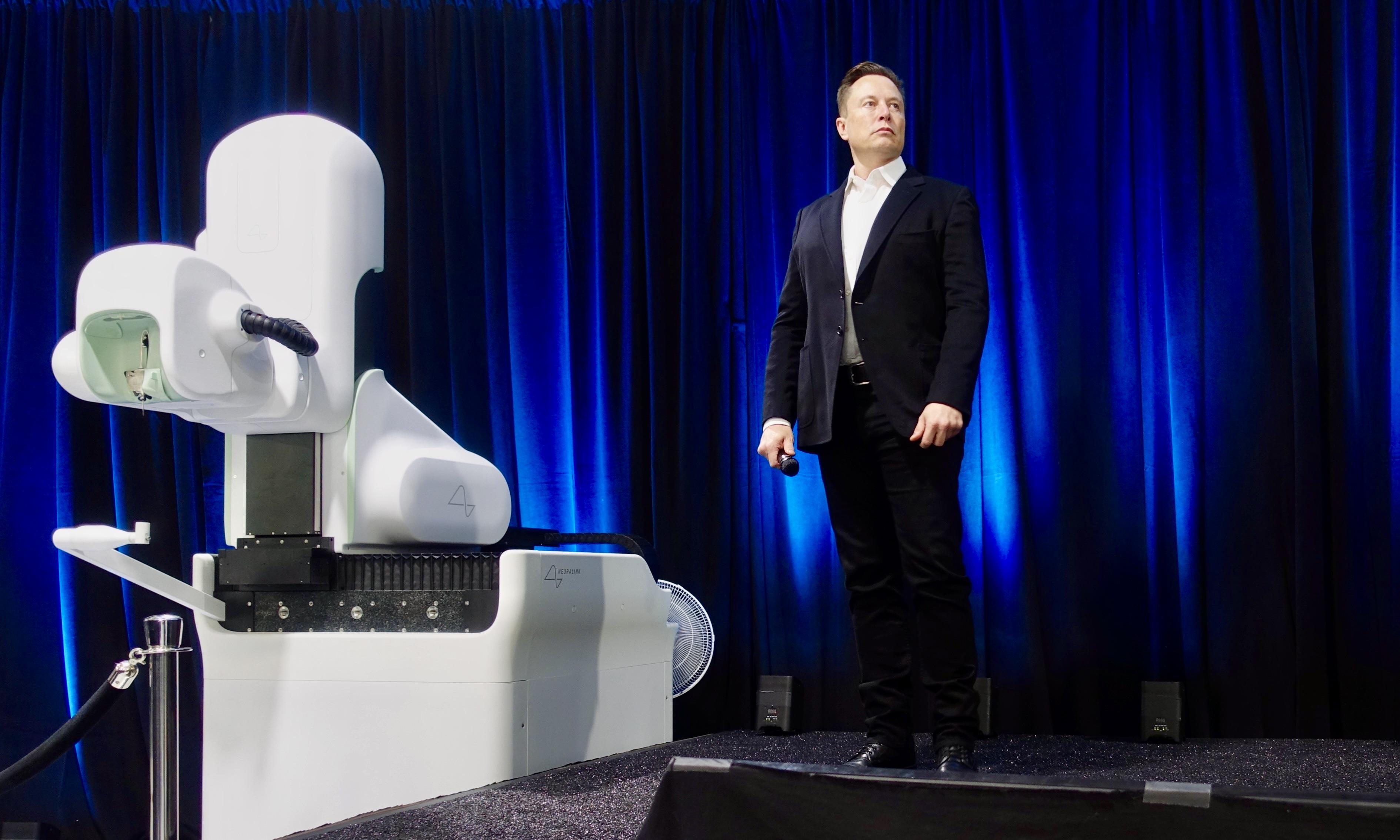
Elon Musk's neurotech business Neuralink implanted its gadget in a person for the first time on Sunday, and the patient is "recovering well," the billionaire said on X, formerly known as Twitter, on Monday.
Elon Musk's Neuralink Implants Brain Technology in Human Patients for the First Time
The business is creating a brain implant that will allow people with severe paralysis to operate external technology using just neural inputs. As per CNBC, Neuralink began enrolling patients for its first-in-human clinical study in the autumn after permission from the United States.
As per a blog post, the Food and Drug Administration planned to undertake the research in May. According to an X post, Musk announced on Monday that Neuralink's first product will be named Telepathy.
If the technology works successfully, individuals with severe degenerative diseases such as ALS might one day utilize the implant to communicate or access social media by manipulating cursors and typing with their brains.
Musk wrote, "Imagine if Stephen Hawking could communicate faster than a speed typist or auctioneer. That is the goal. "
The in-human clinical study is just one step on Neuralink's journey to commercialization. Medical device businesses must undergo multiple stages of rigorous data safety collection and testing before receiving ultimate FDA clearance. Neuralink does not specify how many human patients will participate in its first-in-human experiment.
Exploring the Frontier: Neuralink Leads in the Brain-Computer Interface Revolution
Neuralink, as part of the burgeoning brain-computer interface, or BCI, business, is likely the best-known firm in the area due to Musk's high profile as CEO of Tesla and SpaceX. A BCI is a device that deciphers brain impulses and converts them into commands for external technology. Numerous businesses, including Synchron, Precision Neuroscience, Paradromics, and Blackrock Neurotech, have developed systems with similar capabilities.
Paradromics plans to begin its first trial with human patients in the first part of this year. Precision Neuroscience completed its first-in-human clinical research last year. In 2021, a patient who got Synchron's BCI utilized it to tweet from CEO Tom Oxley's Twitter account.







