


 Elon Musk Eyes Semiconductor Manufacturing Expansion With $15 Billion Terrafab Project
  Oracle Uses Trucked Natural Gas to Power AI Data Centers Amid Pipeline Delays
  How to create a thriving forest, not box-checking ‘tree cover’
  Asian Currencies Steady as Dollar Eyes Fourth Weekly Gain
  Rise of the Zombie Bugs takes readers on a jaw-dropping tour of the parasite world
  Trump Secures Russian Diesel Deal as US Fuel Prices Surge
  US Suspends Microsoft, Adobe From Green Card Program
  Morgan Stanley Raises Coinbase Stock Price Target to $258 Ahead of Earnings
  Apple Supplier Luxshare Sees Limited Impact From US Patent Probe
  We combed through old botanical surveys to track how plants on Australia’s islands are changing
  Extreme heat, flooding, wildfires – Colorado’s formerly incarcerated people on the hazards they faced behind bars
  Bangladesh GDP Growth Accelerates to 4.6% on Industrial Rebound
  Oil Prices Rise as Gulf Hurricane and Middle East Supply Risks Mount
  Anthropic Launches Claude Dashboards and Motion AI Tools
  Starbucks Explores Chipotle Acquisition as Shares Swing
  XRP Ledger Activates New Security Feature for Banks and Stablecoins


 Add as a preferred source on Google
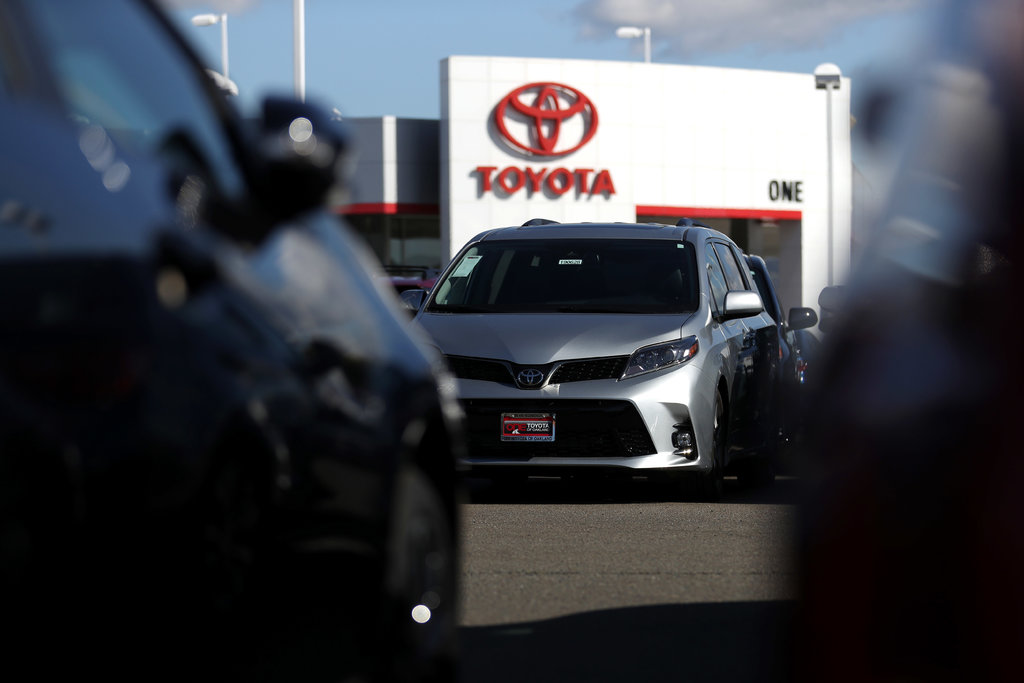
The world's top-selling carmaker Toyota and US-European firm Stellantis ranked last among Greenpeace's list of 10 auto firms in terms of carbon emission efforts, published Thursday during the COP26 climate summit.
Greenpeace gave Toyota and Stellantis "F minus minus" grades for decarbonization efforts, including phasing out engines that burn fossil fuels.
The factors examined in the report were minimizing carbon emissions in the supply chain and reusing or developing greener technology for car batteries.
General Motors got the least damning C- grade, followed by Volkswagen's D and Renault D-.
All others, including Ford, Honda, and Hyundai-Kia, were given F plus or minus.
Ada Kong, senior project manager of Greenpeace East Asia's auto industry campaign, described Japan's Toyota as the "most stubborn" in holding onto internal combustion engines.
Kong added that Toyota is also "most vocal in such advocacy, domestically and abroad."
Toyota said in September that it would invest 1.5 trillion yen in batteries for electric and hybrid cars by 2030.
The report said that some Japanese companies, such as Toyota, consider hybrid technology an effective alternative to the internal combustion engine, but not as good as expected. It noted that plug-in hybrids only reduce emissions by around one-third, compared with petrol or diesel cars.
Greenpeace said that since none of the 10 auto firms had announced plans to phase out combustion engines before 2035, the 1.5-degree goal is "almost impossible".
The assessment came as world leaders met in Glasgow this week as part of the COP26 climate conference.







