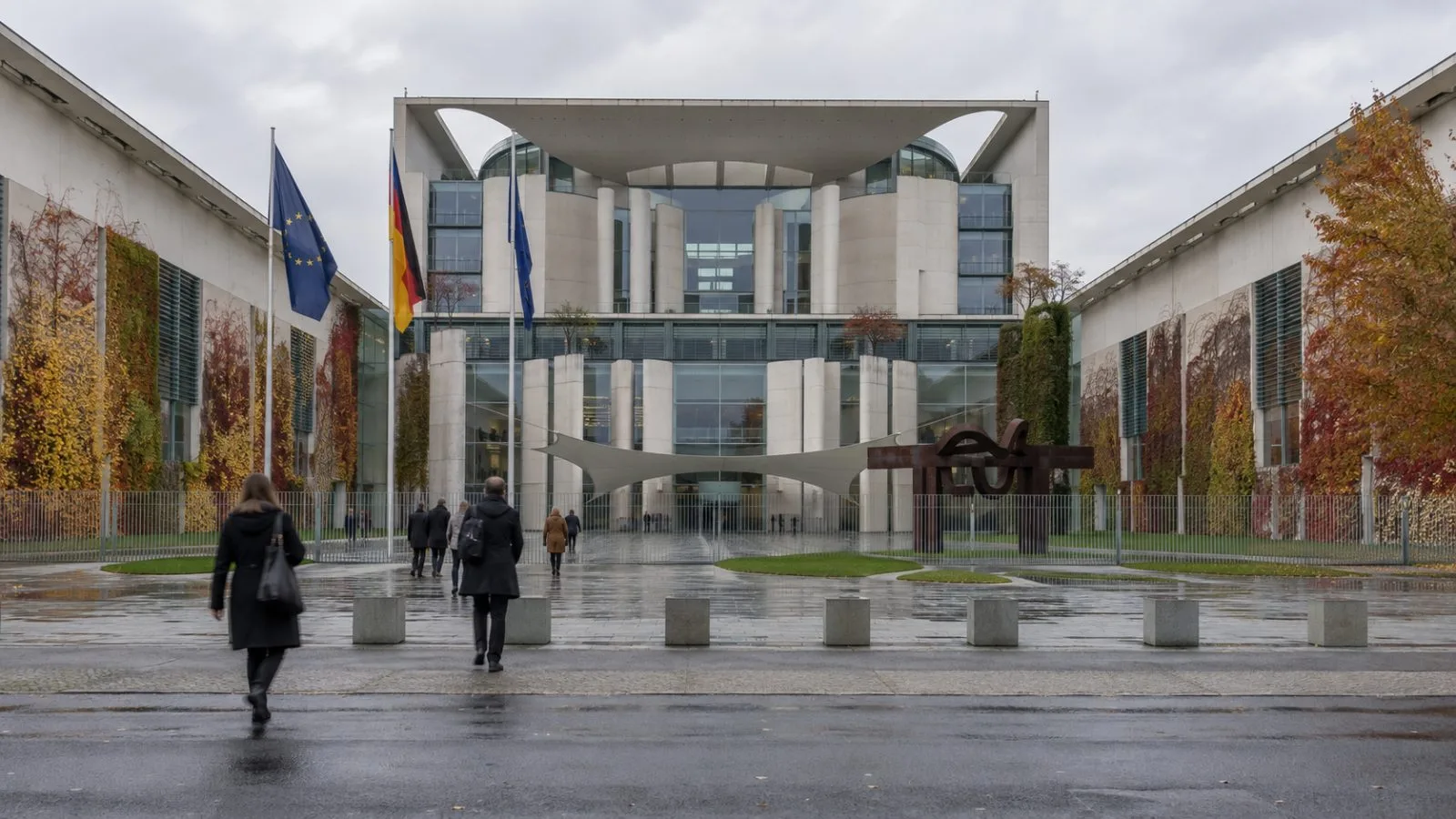
European leaders have agreed that any decisions regarding potential Ukrainian territorial concessions to Russia can only be considered once strong and credible security guarantees are firmly in place, according to a joint statement released on Monday. The declaration followed a high-level meeting in Berlin involving 10 European heads of government alongside European Commission President Ursula von der Leyen, aimed at supporting ongoing peace negotiations between the United States and Ukraine to end the most devastating conflict in Europe since World War Two.
The leaders emphasized that Ukraine’s sovereignty and security remain central to any future settlement. They underlined that decisions on territory must ultimately be made by the Ukrainian people, and only after comprehensive security arrangements are operational. This position comes amid intensified diplomatic efforts to find a path toward ending the nearly four-year-old war with Russia.
As part of the proposed security framework, European leaders stressed that Ukraine should be allowed to maintain a strong national defense force of approximately 800,000 personnel. Such a force, they said, would be essential to deterring future aggression and ensuring long-term stability in the region. The statement also outlined plans for Europe to coordinate a European-led multinational force for Ukraine, composed of contributions from willing countries and supported by the United States.
This multinational force would play a broad role, including helping to rebuild and modernize Ukraine’s military, assisting in securing Ukrainian airspace, and supporting maritime safety, potentially through operations conducted inside Ukraine. Leaders highlighted that these measures are designed to prevent renewed conflict and reinforce Ukraine’s ability to defend itself.
In addition, the security guarantees would include a U.S.-led ceasefire monitoring mechanism. This system would be tasked with providing early warnings of any future attacks and responding to violations of a potential ceasefire agreement, adding another layer of deterrence.
The European statement contrasted with comments from U.S. negotiators, who separately told Ukrainian officials that any deal to end the war would require Ukraine to withdraw forces from the eastern Donetsk region. The differing positions underscore the complexity of the negotiations and the challenges facing diplomats as they seek a durable and just peace for Ukraine.