


 FCC Steps Up China Tech Crackdown as Beijing Pushes Back
  U.S. Probes Apex Logistics Over Nvidia AI Chip Shipments to China
  US-Backed Pediatric HIV Treatment Drops After Foreign Aid Changes, Study Finds
  AstraZeneca Q2 Earnings Beat Forecasts as Oncology Growth Supports 2026 Outlook
  Guatemala Receives 2,300 Mexicans Deported From US
  SK Biopharmaceuticals Secures Global Rights to Biohaven Epilepsy Drug Opakalim
  White House Seeks $1.4 Billion to Combat Growing Ebola Outbreak
  Texas Republicans Turn Against AI Data Centers as Election Backlash Grows
  RFK Jr. Orders Extended Hantavirus Quarantine for Cruise Passenger
  SEC Proposes ‘Regulation Crypto Assets’ Framework for Crypto Fundraising
  Iran Allows Iraqi Oil Tankers Through Strait of Hormuz
  FAA to Pause Reagan National Airport Flights for Freedom 250 IndyCar Race
  U.S. Issues Cuba Health Alert as Illnesses Rise
  Trump Imposes New Tariffs on Drone Imports Over US Security Concerns
  SEC Sues Former Tricolor Executives Over $1.9 Billion Investor Fraud Scheme
  Alcohol is one of the most dangerous drugs, yet its presence is ubiquitous in social settings and celebrations
  3 clinical-grade skincare creams you really shouldn’t buy online


 Add as a preferred source on Google
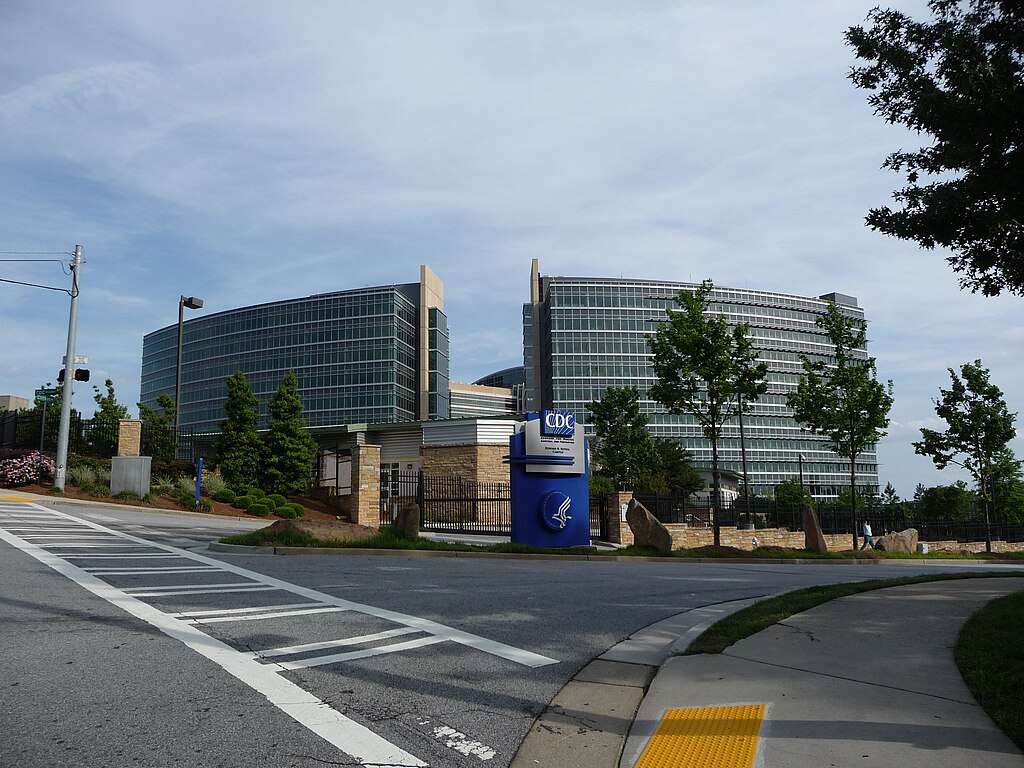
The U.S. Centers for Disease Control and Prevention (CDC) is increasing its emergency response efforts as the Ebola outbreak in the Democratic Republic of the Congo and Uganda continues to worsen. According to an internal email obtained by Reuters, the agency has asked employees to volunteer for urgent deployment to assist with Ebola screening operations at U.S. entry points.
CDC Acting Director Jay Bhattacharya stated that the agency activated a Level 2 emergency response on May 18 following the spread of the Bundibugyo strain of the Ebola virus. The move reflects growing concern over the outbreak, which the World Health Organization (WHO) has labeled the third-largest Bundibugyo Ebola outbreak ever recorded.
As part of the enhanced response, the CDC is expanding recruitment beyond its traditional emergency response teams. Additional staff, including public health advisers, emergency specialists, and licensed medical providers, are being encouraged to participate with supervisor approval.
The screening operations are already active at several U.S. port health stations. Volunteers may be responsible for monitoring international travelers for Ebola symptoms, conducting temperature checks, and referring suspected cases for further medical evaluation.
The Bundibugyo strain of Ebola is a rare but highly dangerous virus spread through direct contact with infected bodily fluids. Ebola symptoms can include fever, fatigue, vomiting, bleeding, and severe weakness. Health experts warn that rapid identification and containment are critical to preventing wider transmission.
WHO Director-General Tedros Adhanom Ghebreyesus recently warned that the fast-moving outbreak is outpacing current response efforts in Africa. The latest reports indicate that at least 220 suspected deaths have been linked to the outbreak in Congo and Uganda.
The CDC’s expanded airport screening measures highlight growing international concern over the Ebola crisis and the need to strengthen global public health preparedness in 2026.







