


 UNAIDS Urges U.S. to Reconsider South Africa HIV Funding Withdrawal
  Should I take zinc or eat oysters to ward off colds, boost my immune system or improve fertility?
  Spire Healthcare Shares Jump on £1.03 Billion Takeover Deal
  SpaceX Turbine Push Unlikely to Threaten Howmet, Bernstein Says
  France Keeps Top Health Alert as Officials Brace for Another Heatwave
  Fast Retailing Shares Drop as Uniqlo Japan August Sales Fall
  Trump Administration Bars U.S. Travelers From Congo Flights Amid Ebola Outbreak
  SEC Sues Former Tricolor Executives Over $1.9 Billion Investor Fraud Scheme
  Google Changes EU Spam Policy Amid Antitrust Scrutiny
  U.S. Probes Apex Logistics Over Nvidia AI Chip Shipments to China
  Iran Allows Iraqi Oil Tankers Through Strait of Hormuz
  US-Backed Pediatric HIV Treatment Drops After Foreign Aid Changes, Study Finds
  Huawei Launches Mate XT2 Foldable Phone in China
  Thomson Reuters C-Track Cyberattack Hits Courts Across U.S. and Canada
  New Zealand Moves to Ban Social Media for Children Under 16
  Venezuela Earthquake Health Risks Rise as Disease Monitoring Intensifies
  Nvidia Eyes $2.5 Billion Investment in Thinking Machines Lab


 Add as a preferred source on Google
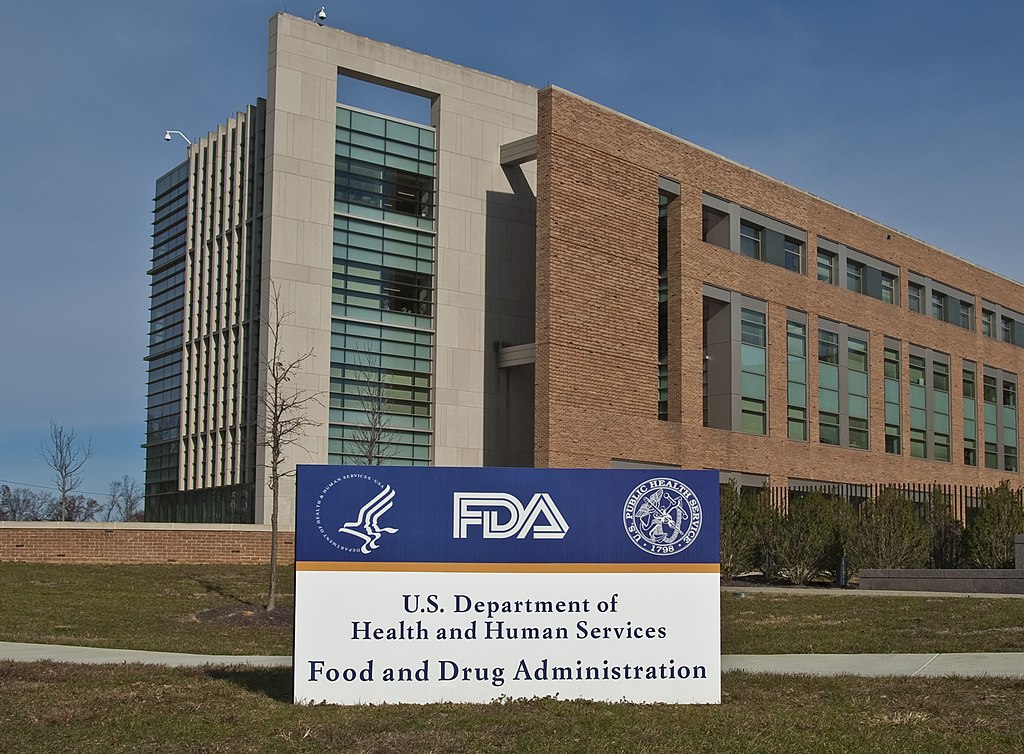
Agios Pharmaceuticals has announced a major regulatory milestone with the U.S. Food and Drug Administration approving mitapivat for the treatment of anemia in adults with alpha- or beta-thalassemia. The approval represents a significant advancement for patients living with these inherited blood disorders, many of whom face lifelong complications related to chronic anemia and frequent blood transfusions.
Mitapivat, an oral therapy developed by Agios, is designed to address the underlying metabolic pathways involved in red blood cell function. The FDA’s decision was supported by strong data from Phase 3 clinical trials, which demonstrated that the treatment significantly improved hemoglobin levels in adult patients with alpha- or beta-thalassemia. In addition to increasing hemoglobin, the trials showed a meaningful reduction in transfusion burden, an outcome that could greatly improve quality of life for patients who currently depend on regular transfusions.
According to the company, mitapivat is expected to become available to eligible patients in late January 2026. This timeline reflects the need to implement a Risk Evaluation and Mitigation Strategy (REMS) program, a requirement set by the FDA to ensure the safe use of the medication. REMS programs are typically mandated when specific safety risks need to be carefully managed through monitoring, education, or controlled distribution.
While the overall clinical trial results were positive, Agios also disclosed safety findings observed during development. Five patients participating in the trials experienced adverse reactions that suggested hepatocellular injury. These cases were closely evaluated and factored into the FDA’s benefit-risk assessment, ultimately leading to the approval with additional safety oversight through the REMS program.
The FDA approval of mitapivat marks an important step forward in the treatment landscape for thalassemia-related anemia. As the first therapy of its kind approved for both alpha- and beta-thalassemia in adults, mitapivat offers new hope for reducing disease burden and improving long-term outcomes. With its upcoming launch and safety measures in place, the therapy is poised to play a key role in addressing unmet needs within the thalassemia community.







