


 FDA Investigates New Cyclospora Outbreak as U.S. Cases Continue to Rise
  Brazil Warns EU of Retaliation Over Animal Products Ban
  Moderna Wins FDA Approval for mFLUSIVA mRNA Flu Vaccine for Adults 50+
  Trump Orders U.S. Navy to Return to Steam Catapults for Aircraft Carriers
  Trump Signs Order to Cut Routine Childhood Vaccines
  SEC Probes Banks Over Situational Awareness Hedge Fund Collapse
  FAA to Pause Reagan National Airport Flights for Freedom 250 IndyCar Race
  Trump Targets 1,000 U.S. Space Launches Annually by 2030
  Hims & Hers Shares Fall as GLP-1 Costs Widen Q2 Loss
  Trump Administration Bars U.S. Travelers From Congo Flights Amid Ebola Outbreak
  Countries Tighten Social Media Bans for Children
  The government is ‘doubling down’ on its social media ban. But bigger penalties for platforms aren’t enough
  AstraZeneca Q2 Earnings Beat Forecasts as Oncology Growth Supports 2026 Outlook
  Trump Grants Clemency to Jay-Z Associate Emory Jones
  New Zealand Labour Backs Social Media Ban for Under-16s
  UNAIDS Urges U.S. to Reconsider South Africa HIV Funding Withdrawal
  Should I take zinc or eat oysters to ward off colds, boost my immune system or improve fertility?


 Add as a preferred source on Google
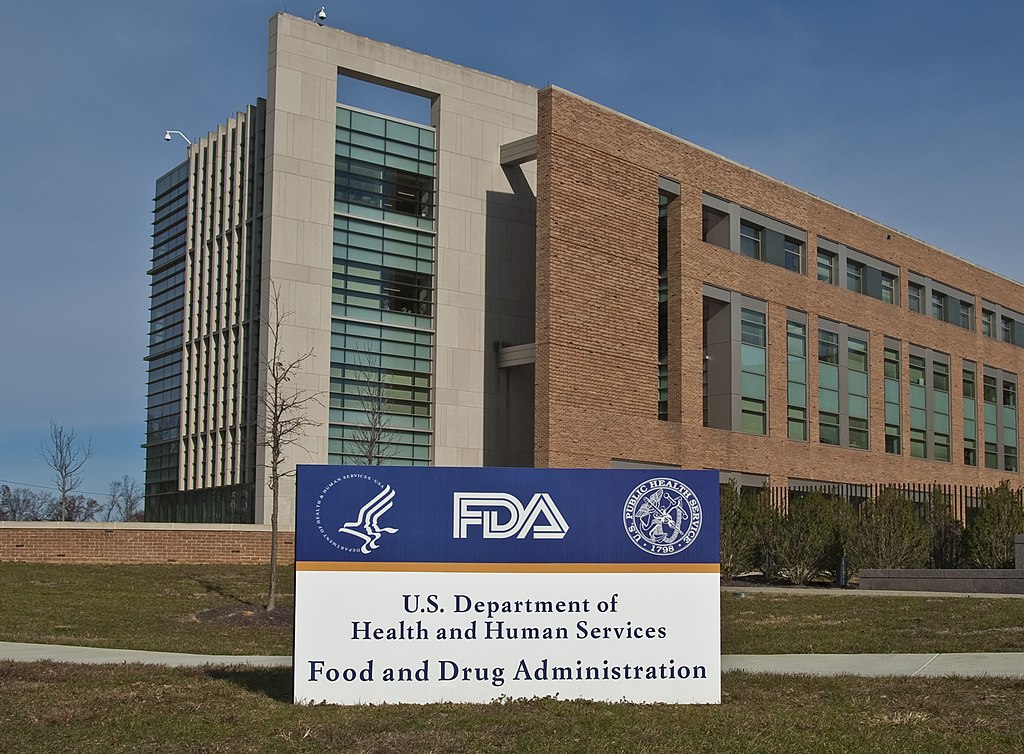
The U.S. Food and Drug Administration has delayed reviews of several drugs selected for the Trump administration’s new fast-track approval initiative after internal reviewers raised concerns about safety, efficacy, and adverse events, according to internal documents reviewed by Reuters. The program, designed to accelerate decisions on select medicines deemed vital to public health or national security, aims to shorten review times to one or two months. However, recent delays highlight that regulatory scrutiny remains rigorous.
Among the affected drugs is Disc Medicine’s experimental treatment bitopertin, developed for a rare blood disorder that causes extreme sensitivity to sunlight. FDA reviewers postponed the decision by two weeks after questioning the robustness of clinical trial data, particularly whether “pain-free time in the sun” was a statistically reliable measure of efficacy. Regulators also examined whether the drug could pose a risk for abuse or addiction, which could potentially lead to restrictions. Disc Medicine stated it remains confident in the drug’s safety profile and clinical benefits.
The FDA also delayed its review of Sanofi’s Tzield, a drug intended for late-stage type 1 diabetes, by more than a month. The delay followed reports of serious adverse events, including seizures, blood clotting issues, and the death of a patient. While Sanofi said no causal relationship has been established between Tzield and the reported death, the FDA requested additional safety data before proceeding. The agency has not publicly disclosed details of the fatality.
Two other drugs in the fast-track program have also seen extended timelines. Boehringer Ingelheim’s lung cancer drug zongertinib is now expected to receive a decision in mid-February, while Eli Lilly’s weight-loss pill is projected for review completion in April. Only one drug, a generic antibiotic, has been approved under the program so far.
Regulatory experts say the delays are reassuring, noting that the accelerated process raised concerns about potential politicization and reduced rigor. The FDA emphasized that review timelines can be adjusted to ensure thorough evaluation, underscoring that patient safety and drug effectiveness remain top priorities despite the push for faster approvals.







