


 Iran Plans New Gulf Restricted Zone as Hormuz Tensions Push Oil Higher
  Guatemala Receives 2,300 Mexicans Deported From US
  US Tightens Cuba Sanctions, Targets Officials and State Entities
  Asian Stocks Rally as AI Optimism Fuels Chipmaker Surge
  USS Abraham Lincoln Leaves Thailand After Five-Day Port Visit
  UK House Prices Fall for First Time Since 2023
  Iran Threatens Gulf Energy Assets as U.S. Tensions Escalate
  Sara Duterte Posts Bail Over Grave Threats Case
  Australia Plans New Rules Giving Users Control Over Social Media Feeds
  Gold Prices Rise as Yen Rally Weakens Dollar
  Trump Imposes New Tariffs on Drone Imports Over US Security Concerns
  New Zealand Moves to Ban Social Media for Children Under 16
  Merz Rejects AfD Alliance After Saxony-Anhalt Surge
  New Zealand Labour Backs Social Media Ban for Under-16s
  Japan GDP Growth Beats Forecast, Boosting BOJ Rate Hike Bets
  Trump Peace Envoys Meet Zelenskiy in Kyiv After Putin Talks
  Trump Administration Pauses Visa Appointments Worldwide


 Add as a preferred source on Google
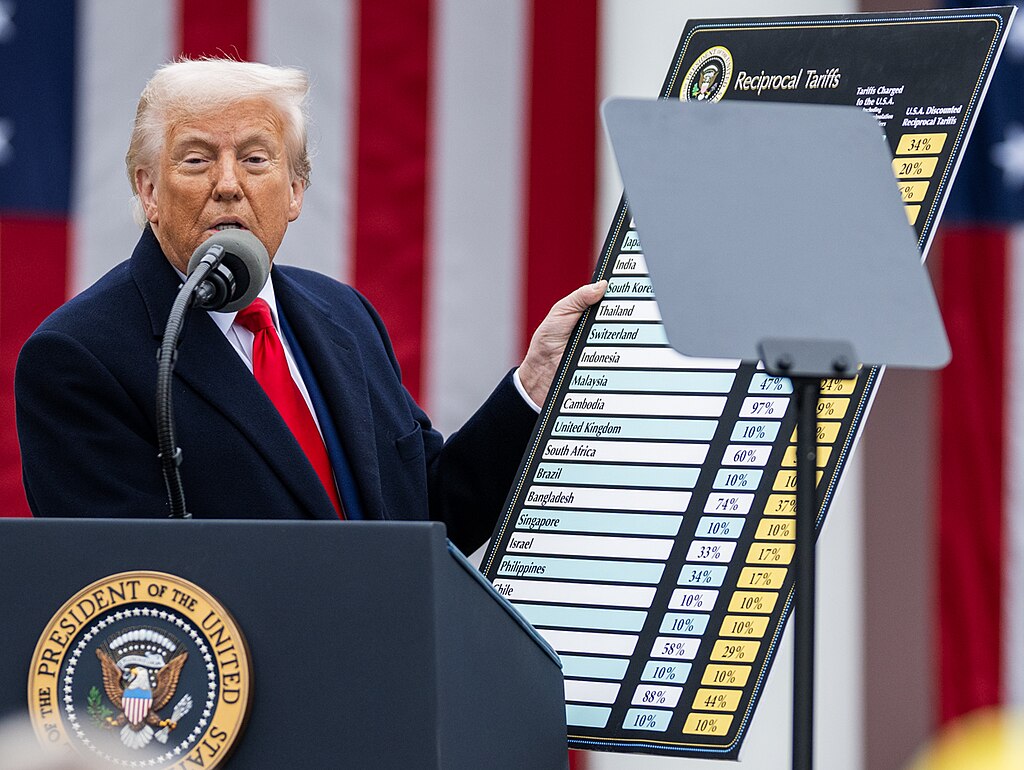
U.S. President Donald Trump announced plans to raise a temporary tariff on imports from all countries to 15%, up from 10%, following a Supreme Court decision that struck down a significant portion of his earlier trade tariffs. The new import duties will be imposed under Section 122 of U.S. trade law, a separate and largely untested legal authority. The move signals a renewed escalation in U.S. trade policy and could have wide-ranging implications for global markets, international trade agreements, and business stability.
U.S. Trade Representative Jamieson Greer said that none of the countries that previously reached trade agreements with Washington have indicated plans to withdraw following the Supreme Court ruling. His comments suggest that, despite legal uncertainty surrounding the tariffs, existing trade deals remain intact for now.
China’s Commerce Ministry responded by saying it is conducting a “full assessment” of the Supreme Court’s decision. Beijing urged the United States to remove what it called “unilateral tariff measures” affecting its trading partners. In an official statement, the ministry argued that U.S. tariffs violate international trade rules as well as domestic U.S. law, and warned that China would closely monitor developments while firmly safeguarding its economic interests.
The European Commission also reacted, calling on the United States to honor the terms of last year’s EU-U.S. trade deal. Officials stressed that the current situation undermines efforts to maintain “fair, balanced, and mutually beneficial” transatlantic trade and investment, emphasizing that agreed commitments must be respected.
European Central Bank President Christine Lagarde cautioned that renewed disruptions in U.S. trade policy could unsettle businesses and financial markets. She expressed hope that any new tariff measures would be clearly defined and legally sound to avoid further uncertainty.
Meanwhile, Switzerland’s State Secretariat for Economic Affairs indicated that U.S. tariffs may become a long-term reality, as the U.S. administration remains focused on reducing the trade deficit, increasing reciprocity, and boosting domestic production.







