


 US-China Experts Push AI Nuclear Safeguards to Prevent Military Escalation
  France Urges Faster AI Push Despite Safety Risks
  Global Poll Shows Rising Trust in Institutions as US-China Leadership Support Falls
  Vietnam, U.S. Firms Plan 29 Deals Across Energy, Tech and Aviation
  New Zealand Labour Backs Social Media Ban for Under-16s
  Japan, U.S. Discuss $19 Billion GlobalFoundries Chip Plant
  Trump Administration Removes Confederate Memorial Criticism From Arlington Website
  Nvidia-Groq AI Chip Deal Faces U.S. Antitrust Probe
  South Korea’s Cho Hyun to Meet Rubio in Washington
  Australia Tightens Student Visa Rules, Targets Migration Cut by 2028
  Trump Eyes End to Iran War, Plans Gulf Leaders Meeting
  Trump Hopes Iran War Nears End as Yemen Fighting Escalates
  FDA Weighs Safety Standards for Psychedelic Therapies
  Yemen Fighting Threatens Red Sea Oil Routes
  US Allies Fear Trump Could Soften Taiwan Stance in Xi Talks
  Iran Economic Crisis Forces Afghan Families to Return Home
  Australia Defends Social Media Algorithm Law Amid US Concerns


 Add as a preferred source on Google
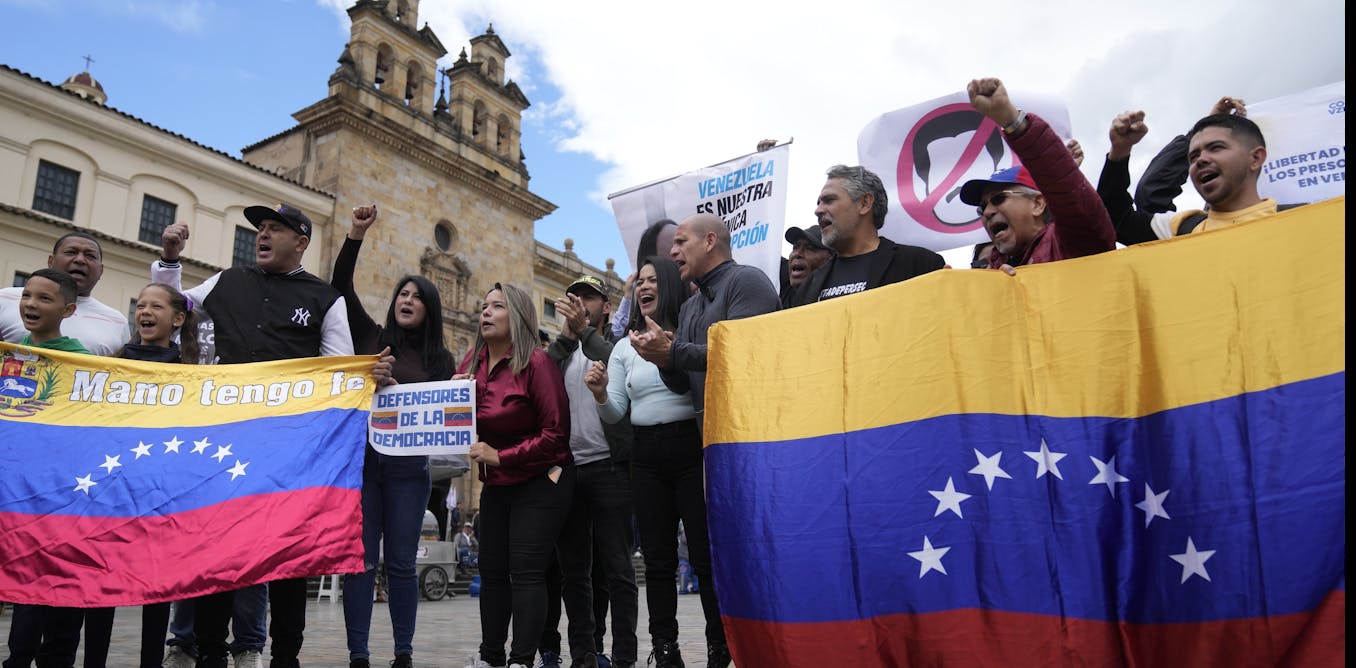
Nearly 2,200 people have been released from Venezuelan prisons following the implementation of a new amnesty law, according to lawmaker Jorge Arreaza. The measure, which officially came into effect on Friday, marks a significant development in Venezuela’s criminal justice and human rights landscape.
Arreaza, who serves as president of the commission established to oversee the rollout of the amnesty law, confirmed the figures on Monday. The commission is responsible for monitoring compliance, reviewing individual cases, and ensuring that the legal framework is properly applied across detention centers nationwide. Authorities expect the number of releases to continue rising as more cases are evaluated under the new legislation.
The Venezuela amnesty law aims to address concerns related to prison overcrowding, due process, and the detention of individuals under specific legal circumstances. Government officials have presented the initiative as part of broader justice system reforms intended to promote national reconciliation and institutional transparency. The release of nearly 2,200 detainees within days of the law taking effect highlights the speed at which authorities are moving to implement the policy.
Human rights observers and political analysts are closely watching how the amnesty process unfolds. Key questions remain about eligibility criteria, the categories of offenses covered, and the long-term impact on Venezuela’s prison population. Supporters argue the move could ease pressure on correctional facilities and foster dialogue, while critics are calling for detailed reporting and accountability throughout the process.
As the commission led by Jorge Arreaza continues its oversight work, further updates are expected regarding additional prisoner releases and the broader implications of the Venezuela amnesty law. The development signals a notable shift in the country’s legal and political environment, drawing both domestic and international attention.







