


 Gold Prices Fall Amid Rate Jitters; Copper Steady as China Stimulus Eyed
  Fed’s Williams Signals One More Rate Hike Before Year-End
  Trump Demands Powell Resign Over Fed Renovation Cost Overruns
  Australia Consumer Confidence Plunges as RBA Rate Hike Hits Households
  RBI Raises Repo Rate to 5.50% in Hawkish Shift on Inflation Risks


 Add as a preferred source on Google
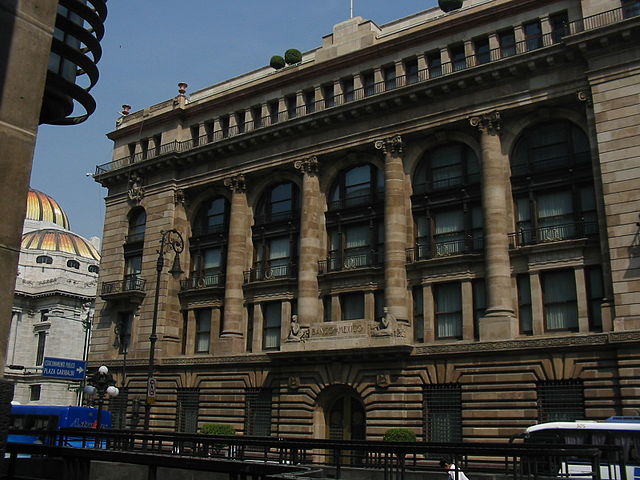
Bank of Mexico, which is widely known as Banxico followed footsteps of US Federal Reserve and hiked interest rate by 25 basis points. The move was widely expected but remains somehow controversial.
Inflation rate in Mexico has fallen from 4.09% in December 2014 to 2.21% by November 2015. So traditional way of monetary policy would be to reduce rates and provide support to the economy in time of hardship. Mexico, due to drop in oil price, its major export is suffering overall slowdown and deterioration of current account position.
Economic growth has recently picked up and currently is at 2.6%, at its historic average but much lower than 6% above growth it was experiencing back 2010/11. Current account has widen from just 0.3% in 2010 to -2.1% last year and has been record -9.5 billion in first quarter of 2015.
So in a time like this Banxico hiked rates?
According to bank of International Settlements (BIS) calculations at end of second quarter stands at $259 billion of which 66% are denominated in Dollar. Though FED has hiked rates only by 25 basis points, rise of Dollar against Peso (17% in last 12 months) is increasing the burden.
Moreover, with Fed hiking rates, yield differential might prompt exodus of Dollar from the system, so Banxico had little choice but to follow FED.
USD/MXN is currently trading at 17 per Dollar.







