


 Oil Prices Jump Nearly 3% as Iran Holds Firm on Hormuz Conditions
  Asian Currencies Weaken as Dollar, Oil Prices Rise
  U.S. Stock Futures Steady as AI, Rate Concerns Weigh
  Asian Stocks Fall as Bond Yields and Oil Prices Surge
  Asian Currencies Mixed as Yen Weakens, RBA Hike Looms
  Fed’s Williams Signals One More Rate Hike Before Year-End
  Japan Factory Output Unexpectedly Falls 1.7% in August
  BOJ Signals Faster Rate Hikes as Inflation Risks Grow
  Gold Prices Slip as High Treasury Yields Weigh on Bullion
  Dollar Eases Near Two-Month High as Yen Rebounds
  RBA Hikes Interest Rate to 4.60% as Inflation Risks Rise
  Nvidia China Chip Sales Report Sends Chinese Semiconductor Stocks Lower
  Global Central Banks Brace for More Rate Hikes as Inflation Risks Rise
  Australia Inflation Accelerates to 4% After RBA Rate Hike


 Add as a preferred source on Google
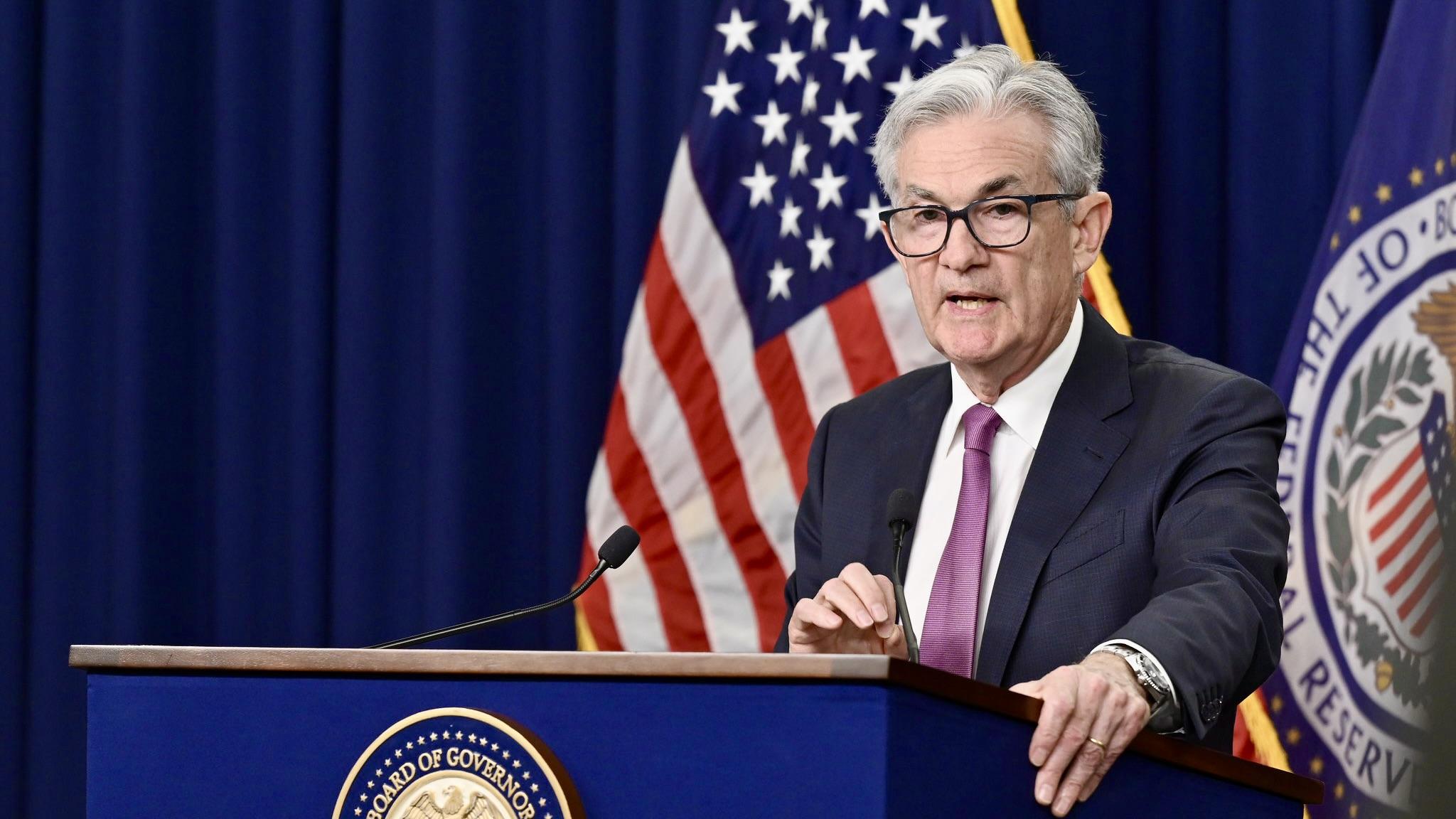
The Federal Reserve lowered interest rates for the first time since December, cutting its benchmark by a quarter point to 4.00%-4.25%. Chair Jerome Powell said the move reflects growing concerns about a weakening U.S. labor market, citing rising Black unemployment, shorter workweeks, and slower hiring. He emphasized balancing the Fed’s inflation target of 2% with its commitment to maximum employment, warning that further job losses could quickly accelerate unemployment.
Powell noted payroll growth has fallen below the break-even level needed to sustain stable joblessness. Younger and minority workers are being hit hardest by the downturn, a trend he said the Fed cannot ignore. Despite inflation projected at 3% this year, policymakers are prioritizing job security, signaling additional cuts at upcoming October and December meetings.
The rate cut was not without political drama. President Donald Trump, who has repeatedly pressured the Fed for deeper cuts, recently attempted to fire Governor Lisa Cook and succeeded in placing White House adviser Stephen Miran on the Fed board. Miran dissented, pushing for a half-point cut and forecasting steeper reductions to bring rates below 3%. However, Powell stressed independence, saying there was no broad support for such an aggressive move.
Markets reacted with initial gains before ending mixed, while Treasury yields and the dollar remained stable. Analysts see a strong chance of another cut in October. Powell reaffirmed the Fed’s meeting-by-meeting approach, leaving flexibility to adjust if inflation rises further.
Economic projections remain largely unchanged: inflation at 3%, unemployment at 4.5%, and GDP growth slightly higher at 1.6%. Despite political pressure, the Fed signaled it will keep moving toward a neutral rate path while weighing risks of both inflation and job losses.







