A federal judge in Washington signaled on Tuesday that he is unlikely to immediately stop construction of a proposed $300 million White House ballroom, dealing an early setback to preservation advocates challenging the project. The lawsuit targets the Trump administration over alleged abuses of presidential power and failure to follow legally required review processes.
U.S. District Judge Richard Leon, during a hearing, said the National Trust for Historic Preservation had not met the high legal standard required for a temporary restraining order. Specifically, the judge stated that the group failed to demonstrate “irreparable harm” that would justify halting work at this stage. However, Leon cautioned the federal government to restrict construction activities to below-ground work not tied to any finalized design, underscoring that the case remains active and unresolved.
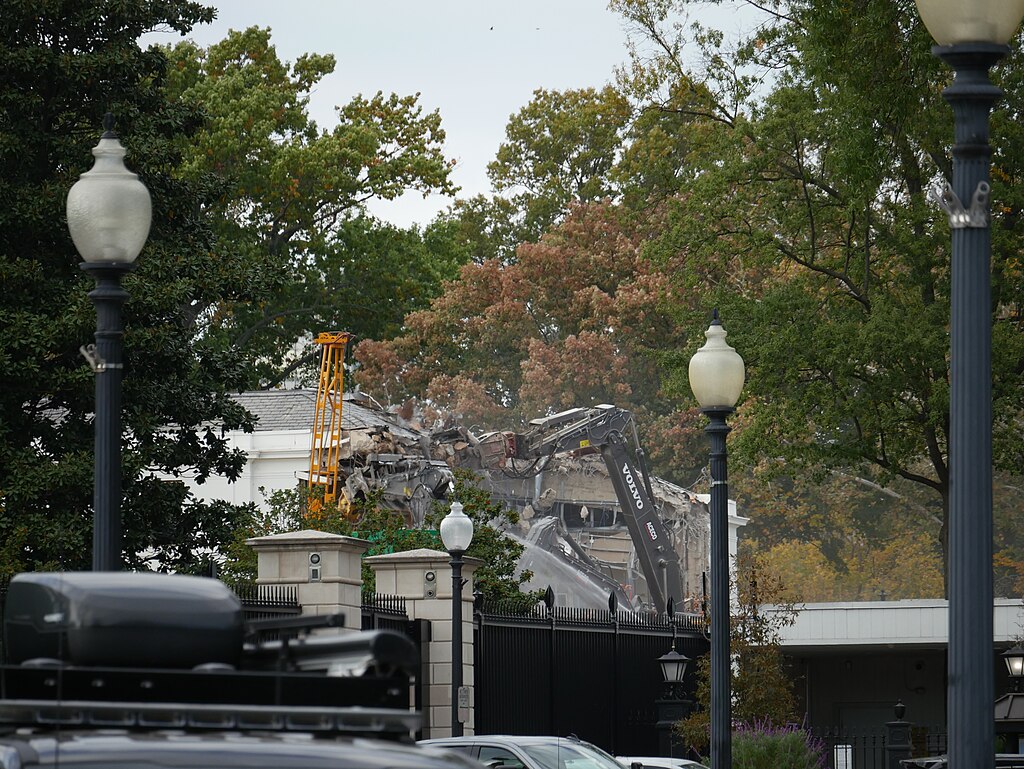
The lawsuit centers on the administration’s plan to build a 90,000-square-foot ballroom on the site of the demolished East Wing, a structure that has been part of the White House complex for more than a century. Preservation groups argue that tearing down portions of the White House without public input or oversight violates federal statutes, including requirements to consult the National Capital Planning Commission and the Commission of Fine Arts.
Trump welcomed the judge’s comments, saying during a Hanukkah reception at the White House that the administration did not want the project delayed. Attorney General Pam Bondi also defended the plan, posting on X that the ballroom project is “totally lawful” and that the Justice Department will continue to defend it in court.
The administration maintains that the president has statutory authority to modify the White House and pointed to historical precedents, including Franklin D. Roosevelt’s construction of the East Wing itself. Government lawyers emphasized that the ballroom’s design is still evolving and that above-ground construction is not expected until April, making an emergency court order unnecessary.
The National Trust, however, insists that the project has already caused irreversible damage and says it is committed to ensuring compliance with the law and protecting the public’s right to weigh in on significant changes to the White House. Judge Leon is expected to issue a formal order soon and has scheduled another hearing for January.