Singapore’s economy expanded faster than expected in the first quarter of 2026, driven by strong manufacturing output, AI-related demand, and growth in the finance sector. According to the Ministry of Trade and Industry (MTI), Singapore’s gross domestic product (GDP) rose 6.0% year-on-year during the January to March period, surpassing market expectations of 4.6%. The latest figure also exceeded the previous quarter’s 5.7% growth rate.
On a seasonally adjusted quarter-on-quarter basis, Singapore’s economy grew 1.0%, slightly slower than the 1.3% increase recorded in the final quarter of 2025. Despite ongoing geopolitical uncertainty, the government maintained its full-year GDP growth forecast of 2.0% to 4.0% for 2026.
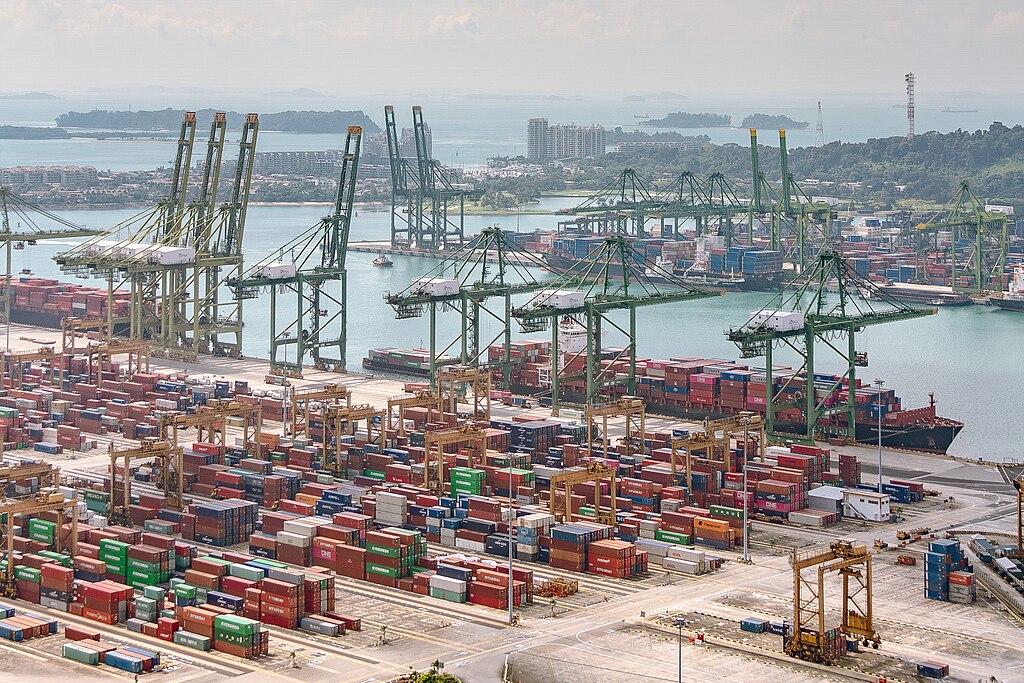
The trade ministry highlighted that rising global demand for artificial intelligence technologies significantly boosted Singapore’s electronics and precision engineering industries. Increased activity in machinery and equipment trade also supported broader economic expansion. Manufacturing posted an impressive 7.9% annual growth rate, while the wholesale trade sector surged 11.7%. Meanwhile, finance and insurance services expanded by 5.7%, reflecting continued resilience in Singapore’s financial sector.
However, the government warned that risks to the economic outlook have intensified due to escalating tensions involving the United States, Israel, and Iran. The conflict has contributed to higher oil prices and disruptions around the Strait of Hormuz, a critical global shipping route. These disruptions negatively affected chemicals and fuel-related industries in Singapore, with several petrochemical companies declaring force majeure and some refineries reducing operational capacity.
MTI cautioned that prolonged energy supply interruptions and tighter global financial conditions could slow economic momentum later in 2026. Nevertheless, Singapore’s strong trade performance, robust manufacturing sector, and continued AI-driven demand are expected to provide support for the economy in the months ahead.