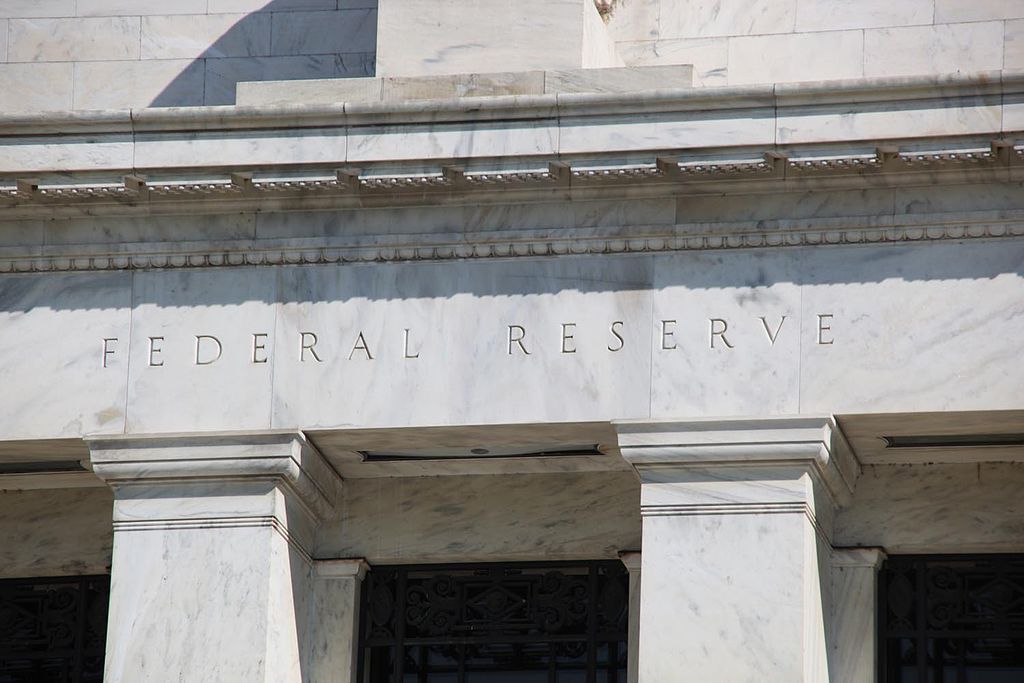
The U.S. dollar weakened on Thursday after the Federal Reserve struck a less-hawkish tone than investors anticipated, prompting traders to increase bets on further rate cuts in 2025. While the Fed lowered interest rates by 25 basis points as expected, Chair Jerome Powell’s comments during the post-meeting press conference signaled a more dovish outlook, surprising market participants who were positioned for a firmer stance on inflation.
Analysts noted a clear shift in tone compared to the Fed’s October meeting. Nick Rees, head of macro research at Monex Europe, said the commentary leaned “dovish,” encouraging investors to short the dollar. As selling pressure increased, the euro climbed above the key $1.17 threshold, touching $1.1705—its strongest level in nearly two months. Sterling also gained, reaching $1.3391, and the Japanese yen strengthened 0.25% to 155.64 per dollar, recovering slightly from recent weakness driven by wide interest-rate differentials.
The dollar index fell to 98.543, its lowest since late October, reflecting broad softness across currency markets. Tony Sycamore of IG said traders had expected the Fed to repeat the hawkish tone from October but instead received signals that support risk-asset rallies into year-end.
Market sentiment now leans toward two additional rate cuts next year, exceeding the Fed’s own projection of just one. The central bank also announced it will begin purchasing short-dated Treasury bills starting December 12, with an initial round of roughly $40 billion aimed at supporting market liquidity. The move boosted bond markets, pushing the two-year Treasury yield down to 3.5340% and the 10-year yield to 4.1332%.
Analysts at Societe Generale said the earlier-than-expected T-bill purchases helped spark a rally led by short-term Treasuries. In commodity-linked currencies, the Australian dollar eased to $0.66665, while the New Zealand dollar slipped to $0.5812 after recent highs.
This shift in Fed policy expectations continues to shape global currency flows and investor positioning as markets look ahead to 2025.