


 US, EU Push for Action Against Asia’s Excess Factory Capacity
  Trump Secures Russian Diesel Deal as US Fuel Prices Surge
  Morgan Stanley Raises Coinbase Stock Price Target to $258 Ahead of Earnings
  RBI Raises Repo Rate to 5.50% in Hawkish Shift on Inflation Risks
  Polkadot Launches dotUSD Stablecoin as DOT Price Falls
  Gold Prices Hit One-Week High as Oil Falls, Fed Rate Outlook Weighed
  Bangladesh GDP Growth Accelerates to 4.6% on Industrial Rebound
  Deutsche Bank CEO Urges Faster German Economic Reforms
  Robinhood Chain Eyes Priority Gas Auctions for Faster Trades
  Stellar Overtakes Ethereum in RWA Fund Inflows as XRP Leads Commodities
  Asian Stocks Mixed as OpenAI Revenue Concerns Hit Chipmakers
  Starbucks Explores Chipotle Acquisition as Shares Swing
  Trump Buys Up to $25M in Meta Stock, Invests in SpaceX Debt
  Oil Prices Trim Gains After Trump Rules Out Iran Strikes Before Midterms
  Trump Calls for Zelenskyy Replacement Amid Russian Diesel Deal
  OpenAI Revenue Hits $50 Billion, Below Earlier $70 Billion Estimate
  Mike Rogers Calls for End to US-Canada Tariff War


 Add as a preferred source on Google
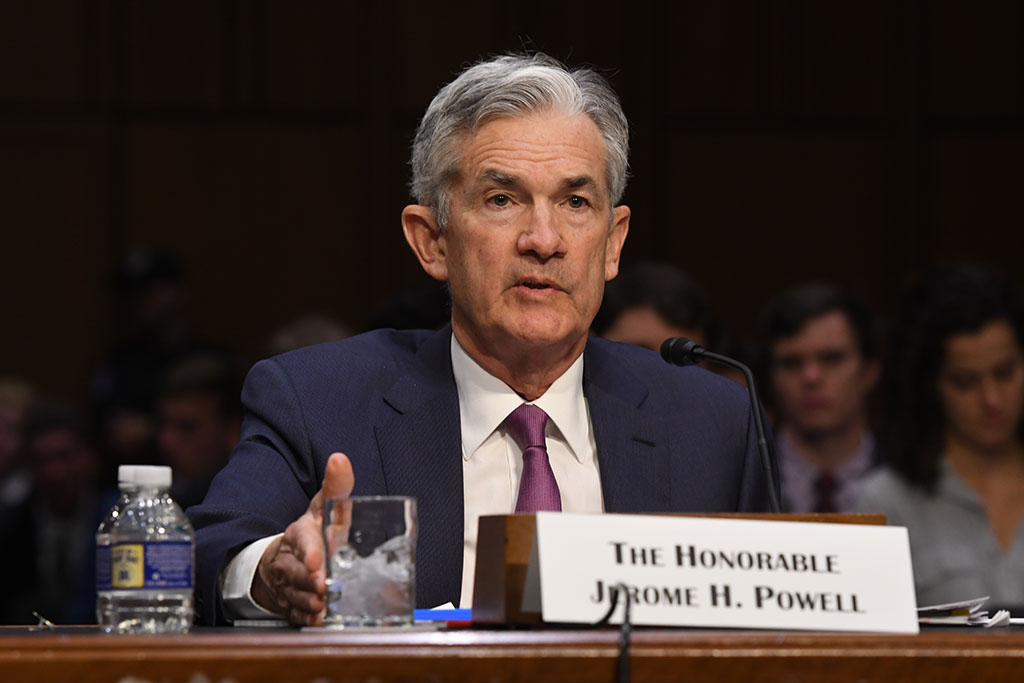
Federal Reserve Chair Jerome Powell announced on Thursday that the U.S. central bank does not feel pressured to hastily reduce interest rates, given the country’s solid economic growth, a resilient job market, and inflation that remains above the Fed’s 2% target. Powell’s remarks have sent a signal to financial markets that rate cuts may come more gradually than some had anticipated, and underscore the Fed’s intent to keep inflation on a controlled path.
Speaking at a financial event, Powell emphasized the Federal Reserve’s commitment to guiding inflation towards a stable 2% target, a goal that policymakers feel is within reach but still requires careful monitoring. “We’re on a sustainable path to 2%,” Powell noted, but he cautioned against any rushed adjustments to monetary policy, stressing that the Fed could move “over time to a more neutral setting.”
Powell’s comments align with market sentiment that has recently begun to temper its expectations for swift rate cuts. His words serve as a reminder that the Fed is committed to steady economic oversight rather than making quick changes in response to shifting market sentiments. This stance has sparked immediate reactions across financial markets.
Market Reactions
The financial markets responded swiftly to Powell’s statement. The stock market saw extended losses, with the S&P 500 dropping 0.6%. In the bond market, U.S. Treasury 10-year yields pared some losses following Powell’s remarks, ultimately falling by 1.4 basis points to settle at 4.437%. Meanwhile, the dollar gained strength, rising 0.4% in response to the Fed Chair’s cautious stance on rate cuts.
Investors and analysts alike had mixed reactions to Powell’s outlook. Adam Hetts, Global Head of Multi-Asset at Janus Henderson Investors, noted, “Powell’s comments put a damper on the optimistic view of quick rate cuts. However, this careful approach is an encouraging message for the economy.” Hetts added that the market might still have room for a rally, but it will be navigating a challenging environment with higher terminal rates and demand for long-term treasuries.
Paul Nolte, Senior Wealth Advisor at Murphy & Sylvest, said that Powell’s statements were “a little less dovish than Wall Street expected,” which he attributes to recent economic data showing steady job growth and inflation still above the desired 2%. According to Nolte, Powell’s cautious approach reflects a realistic outlook on inflation and labor market conditions.
Inflation and Labor Market Concerns
Powell’s speech comes on the heels of the latest Consumer Price Index (CPI) report, which highlighted sticky inflation and a job market that remains robust. Many analysts view Powell’s comments as a response to conflicting interpretations of the CPI report. While some financial experts speculated that a rate cut could come as early as December, Powell’s remarks suggest the Fed remains cautious about declaring victory in the fight against inflation.
Quincy Krosby, Chief Global Strategist at LPL Financial, remarked that Powell’s statements bring the Fed’s cautious stance into sharp focus. “Fed Chair Powell telegraphed news that markets didn’t want to hear,” Krosby said, pointing out that inflation’s downward trajectory may be losing steam, and rate cuts will remain off the table until the Fed sees more substantial economic cooling.
Powell’s approach highlights the central bank’s balancing act between controlling inflation and maintaining a strong labor market. His commitment to a gradual monetary adjustment has resonated with some in the financial community, while others remain wary of the potential impact on economic growth.
As the Fed evaluates economic indicators in the coming months, the market will watch closely for signals about future rate cuts. Powell’s comments indicate that, barring any significant downturn in the labor market, the central bank will proceed cautiously.
The Fed’s gradual approach has led some investors to reassess their strategies, especially as the demand for long-term treasuries rises. As the economy continues to show resilience, the Fed’s stance may shape not only financial markets but also broader economic expectations in the months ahead.







