


 Robinhood Stock Nears $114 as Jobs Data Boosts Risk Appetite
  Hyperliquid Sets $856 Million HYPE Token Unlock for October
  Citi Raises Bitcoin Price Target to $113,000 on ETF Optimism
  Evernorth Set for Nasdaq Debut With 473 Million XRP Treasury
  TRUMP Memecoin Launches New Dinner Contest
  Ripple Locks 700 Million XRP Back in Escrow After October Release
  Bitcoin Holds Above $83,700 as High Treasury Yields Limit Rally
  Michael Saylor Sees Strategy, Strive Expanding Bitcoin Credit Market
  Midnight NIGHT Token Surges 86% as Smart Contract Launch Nears
  Ethereum Price Eyes $3,000 as Fed Rate Hike Odds Drop
  NEAR Intents Hack Drains $3.8 Million, NEAR Price Falls 7.5%
  XRP Ledger Hits 10 Million AI Payments as Bitcoin Retreats
  Chainalysis AI Traces $387M Bitget Hack in Under 10 Minutes
  Standard Chartered Sees Ethena ENA Hitting $2 by 2028
  XRP Asia Launches to Accelerate XRPL Adoption Across Asian Banks
  Citi Raises Bitcoin Target to $113,000 as Crypto Outlook Improves


 Add as a preferred source on Google
Since World War II, the average length of time between recessions is 5 to 6 years. With the current cycle clocking in at 81, it's natural to wonder if the next downturn is imminent.
Global inflation has begun to reflect recessionary levels (around 1% Y/Y change).
Global trade has collapsed as reflected by the 80% drop over the last 18 months.
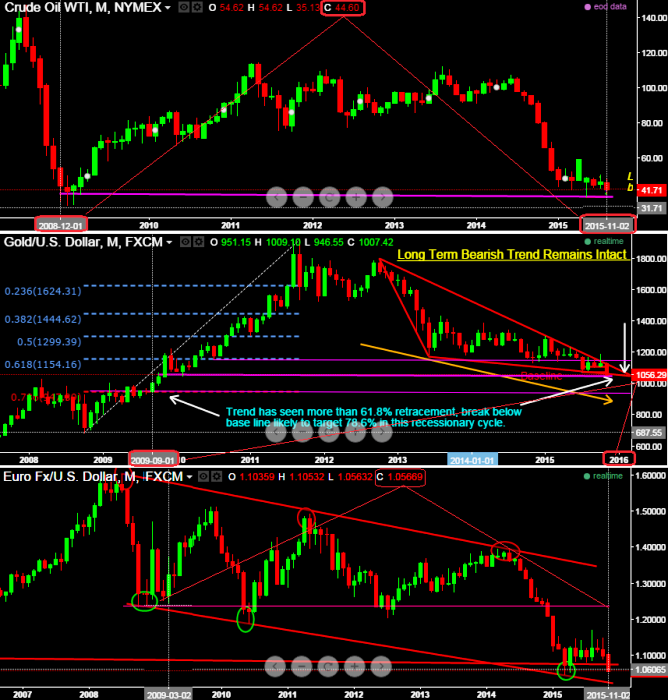
Declining trend over various asset classes (Bullion, crude and equity indices); compare the current levels with 2008 when last recession took place (see technical charts).
Recessionary trends are appearing in overall US imports/exports.
China's economy appears to be turning recessionary, recent currency devaluation has been the evidence so as to protect their economy.
In Germany, Europe's strongest economy, exports fell 5.2% in August from the previous month, growth momentum for been in the recessionary mode.
Japan already seems to have entered into the recessionary phase; industrial output disappoints projections (1.4% versus forecasts 1.9%).
It seems that the slow growth in snail's pace is only a momentary result of the 2008 financial crisis is absurd, this is no room for complacency.
The latest data suggest growth is slowing in the United States, and it is already slow in Europe and Japan. A global economy near stall speed is one where the primary danger is recession.

- News

- Economy

- Central Banks
- Investing
- Research
- Roundups
- Digital Currency
- Insights
- Technical Analysis
- Technology
- Business
- Law
- Health
- Nature
- Fintech
- Science
- Topic
- Opinions
- ©Econometrics LLC . All Rights Reserved.
Flurry of reasons to ponder over global markets sensing recessionary phase
Monday, November 30, 2015 12:31 PM UTC
Editor's Picks



- Market Data
Most Popular




