


 Tesla Holds $960 Million in Bitcoin as BTC Gains Top $710 Million
  Albertsons Seeks $9.3 Billion From Kroger Over Failed Merger
  IMF Maintains 2027 Global Growth Forecast at 3.4% Amid Rising Risks
  Samsung, SK Hynix Shares Plunge as China Chip Competition Grows
  US Dollar Near 18-Month High Ahead of Inflation Data
  Philippines Current Account Deficit Seen at $19.1 Billion in 2026
  S&P 500 Rally Masks Losses for Over 40% of Stocks in 2026
  Syndax Stock Drops 15% After Axatilimab Trial Failure
  Hong Kong’s Second Solana ETF Launches With Lower Fees
  PepsiCo Slashes Poppi Earnout Valuation as Growth Slows
  Oil Prices Fall as Russia Signals Higher Diesel Exports
  Canton Network Expands in South Korea With Major Partnerships
  Most Americans Oppose Election Betting on Prediction Markets, Poll Finds
  Global Stocks Mixed as Oil Falls Ahead of US Earnings
  Bank of America Predicts Yen Rebound as USD/JPY Faces Risks
  RBA Signals More Rate Hikes as Inflation Risks Rise
  European Auto Stocks Rise as EU-China Trade Deal Targets Hybrid Imports


 Add as a preferred source on Google
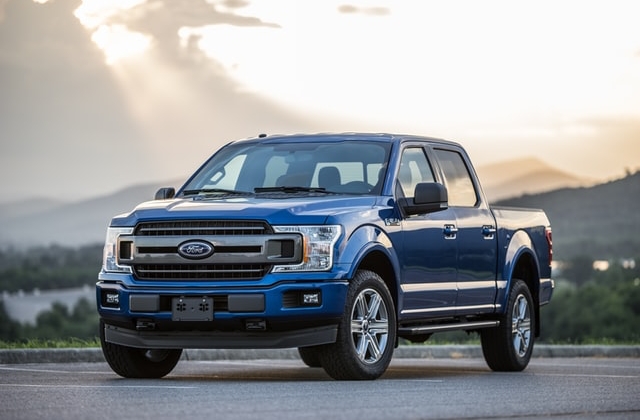
Ford Motor Company’s sales went down for the month of June. It was reported that this was caused by the chip shortage as the firm could not keep up with the demand due to a series of forced production stoppages.
As per Fox Business, the sales of the American automaker plummeted by as much as 26.9% last month. The decrease is a comparison to the previous year’s sales numbers.
The drop in vehicle transactions for June
Ford’s F-Series trucks are currently the best-selling model, but its sales dropped 29.9% despite the overall transaction prices hitting a record $47,800 average on Ford and Lincoln brands. At any rate, the Dearborn, Michigan, headquartered company announced the closures of its nine manufacturing plants as parts supply is scarce.
The temporary closures will take effect in July and August, so the company is expecting further sales drop for the first half of this year. But despite the halt in productions and decrease in sales, Ford Motor still managed to do better compared to some other auto companies.
In fact, in the first half of 2021, Ford’s sales are up by 4.9% to 996,661, which made it third place in the ranking. It was behind Toyota and General Motors but ahead of Stellantis that recorded 954,963 from all its car brands.
Missing second-quarter sales expectations
As Ford Motor’s sales last month has declined by more than 25%, it missed the second-quarter expectations. CNBC reported that the company did not meet the analysts’ expectations as they were below the predicted number.
It was suggested that the figures are not even as high because the analysts are aware of the chip shortage that has become a problem among the technology and automotive businesses worldwide. At any rate, it was mentioned that Ford already expected lower sales for the second quarter because of the chip shortage that is pushing the company to temporarily cease operations.
“The quarter started off extremely strong, April broke a lot of sales records as far as over 18 million, and then we saw that inventory continue to dwindle,” Jessica Caldwell, Edmund’s executive director of insights, said. “Consumer demand is still very strong, but the inventory is somewhat lacking.”







