


 Elon Musk Eyes Semiconductor Manufacturing Expansion With $15 Billion Terrafab Project
  Wall Street Falls as Fed Minutes Signal Another Rate Hike
  US Dollar Hits 18-Month High as Fed Signals More Rate Hikes
  OpenAI Annualized Revenue Hits $50 Billion, Below Earlier Estimates
  Blockchain.com Seeks CFTC Approval for Prediction Markets and Crypto Derivatives
  Mike Rogers Calls for End to US-Canada Tariff War
  Crypto Market Selloff Wipes Out $100B as Bitcoin Falls Below $83K
  Oil Prices Trim Gains After Trump Rules Out Iran Strikes Before Midterms
  1 in 3 uni students experience serious financial hardship. Could concession cards for all help?
  Oracle Uses Trucked Natural Gas to Power AI Data Centers Amid Pipeline Delays
  Morgan Stanley Raises Coinbase Stock Price Target to $258 Ahead of Earnings
  Why financial hardship is more likely if you’re disabled or sick
  Apple Cuts iPhone 18 Pro Production Orders Amid Weak Demand
  The American mass exodus to Canada amid Trump 2.0 has yet to materialize
  Dollar Near 18-Month High as Euro, Yen and Pound Weaken
  Ledger Investigates Alleged $86 Million Crypto Wallet Theft


 Add as a preferred source on Google
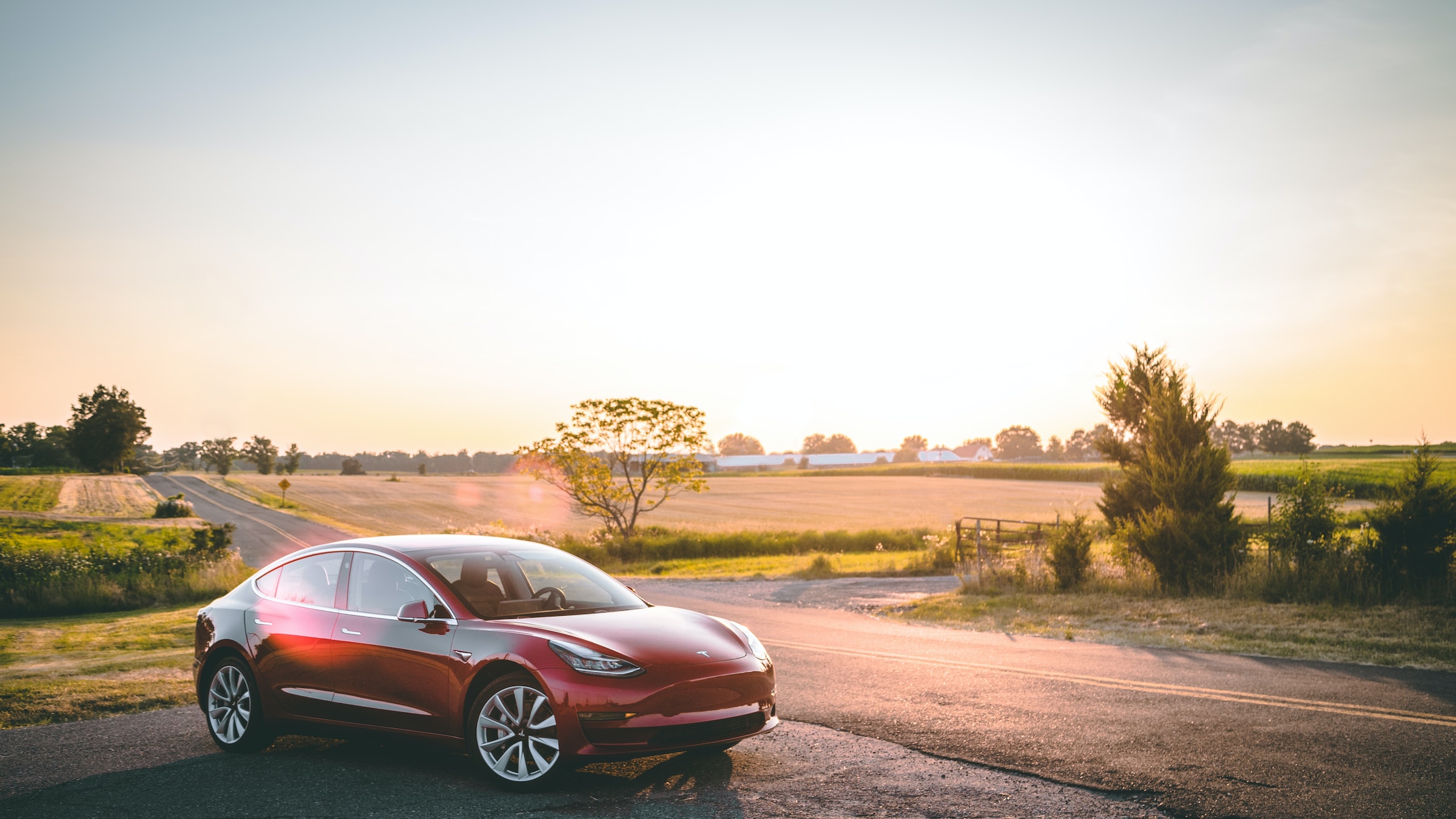
Despite a 10.7% overall surge in South Korean car sales, foreign giants Tesla Inc. and Mercedes-Benz have seen a significant dip in their market share. The first half of 2023 witnessed their sales dwindle, especially in the electric vehicle (EV) segment, whereas domestic automakers Hyundai and Kia thrived.
The decrease in the foreign brands' market share was the first in four years, primarily due to dwindling electric vehicle (EV) sales. Conversely, South Korean car manufacturers, such as Hyundai Motor Co.'s IONIQ 5 and IONIQ 6, along with Kia Corp.'s EV6, outperformed their international competitors in the EV segment.
During this period, the country observed a noteworthy growth of 10.7% in total car sales, with 893,737 units sold. However, sales of imported cars declined by 3.1%, amounting to 134,414 units. Regarding newly registered cars, the market share of foreign automakers decreased by 2.5 percentage points to 15.3% in the first half.
Tesla Inc. faced a sharp decline of 44.7% in car sales, triggered by waning interest in its flagship Model 3. Meanwhile, Mercedes-Benz experienced a drop in sales due to shipment delays and anticipation of the launch of the E-Class facelift, Korea's most sought-after imported car model. The German automaker's Korean sales declined by 9.6% in the first half.
The percentage of imported EVs also significantly decreased, falling from 35.9% in 2020 to 19.5% by the end of June 2022.
Notably, South Korean car manufacturers monopolized the top seven spots for the most popular newly registered EV models in the year's first half, with Tesla's Model Y ranking eighth.
Furthermore, by the end of June, the country's cumulative number of registered EVs rose by 19.3% compared to 2022, totaling 465,000 units. This half-year period recorded the most substantial percentage leap among all vehicle segments.
In a positive development, Tesla introduced its Model Y rear-wheel drive car to the South Korean market, sold for 56.99 million won ($45,139). This price range qualifies the vehicles for the highest level of government subsidies. With a driving range of 350 kilometers (217.48 miles) and a top speed of approximately 217 km per hour, deliveries for the Model Y are scheduled for August to September.
Local media reports suggest that the Tesla Model Y cars sold in South Korea are produced in China. A tweet by Tesla Korea showcasing the sale featured a video of cars being manufactured at their Gigafactory in Shanghai and being shipped.
This latest data underscores the dynamic landscape of the automotive industry in South Korea, highlighting both the challenges faced by foreign automakers and the growing dominance of their South Korean counterparts in the EV market.
Photo: Vlad Tchompalov/Unsplash







