


 Anthropic Launches Claude Dashboards and Motion AI Tools
  Apple Names Steve Smith M&A Chief in Leadership Shakeup
  XRP Ledger Activates New Security Feature for Banks and Stablecoins
  Apple Cuts iPhone 18 Pro Production Orders Amid Weak Demand
  Deere, CNH and AGCO Stocks Fall as FTC Launches Farm Equipment Probe
  US Dollar Hits 18-Month High as Fed Signals More Rate Hikes
  Deutsche Bank CEO Urges Faster German Economic Reforms
  Zcash Plans Quantum-Resistant Security Upgrade for January
  Yandex Data Center Hit by Drone Strike as Russia-Ukraine Cyber Infrastructure Attacks Escalate
  Trump Buys Up to $25M in Meta Stock, Invests in SpaceX Debt
  US Treasury Yields Ease After Strong 10-Year Auction as Global Bonds Struggle
  Gold Prices Hit One-Week High as Oil Falls, Fed Rate Outlook Weighed
  Gold Prices Rise as Dollar Weakens, Treasury Yields Fall
  LG Electronics Shares Slide as Q3 Profit Misses Estimates
  Zcash Privacy Demand Rises as AI Exposes Bitcoin Transactions
  US Dollar Rises for Fourth Week as Fed Rate Hike Bets Grow
  Solidigm Taps Goldman, Morgan Stanley for $10 Billion US IPO


 Add as a preferred source on Google
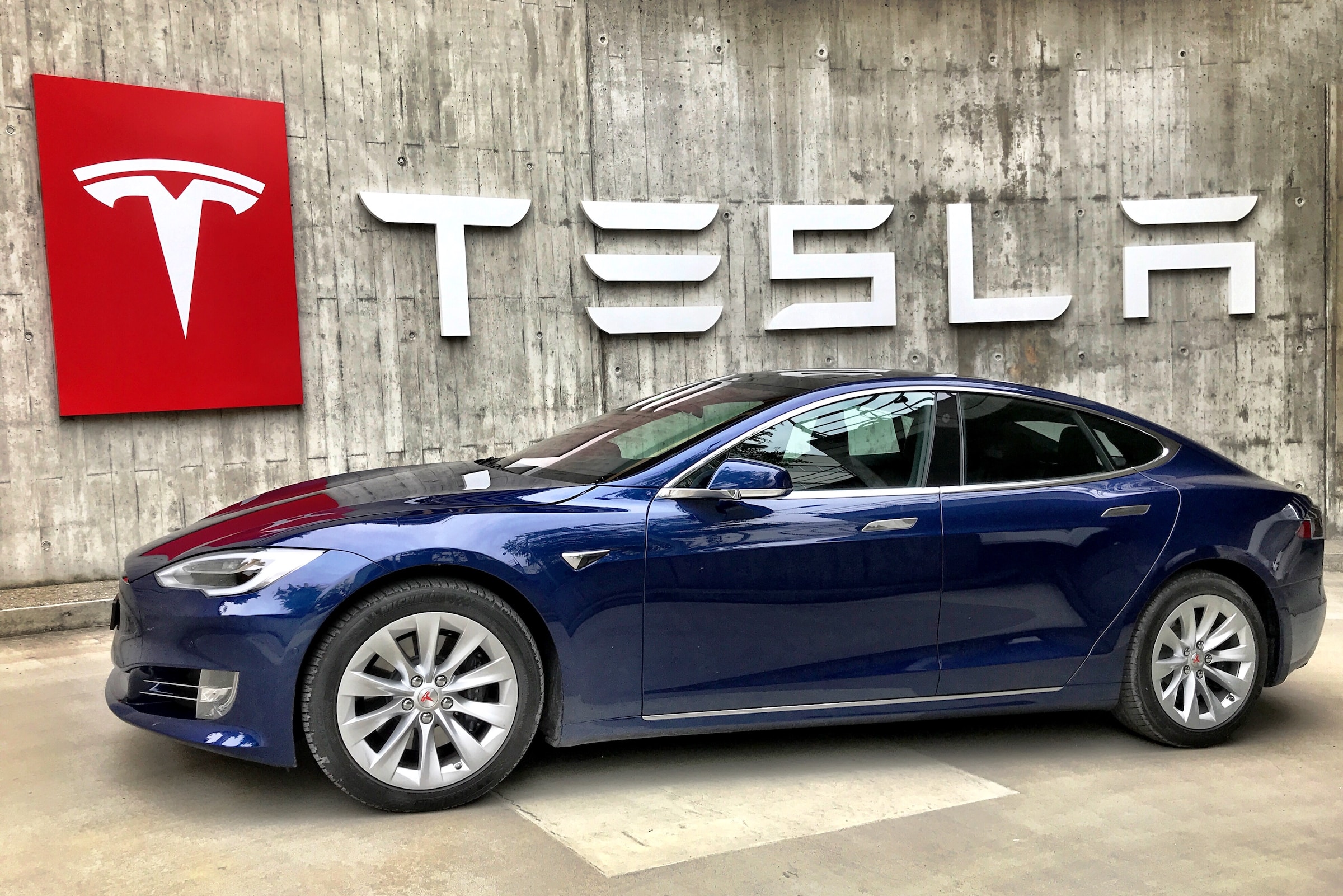
Samsung Electronics Co., the global memory chipmaking giant, has revealed a new strategic alliance with Tesla Inc. to manufacture the automaker's forthcoming Full Self-Driving (FSD) chips. Slated for inclusion in Tesla's Hardware 5 (HW 5.0) computers, the state-of-the-art chips, built on Samsung's 4-nanometer node, are expected to go into mass production within the next three to four years.
Previously, Tesla had chosen Taiwan Semiconductor Manufacturing Co. (TSMC) as its sole HW 5.0 auto chip production partner. However, Tesla plans to collaborate with both TSMC and Samsung or potentially rely solely on Samsung for the mass production of the fifth-generation auto chips.
This strategic shift arose after Samsung Group leader Lee Jay-yong discussed with Tesla Chief Executive Elon Musk to explore opportunities for strengthening their technological partnership. During their meeting at a Samsung research center in Silicon Valley, Lee presented Musk with favorable terms, including competitive contract prices, facilitating this new alliance.
Samsung has a history of supplying earlier versions of FSD chips to Tesla, supporting the production of various Tesla EV models such as the Model 3, Model 5, Model X, and Model Y. In addition to this collaboration, Samsung has experienced significant improvements in the yield of its 4-nm and 3-nm node processes, up to a 75% and 60% increase in yield, respectively.
To support its growing ambitions, Samsung is actively expanding its foundry capacity. This includes expanding its manufacturing footprint at the Pyeongtaek plant in Korea in 2022 and establishing a new plant in Texas, expected to be operational the following year. By 2027, Samsung aims to triple its global chipmaking capacity from its 2022 level.
The partnership between Samsung and Tesla marks a significant milestone in the advancement of autonomous driving technology, highlighting the concerted efforts of these industry leaders in driving innovation forward.
Photo: Tesla Fans Schweiz/Unsplash







