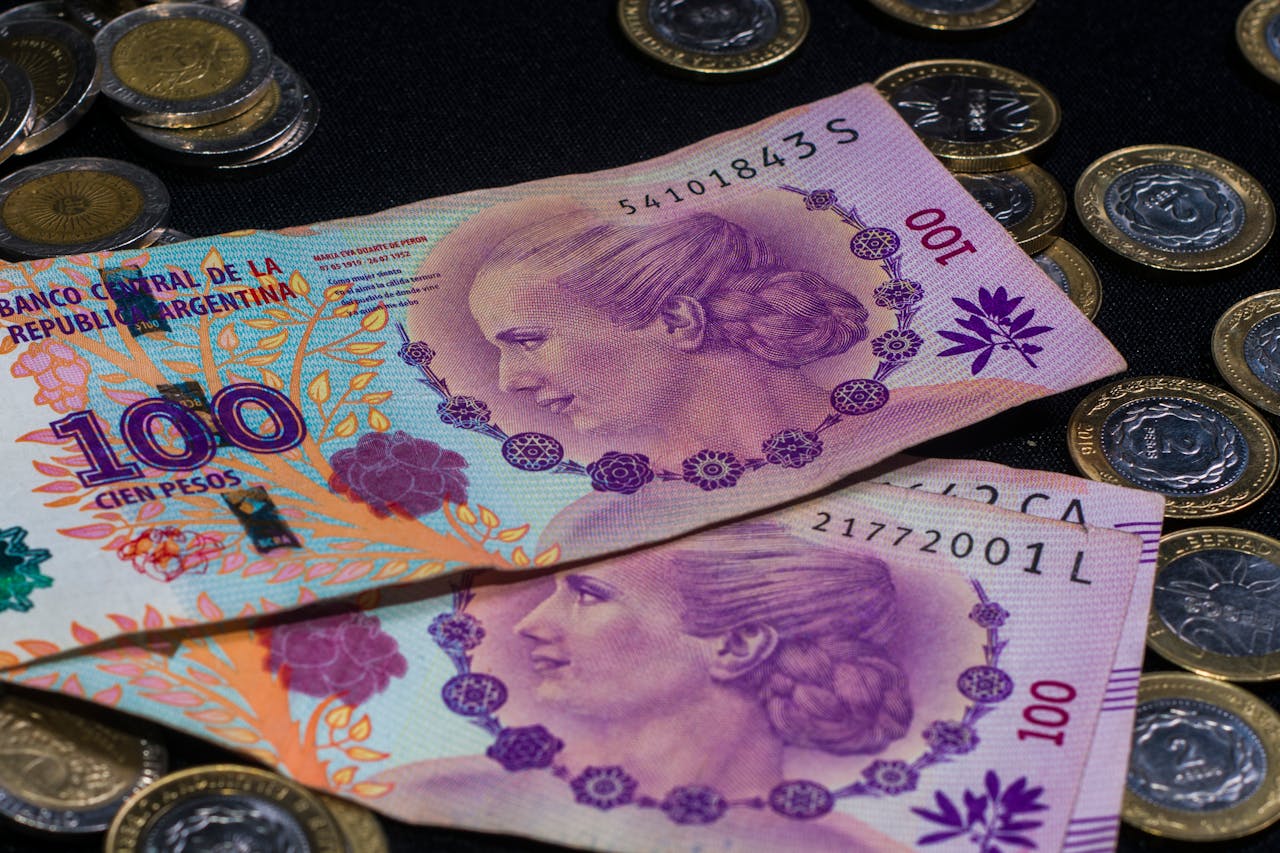
We think the majority of the AUDUSD projections don’t seem to have any changes from its last monetary policy meeting and we could still foresee Aussie dollar at around USD 0.66 levels by H1’19 on some considerable driving forces.
Aussie seems vulnerable on the back of a weaker growth backdrop for the domestic economy and our expectation of further easing from the RBA. Despite local data continuing to outperform relative to the global data flow (refer 1st chart), AUDUSD has underperformed of late, kept in check by a slow-burning negative domestic narrative, a re-escalation of trade war risks and the RBA’s gradual progression towards a more dovish policy stance.
Indeed, the RBA took another step towards a dovish policy bias this week, when it adjusted the last paragraph of its monthly Statement. We had expected the RBA to cut rates in May in light of the weak 1Q CPI data, but in the end, this proved not to be a strong enough trigger. Still, it can be argued that the RBA took a step towards rate cuts this month; previously, the Bank had indicated that a rising unemployment rate would be necessary to guarantee rate cuts. Now, improvement in the labor market appears to be a necessary condition for policy stability. This is clearly a weaker precondition for easing, and we now expect 25bp of easing in August, followed by another 25bp in November.
Consequently, the market is still priced for rate cuts (refer 2nd chart), which has kept the pressure on front end rate differentials as the Fed has pushed back against the idea of an insurance cut.
The contrarian view on AUD of late has been that a combination of Chinese stimulus and good news on US-China trade relations will be supportive of the currency.
Recent developments on this front have been mixed; generally, China data has printed with a better tone, and last month our Chinese economists revised up their 2019 calendar year forecasts for Chinese growth to 6.4% (from 6.2%). But the news on the US/China trade deal has soured this week, with heightened risk the US announces an increase in tariffs on $200bn of Chinese imports. So the case to be constructive AUD appears to be even less compelling now, with risks around an escalation of trade risks offsetting better news on Chinese growth.
Trade tips: On hedging ground, at spot reference: 0.69 levels, contemplating above fundamental headwinds, we advocate initiating shorts in futures of June’19 delivery for the major downtrend. Thereby, one can position in their FX exposures with the implementation of the same trading theme by further allow for a correlation-induced discount in the options trading also if you choose strikes appropriately. Courtesy: JPM
Currency Strength Index: FxWirePro's hourly AUD spot index is inching towards 134 levels (which is highly bullish), while hourly USD spot index was at -15 (mildly bearish), while articulating (at 08:26 GMT). These indices are also conducive for the above hedging set-up.
For more details on the index, please refer below weblink: http://www.fxwirepro.com/currencyindex