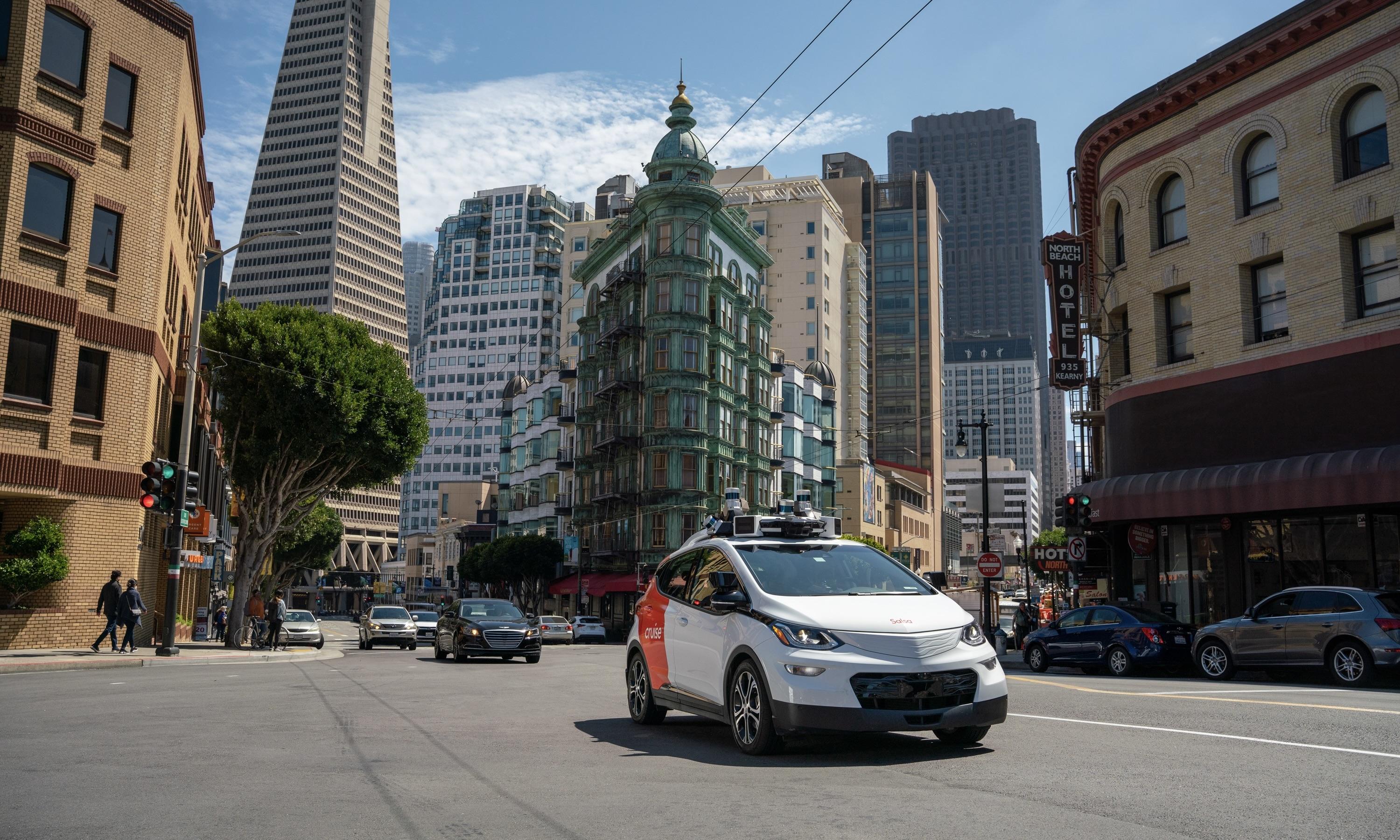
General Motors' autonomous vehicle subsidiary, Cruise, is set to carefully re-launch its driverless robotaxis as it continues to make significant strides in the development of self-driving technology. The company aims to revolutionize the transportation industry by providing safe and efficient mobility solutions.
GM Announces Plans for Re-Launching Driverless Robotaxis
In a recent announcement, Cruise outlined its comprehensive roadmap for the re-launch of its driverless robotaxis. According to Reuters, the plan includes a series of crucial updates that focus on enhancing the safety and performance of autonomous vehicles. By prioritizing rigorous testing and meticulous development, Cruise aims to instill confidence in its autonomous technology.
One of the key components of Cruise's strategy is to integrate cutting-edge AI algorithms and advanced sensors into their driverless vehicles, as per MarketScreener. These technologies enable the robotaxis to better understand and navigate complex traffic scenarios, ensuring a smooth and reliable ride for passengers.
Furthermore, Cruise is committed to continuous improvement through ongoing software updates. Regular updates and maintenance will guarantee that the autonomous vehicles are equipped with the latest technology and are capable of handling various driving conditions.
Cruise Introduces Updates for Enhanced Safety and Performance
Cruise's prioritization of safety is evident in its comprehensive sensor suite, including lidar, radar, and cameras, which provide a 360-degree view of the vehicle's surroundings. This multi-layered approach to perception allows the robotaxis to detect and respond to potential hazards, ensuring the safety of both passengers and pedestrians.
Roadmap for the Re-Launch of Driverless Robotaxis
In terms of operational deployment, Cruise plans to gradually expand its driverless robotaxi service in select cities. This gradual approach allows Cruise to meticulously monitor and refine the performance of its autonomous vehicles while ensuring the highest level of safety and reliability.
The re-launch of Cruise's driverless robotaxis signifies a major milestone in the advancement of autonomous transportation. It marks an important step toward the widespread adoption of self-driving technology, promising a future of enhanced mobility and reduced traffic congestion.
Photo: Get Cruise Newsroom