


 Oil Prices Slip as Trump Rules Out Iran Strike Before Midterms
  IMF, World Bank Meetings Face Global Economic Risks Amid Iran War
  Oil Prices Rise as Hormuz Risks Offset IEA Stock Release
  Oil Prices Trim Gains After Trump Rules Out Iran Strikes Before Midterms
  Trump Calls for Zelenskyy Replacement Amid Russian Diesel Deal
  Trump Secures Russian Diesel Deal as US Fuel Prices Surge
  US Dollar Near 18-Month High Ahead of Inflation Data
  Deutsche Bank CEO Urges Faster German Economic Reforms
  Gold Prices Rise as Dollar Weakens, Treasury Yields Fall
  Gold Prices Rise Above $4,200 as Russia-Ukraine Energy Truce Eases Oil Concerns
  France to Release 10 Million Barrels of Diesel to Ease Fuel Prices
  Mike Rogers Calls for End to US-Canada Tariff War
  Global Stocks Mixed as Oil Falls Ahead of US Earnings
  Oil Prices Rise as Gulf Hurricane and Middle East Supply Risks Mount
  US, EU Push for Action Against Asia’s Excess Factory Capacity
  US Stock Futures Rise as Oil Prices Fall Ahead of Q3 Earnings
  UK Finance Minister Healey Calls for Fiscal Discipline Amid Global Risks


 Add as a preferred source on Google
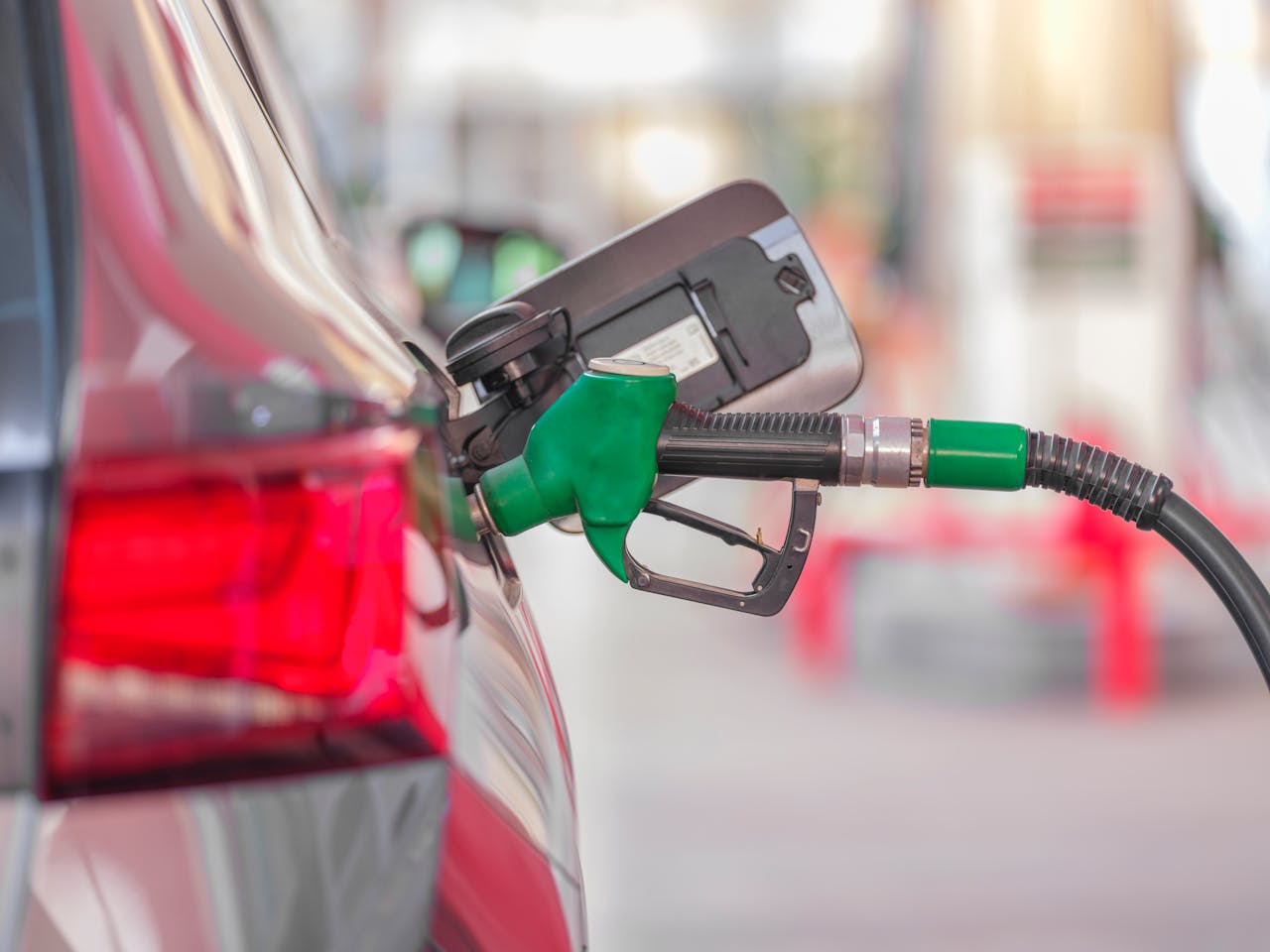

South Africa is immersed in a “just energy transition” from a fossil fuel-based energy system to a cleaner, low-carbon energy system. This new system will be based primarily on renewable energy, such as solar, wind and green hydrogen.
Such a transition is deeply contested. Those with direct and indirect commercial interests in the coal industry will defend their stake. On the other hand, those who could gain from a transition will aim to entrench their new interests in the renewable energy sector.
Then there are those who argue that gas is a reasonable compromise between the need to decarbonise and the need to maintain energy security.
Lobbyists for gas include the Industrial Gas Users Association, the South African Oil and Gas Alliance and state-owned energy company Eskom. Sasol is a South African energy and chemicals company that has been heavily involved in lobbying for gas. It already operates gas-to-liquids plants. It also has a vested interest in expanding the gas market to support its industrial processes.
The case for gas hinges on it being ostensibly “cleaner” and more cost effective. Gas is also said to support grid reliability when there is peak demand for energy. (This is at times when inclement weather conditions means solar power cannot be generated.)
A recent Cambridge University foresight paper authored by Sikho Luthango concludes that gas carbon emissions are lower than coal. But gas is not as clean as alternative renewable energy sources.
I head the Cambridge Institute for Sustainability Leadership. I’ve researched law, politics and sustainability – and the links between the three disciplines – for 30 years.
I argue that pursuing large-scale gas development could result in stranded assets (where investors are unable to recoup the money they’ve spent developing the gas industry). This could happen because of a global shift towards renewables and green hydrogen.
South Africa has a competitive advantage in green hydrogen and renewable energy technologies due to its location and natural resources. (Green hydrogen is made by using renewable energy to split water into hydrogen and oxygen.)
If green hydrogen was prioritised, it could attract significant global investment. South Africa could become a market leader. Green hydrogen, combined with lithium production, could create up to 94,000 jobs, far surpassing potential employment in the gas sector.
South Africa’s gas supply
On 20 September 2024, Eskom and Sasol signed a memorandum of understanding to explore and research potential future liquefied natural gas requirements.
However, South Africa’s gas supply is under question. In July 2024, French multinational energy giant TotalEnergies pulled out of drilling for gas in the Brulpadda-Luiperd gas condensate fields on the south coast of South Africa. Complex conditions, including deep water and fast ocean currents, made the project financially unviable for the South African market. And the minister of petroleum and energy resources, Gwede Mantashe, is eager to investigate whether the inland Karoo Basin has commercially viable oil and gas reserves.
Regardless, South Africa would likely need to import gas from Mozambique. Yet, with violent extremism near the Pande-Temane gas field in southern Mozambique, gas could be used as a geopolitical weapon. South Africa would be unwise to depend on another country for supply.
Gas is a fossil fuel
Gas is neither a clean energy nor a smarter alternative to coal. Methane leaks along the full supply chain of the gas industry are underplayed.
South Africa has also committed to meet the Paris Agreement goals and phase out all greenhouse gas emissions by 2050. Gas projects already in operation (or those in construction or exploration) will still be pumping out greenhouse gases by 2050. This is inconsistent with the Paris Agreement.
Besides, the European Union’s carbon border adjustments and climate neutrality targets will punish carbon emissions. This will be felt across the whole supply chain of South Africa’s export industries. It will affect sectors from agriculture to car manufacturing to minerals and metals production.
South Africa also lacks demand for gas. A new market would have to be created, requiring large infrastructure investment.
There are other risks. Without strong governance and institutional capacity, oil and gas projects do not always benefit the people of a gas-rich country. Despite its potential gas revenues, worth US$100 million to US$120 million up to 2040, Mozambican poverty rates have remained the same. Extreme poverty rates in Mozambique stood at 62% in 2023.
What needs to happen next
South Africa’s Presidential Climate Commission was set up in 2020 to facilitate a “just” transition away from fossil fuels. It has suggested that rapidly building renewable energy with large storage systems is the best way forward.
The Presidential Climate Commission says gas may play a role in the short to medium term to support renewable energy at times of peak demand. But it has also warned that using gas for peaking power (electricity generation to meet peak demands) will have significant cost implications.
Despite this, the government’s national energy plan, the 2023 Integrated Resource Plan, envisages a far bigger role for gas in South Africa’s future energy mix.
However, renewable energy technologies paired with storage solutions, like batteries, could serve as a more cost-effective and sustainable alternative to gas for peaking power. The same research found that the Integrated Resource Plan may have underestimated the future costs of gas (including infrastructure and volatile fuel prices) and advocates for renewable energy over gas due to these uncertainties.
South Africa needs to heed the Presidential Climate Commission’s advice and focus on setting up large scale renewable energy projects.
If South Africa’s government insists on “going gas”, it should join over 100 countries that have signed the Global Methane Pledge. Under the pledge, countries promise to reduce their methane gas emissions by 30% by 2030.
If government does proceed to invest in gas infrastructure, it should ensure that phase-in targets are used for green hydrogen so that the infrastructure is built in such a way that it can also be used for green hydrogen. That way, stranded assets and wasted investment can be avoided.
Lastly, South Africa should join the Extractive Industries Transparency Initiative, which promotes open and accountable management of oil, gas and minerals, as well as the infrastructure transparency initiative CoST, which promotes transparency around huge infrastructure that often leads to corruption.
This will be important in setting up a smart mix of voluntary and binding mechanisms for transparency and accountability.







