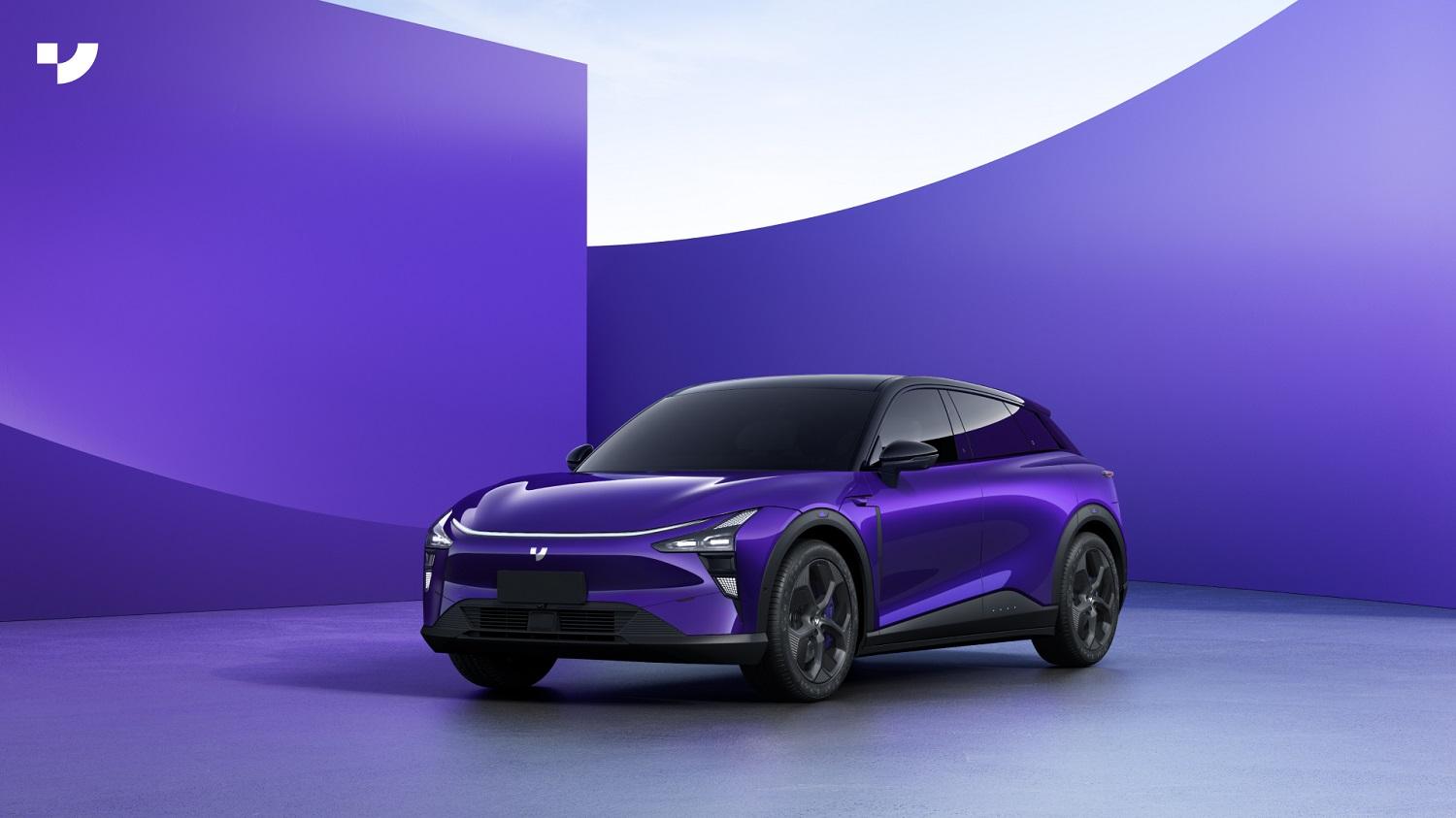
The electric vehicle (EV) industry's competitive landscape intensifies as consolidation accelerates. In a notable industry shift, Geely, the Chinese automotive giant, has assumed responsibility for funding EV manufacturer Polestar, relieving Volvo Cars of its financial obligations.
Reuters noted that this move is a significant marker of the broader industry's trend towards mergers and acquisitions, particularly in the wake of Tesla Inc.'s monumental market success during the early 2020s.
Geely's Strategic Vision for Polestar
Geely's strategic investment into Polestar reflects the challenges and costs of developing cutting-edge EV technology. By absorbing Polestar, previously under Volvo—another Geely majority-owned enterprise—Geely consolidates its grip on the EV luxury sector, bringing Polestar's design-centric models further into its corporate fold.
US News noted that the consolidation reflects the market's natural evolution, where only those with significant capital and stamina can persist; smaller contenders grapple with the sheer scale of investment required to remain viable. Indeed, the EV market is displaying its ruthlessness, favoring those with the resources to endure substantial financial outlays over protracted periods.
Challenging Roads Ahead for EV Startups
A tidal wave of consolidation looms as EV demand fluctuates globally, potentially spelling doom for less financially resilient firms. As Tesla's stratospheric valuation—and Elon Musk's celebrity factor—buoys the industry, it also sets an unsustainable precedent of high expenditure without immediate return, a model unfeasible for most.
The ongoing industry transformation is dramatic, impacting legacy automakers, fledgling startups, and investors who collectively plunged more than $1.2 trillion into EV ventures. The problematic choices now resting on their shoulders—whether to curtail losses or forge untried alliances—are symptomatic of an industry at a critical juncture.
Andy Leyland, supply chain specialist and co-founder of SC Insights, captures the sentiment succinctly: "We're at a turning point. EV startups must now demonstrate not only their potential for profitability but also their strategies to contend against larger, well-funded competitors, including those in China with considerable market influence." The path forward demands adaptability and innovation in equal measure for those hoping to survive the current electric shakeout.
Photo: Geely Newsroom