


 Trip.com Shares Rise as Q2 Earnings Beat Estimates
  Lula, Flavio Bolsonaro Deadlocked in Brazil Election Polls
  Australia Defends Social Media Algorithm Law Amid US Concerns
  Meta CEO Zuckerberg Backs Independent AI Safety Reviews Over Development Slowdown
  U.S. Issues Cuba Health Alert as Illnesses Rise
  Databricks to Invest $350 Million in Singapore AI Expansion
  Ovechkin Faces Scrutiny Over United Russia Campaign Video
  US Resumes Immigrant Visa Processing for Hungary, Poland
  Ukraine Races to Counter Russia’s Faster Jet-Powered Drones
  Global Poll Shows Rising Trust in Institutions as US-China Leadership Support Falls
  US Court Approves airBaltic Chapter 11 Restructuring
  Australia Tightens Student Visa Rules, Targets Migration Cut by 2028
  US Bans Canadian Alcohol, Motorcycles as Trade War Escalates
  Ares Names James Garforth Principal for Asia Direct Lending
  Hyundai Delays In-House ADAS, Turns to Nvidia
  US Immigration Arrests Surge as Deportations Lag Behind
  Vietnam, U.S. Firms Plan 29 Deals Across Energy, Tech and Aviation


 Add as a preferred source on Google
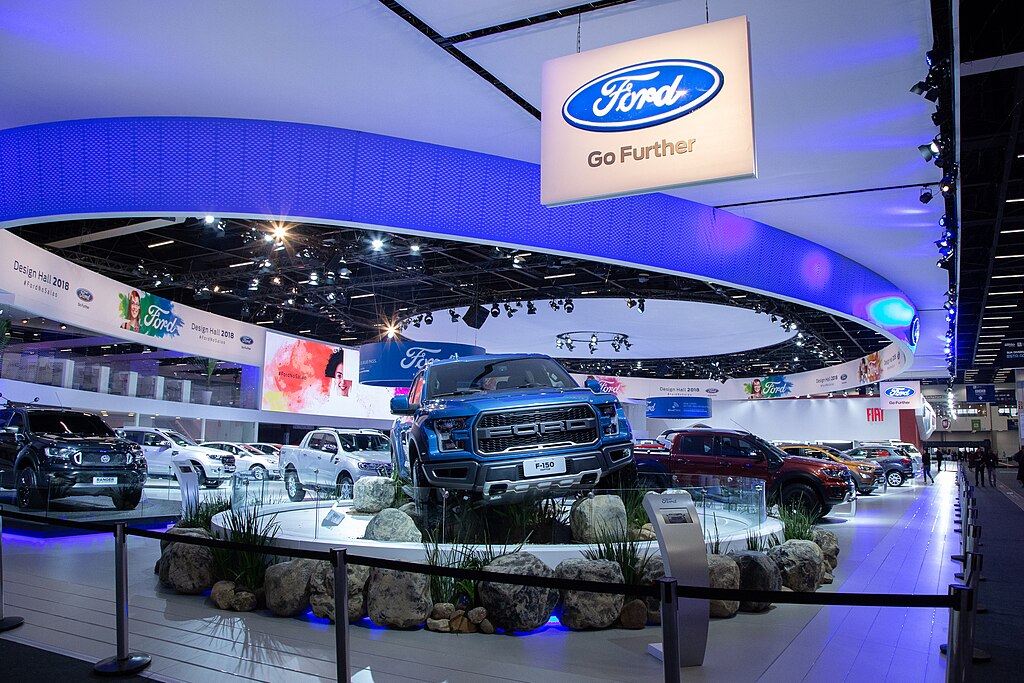
American automobile manufacturers are raising alarms over what they describe as deliberate European Union barriers preventing some of their most iconic and best-selling pickup trucks from entering the European market. Models such as the Ford F-150, Chevrolet Silverado, and Ram 1500 — staples of the American automotive industry — are reportedly being kept off European roads due to regulatory restrictions imposed by Brussels, according to a Financial Times report published Wednesday.
The dispute is adding fresh tension to an already strained transatlantic trade relationship. U.S. carmakers argue that existing EU regulations are being used as a tool to effectively shut out American vehicles, particularly large pickup trucks that dominate sales domestically but face significant hurdles abroad.
Adding weight to the controversy, Andrew Puzder, the U.S. Ambassador to the European Union, voiced concern in a separate Financial Times interview, warning that proposed EU changes to vehicle safety standards could violate the underlying principles of the current trade agreement between the United States and the bloc. Puzder suggested that if the new safety rules result in blocking certain American-made vehicles from being legally sold in Europe, they could be interpreted as a breach of the deal's spirit, if not its letter.
The situation underscores a broader conflict over market access and regulatory alignment between Washington and Brussels. While the EU maintains that its safety and environmental standards apply equally to all automakers, U.S. manufacturers believe the rules disproportionately target vehicles designed primarily for the American market.
Reuters has not independently verified the details of the Financial Times report, and EU officials have yet to issue a formal response. Industry observers will be closely watching how both sides navigate this growing dispute, particularly as trade negotiations between the U.S. and Europe continue to evolve.







