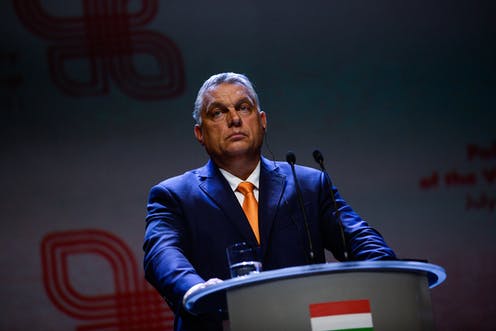
After more than a decade and a half in power, Hungarian Prime Minister Viktor Orban has been voted out of office following a decisive victory by the centre-right Tisza party in Sunday's national election. The political upset marks one of the most consequential democratic shifts in Central Europe in recent memory.
Tisza's leader Peter Magyar, 45, secured a commanding majority in Hungary's 199-seat parliament, with projections showing his party capturing approximately 138 seats — surpassing the two-thirds threshold needed to reverse Orban's sweeping constitutional changes and tackle systemic corruption. Record voter turnout reflected the widespread belief among Hungarians that this election represented a rare and critical turning point.
Addressing an enormous crowd gathered along the Danube embankment in central Budapest, Magyar declared that Hungary had reclaimed its future, framing the result as a decisive step toward closer alignment with the European Union and Western democratic values. Throughout his campaign, he consistently positioned the election as a choice between European integration and authoritarian isolation.
The 62-year-old Orban, long regarded as a pioneer of so-called "illiberal democracy," conceded defeat, acknowledging the outcome as painful but clear. His tenure had drawn mounting criticism over economic stagnation, democratic backsliding, and close ties to the Kremlin — concerns that ultimately alienated a growing share of Hungarian voters.
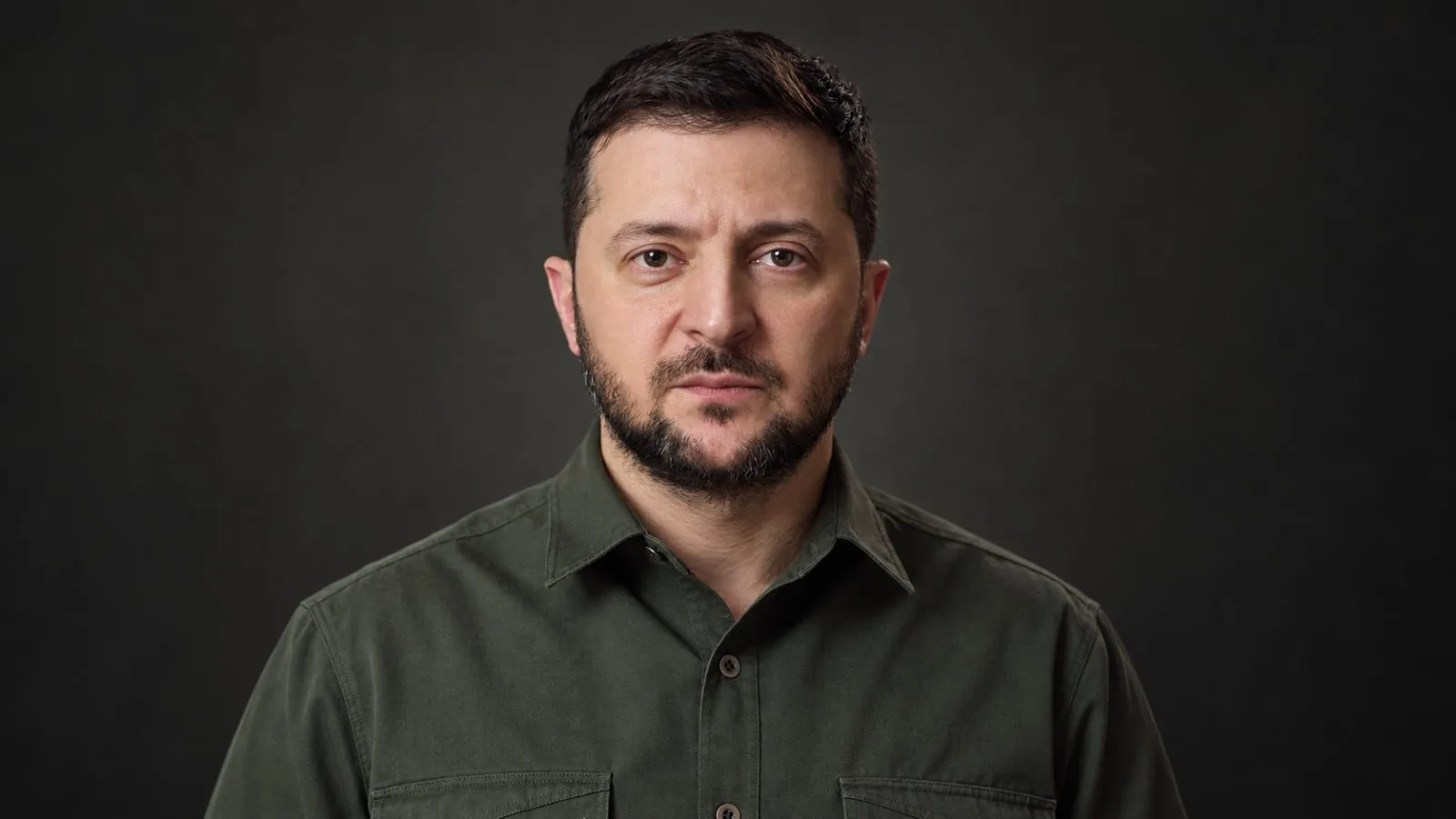
The international fallout is already unfolding. European leaders anticipate that Magyar's government will unblock a previously vetoed 90 billion euro financial package for Ukraine and restore Hungary's standing within EU institutions. Ukrainian President Volodymyr Zelenskiy and European Commission President Ursula von der Leyen both offered congratulations, welcoming the prospect of a more cooperative Hungary on the global stage.
Orban's defeat also weakens a key node in the broader network of nationalist leaders aligned with Russia's Vladimir Putin and figures within former U.S. President Donald Trump's political orbit.