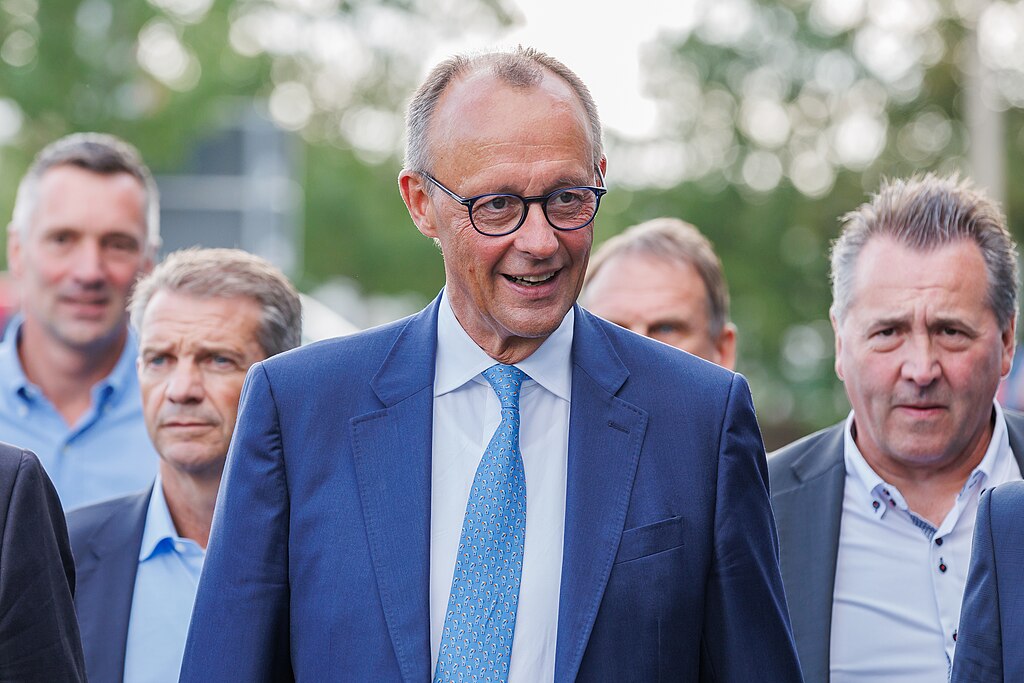
German Chancellor Friedrich Merz voiced doubts on Friday about whether the United States and Israel have a coherent endgame strategy for their ongoing military campaign against Iran, while signaling that Germany stands ready to play a stabilizing role once hostilities come to an end.
Speaking at a conference organized by the FAZ newspaper, Merz questioned the effectiveness of the joint U.S.-Israeli operations that began on February 28. Since those strikes commenced, Iran has retaliated with attacks on Israeli targets, American military bases, and Gulf states, while simultaneously choking off a significant portion of Middle East energy exports by restricting passage through the Strait of Hormuz — a critical global shipping lane.
"I'm just not convinced that what's happening right now will actually lead to success," the chancellor stated plainly, reflecting broader European hesitation to back the military campaign. Washington has grown increasingly frustrated with European allies over their reluctance to take a firmer stance, with President Donald Trump openly criticizing their non-involvement.
Despite this tension, Berlin remains diplomatically active. Merz confirmed that Germany is engaged in back-channel discussions with Gulf nations and within G7 frameworks, with Washington showing some willingness to find common ground. He acknowledged, however, that Germany's attempts to moderate Israeli actions have yielded only limited results.
In a recent phone call with Trump, Merz said he emphasized that the conflict is not a NATO obligation — a message he believes the U.S. president received and understood.
Looking further ahead, Merz indicated that Germany could potentially contribute to securing the Strait of Hormuz, possibly through mine-clearing operations, but only under a legitimate international mandate and with formal approval from the German parliament. He was careful to stress that such involvement remains a distant prospect and is entirely off the table while active combat continues.