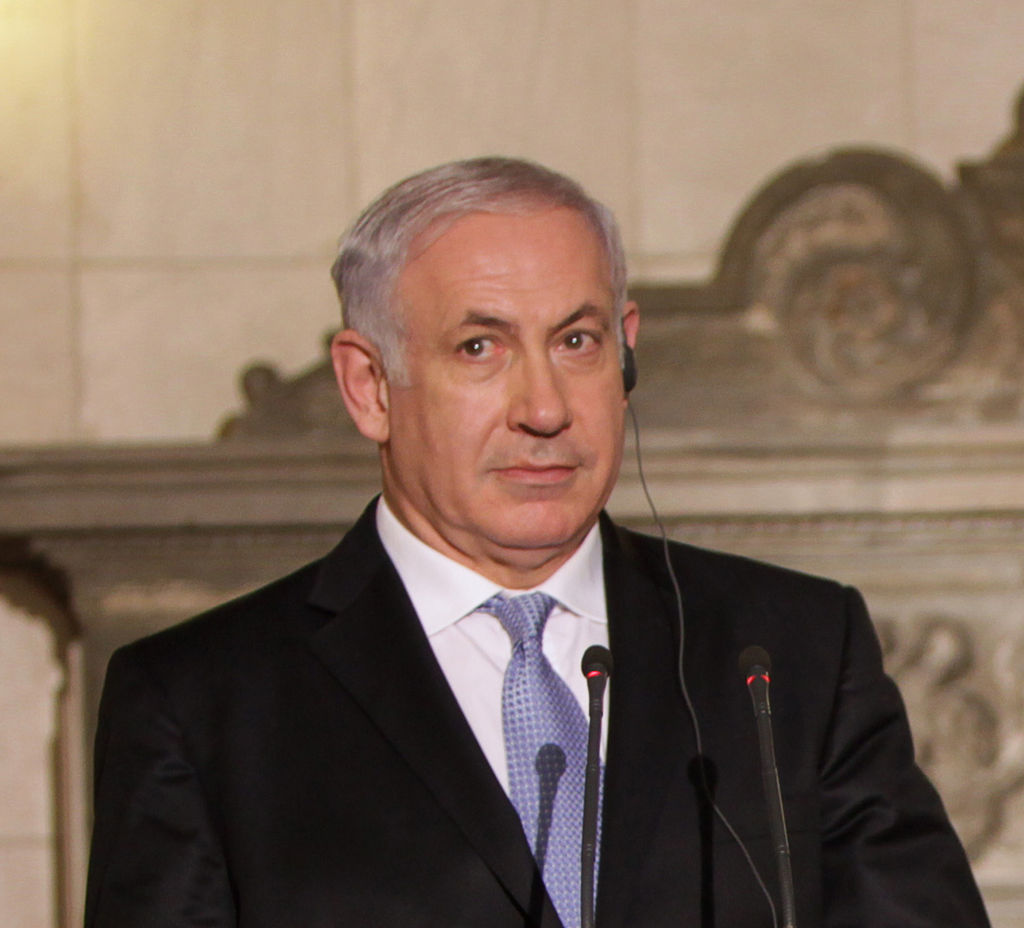
Israeli Prime Minister Benjamin Netanyahu has instructed the country's military to expand its control over Gaza, setting an initial target of seizing 70% of the Palestinian territory. The announcement comes as Israel continues its military operations in Gaza amid ongoing tensions with Hamas and a fragile U.S.-brokered truce.
According to recent estimates, Israel currently controls around 64% of the Gaza Strip. The territory has suffered widespread destruction following nearly two years of conflict that began after the Hamas-led attack on southern Israel in October 2023. Under the ceasefire framework negotiated with U.S. involvement, Israeli forces were expected to withdraw to a designated "Yellow Line," which would have left Israel controlling approximately 53% of Gaza while Hamas maintained authority over the remaining areas.
However, reports indicate that Israeli forces have expanded beyond the originally agreed boundaries. Updated military maps released earlier this year showed a larger restricted zone, effectively increasing Israeli-controlled territory to about 64% of Gaza. Netanyahu has repeatedly referenced this figure in public statements and now aims to push that percentage even higher.
Speaking at a conference in the West Bank, Netanyahu stated that Israeli control had already increased from 50% to 60% and emphasized a step-by-step approach toward reaching 70%. He said the strategy is designed to intensify pressure on Hamas and eliminate remaining militant strongholds.
Israel describes the territories it controls in Gaza, as well as areas in Syria and Lebanon, as security buffer zones intended to prevent future attacks. Palestinian officials and residents, however, argue that the expansion of these zones could lead to long-term displacement and further reduce the land available to Gaza's population.
The announcement coincides with intensified Israeli airstrikes targeting senior Hamas leaders. Israeli forces recently killed key commanders from Hamas' armed wing, while Gaza health authorities report that hundreds of Palestinians have been killed since the truce began. A strike during the Eid al-Adha holiday reportedly killed at least 10 people, including children, highlighting the ongoing humanitarian challenges facing civilians in the region.
As ceasefire negotiations remain stalled, the future of Gaza continues to be a central issue in the broader Israel-Hamas conflict, drawing international attention and concern over regional stability and humanitarian conditions.