


 SEC Probes Banks Over Situational Awareness Hedge Fund Collapse
  UK PM Andy Burnham Set for First Trump Meeting in New York
  Saudi Arabia Raises Security Alerts as Houthi Attacks Threaten Oil Routes
  US Resumes Immigrant Visa Processing for Hungary, Poland
  Paris Talks Focus on Lebanon Army Needs as UNIFIL Exit Looms
  France Targets Shein, Temu With Fast-Fashion Fees
  Trump Threatens EU Tariffs Over Canada Membership Proposal
  U.S. Imposes New Visa Restrictions Over South Africa Policies
  U.S. Probes Apex Logistics Over Nvidia AI Chip Shipments to China
  Europe can’t achieve space sovereignty alone. Here’s why
  Rodrigo Duterte Makes First Public Appearance at ICC in 18 Months
  Australia Tightens Student Visa Rules, Targets Migration Cut by 2028
  US Bans Canadian Alcohol, Motorcycles as Trade War Escalates
  Guterres Urges Stronger Global AI Safeguards Ahead of UN Assembly
  Synthetic data could ease people’s concerns about privacy breaches. But who gets to create it?
  North Korea Vows to Expand Nuclear Arsenal Amid U.S.-Led Military Buildup
  What is Zionism? The different meanings of a contested term


 Add as a preferred source on Google
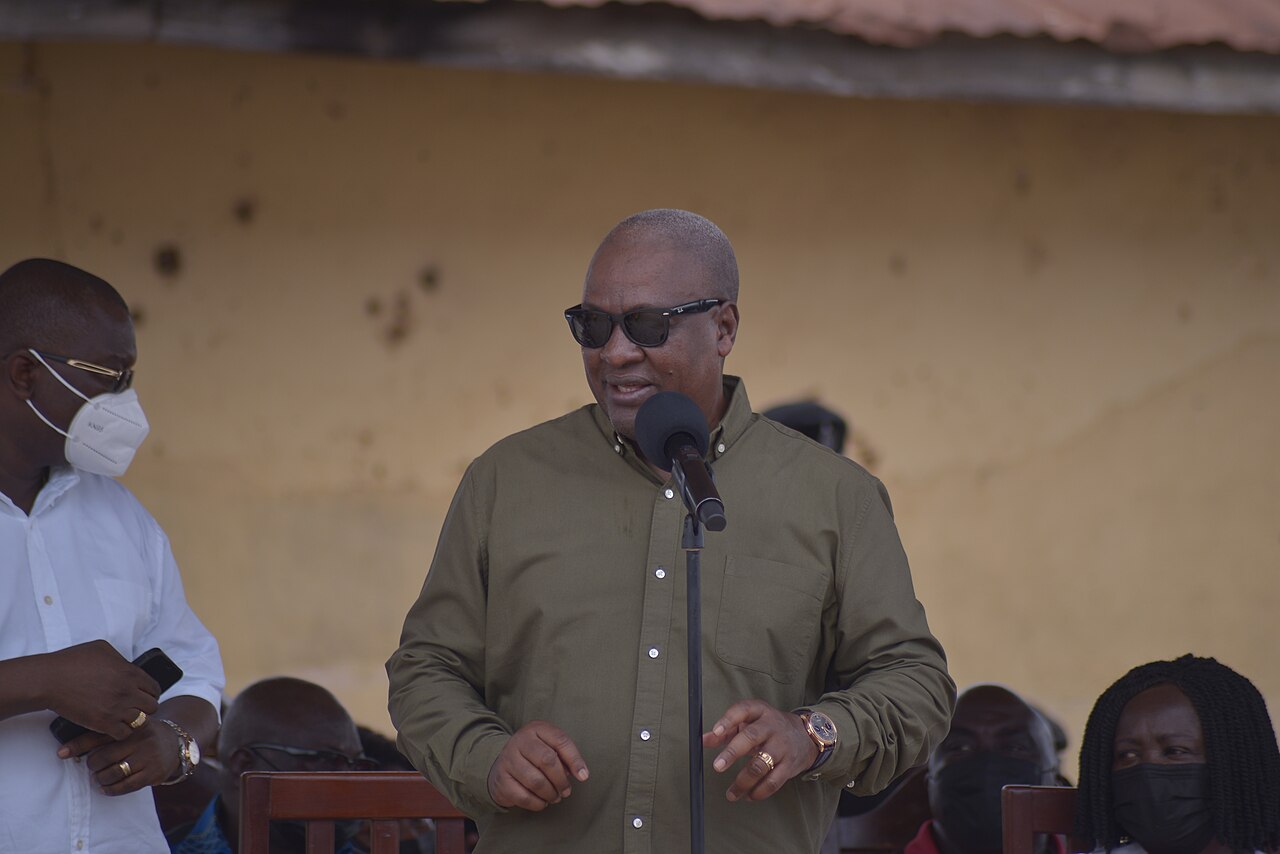
Ghana has declined to sign a proposed bilateral health agreement with the United States, citing concerns over sensitive health data sharing, according to a source familiar with the negotiations. The decision marks another setback for Washington’s broader push to reshape foreign aid under its “America First Global Health Strategy.”
The government of President John Dramani Mahama reportedly objected to provisions that would require Ghana to share confidential health information. Similar concerns have already derailed negotiations with Zimbabwe and led to legal challenges in Kenya, where a court temporarily halted a comparable agreement following a case filed by a consumer protection group.
Despite multiple requests, officials from Ghana’s government and foreign ministry have not publicly commented on the matter. Meanwhile, the U.S. State Department has maintained that it does not disclose details of ongoing bilateral negotiations but emphasized its commitment to strengthening diplomatic ties with Ghana.
The proposed deal, which negotiations began on last November, was expected to provide approximately $109 million in U.S. health assistance over five years. However, the financial obligations for Ghana under the agreement remain unclear. Sources indicate that discussions were initially routine but later intensified, with increased pressure from Washington to finalize the deal before an April 24 deadline. Ultimately, Ghana chose not to proceed.
The rejection comes as the U.S. continues to overhaul its foreign aid approach, encouraging developing nations to take greater responsibility for combating diseases such as HIV/AIDS, malaria, tuberculosis, and polio. The strategy also emphasizes transitioning countries away from long-term aid dependency toward self-reliance.
In 2024, the U.S. provided Ghana with $219 million in total foreign assistance, including $96 million allocated to health programs. As part of the new initiative, the U.S. has already signed 32 agreements worldwide, totaling $20.6 billion in funding, with contributions from both Washington and partner countries. Additional agreements are expected in the near future, according to U.S. officials.







