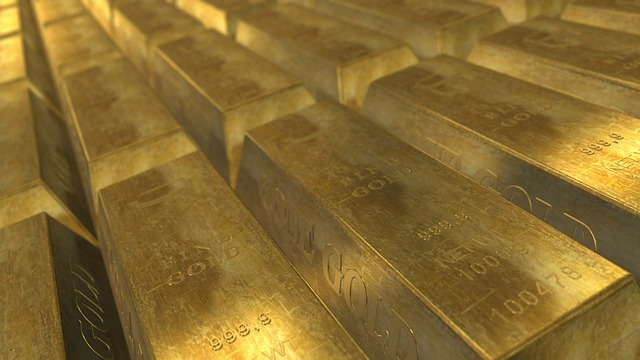
Gold prices fell sharply during Asian trading on Monday, hitting their lowest level in nearly one and a half months as rising global bond yields and escalating tensions between the United States and Iran weakened investor demand for precious metals. The decline reflects growing concerns that prolonged geopolitical conflict could fuel inflation and keep interest rates elevated for longer.
Spot gold dropped 1.3% to $4,483.67 per ounce by 20:44 ET (00:44 GMT), hovering near levels last seen in late March. Gold futures also slipped 1.7% to $4,484.82 per ounce. The downturn in the gold market came as government bond yields surged across major economies, reducing the appeal of non-yielding assets such as gold.
U.S. 10-year Treasury yields climbed to a one-month high, while Japan’s 10-year government bond yields touched their highest level in nearly three decades. Investors increasingly expect that rising energy prices linked to Middle East tensions could trigger stronger inflationary pressures worldwide. As a result, markets are anticipating more aggressive monetary policies and higher interest rates from central banks.
Higher interest rates typically hurt gold prices because they increase the opportunity cost of holding bullion compared to interest-bearing investments. The stronger U.S. dollar also added pressure on precious metals, making gold more expensive for international buyers.
Other metals also moved lower during the session. Spot silver declined 1.9% to $74.5840 per ounce, while platinum eased 0.3% to $1,972.05 per ounce.
Meanwhile, geopolitical tensions remain elevated after U.S. President Donald Trump warned that time was running out for Tehran to agree to a peace deal. Reports suggest the United States and Israel are considering renewed military action against Iran as diplomatic negotiations continue to stall. Investors are closely monitoring developments in the Middle East, as further escalation could significantly impact inflation, energy markets, and global financial stability in 2026.