The conflict between the United States and Iran intensified over the weekend as both sides exchanged heavy missile and drone attacks, raising fears of a prolonged regional crisis and renewed disruption to global energy supplies through the Strait of Hormuz.
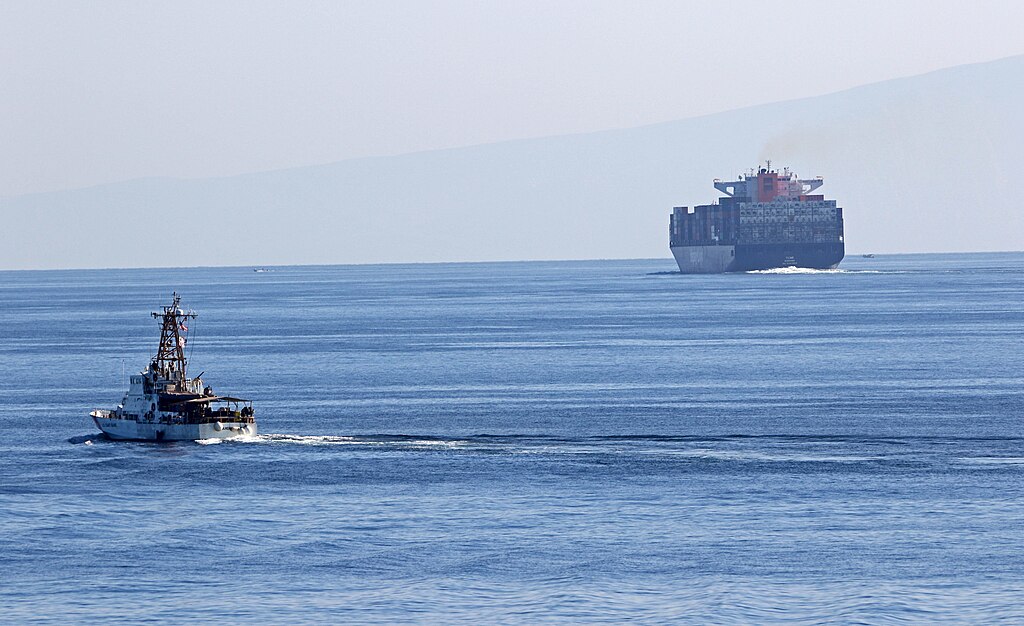
Iran launched strikes targeting U.S. military facilities across several Gulf states, including Qatar and the United Arab Emirates, while also claiming it had once again closed the Strait of Hormuz, a vital shipping route that handles roughly one-fifth of the world's oil and liquefied natural gas exports. The latest escalation has cast serious doubt on the interim U.S.-Iran agreement signed last month, which aimed to reopen the waterway and create a path toward a broader peace deal.
In response, U.S. Central Command confirmed it launched additional military strikes against Iranian targets on Sunday, saying the operations were intended to weaken Iran's ability to threaten commercial shipping. The U.S. military also reported intercepting an Iranian cruise missile and a one-way attack drone. President Donald Trump said the U.S. was gaining the upper hand, telling Reuters, "We're beating them up."
Iranian officials reported explosions near the strategic ports of Bandar Abbas and Sirik, while Tehran accused Washington of undermining diplomatic efforts through pressure on Oman, which had hosted recent negotiations over maritime security.
The escalating conflict has rattled global energy markets. Brent crude climbed above $78 per barrel as investors worried that continued instability could disrupt oil exports and fuel inflation worldwide. Iran has also attempted to tighten control over shipping in the Strait of Hormuz by requiring vessels to obtain authorization before transiting the waterway.
Several Gulf countries reported missile or drone attacks, with Qatar, Bahrain, Jordan, Oman, Kuwait, and the UAE confirming security incidents or defensive interceptions. Maritime authorities warned of severe risks to commercial vessels, although the U.S. insisted shipping lanes remained open through alternative routes.
With military operations expanding and diplomatic efforts stalled, concerns are mounting that the U.S.-Iran conflict could further destabilize the Middle East and keep global oil markets under pressure.