U.S. stock index futures moved lower Sunday evening as escalating tensions between the United States and Iran unsettled investors, while attention shifted to a busy week of second-quarter corporate earnings from major banks and technology companies.
As of 7:16 p.m. ET, S&P 500 Futures fell 0.3% to 7,598.50, Nasdaq 100 Futures dropped 0.5% to 29,890.50, and Dow Jones Futures slipped 0.2% to 52,814.0.
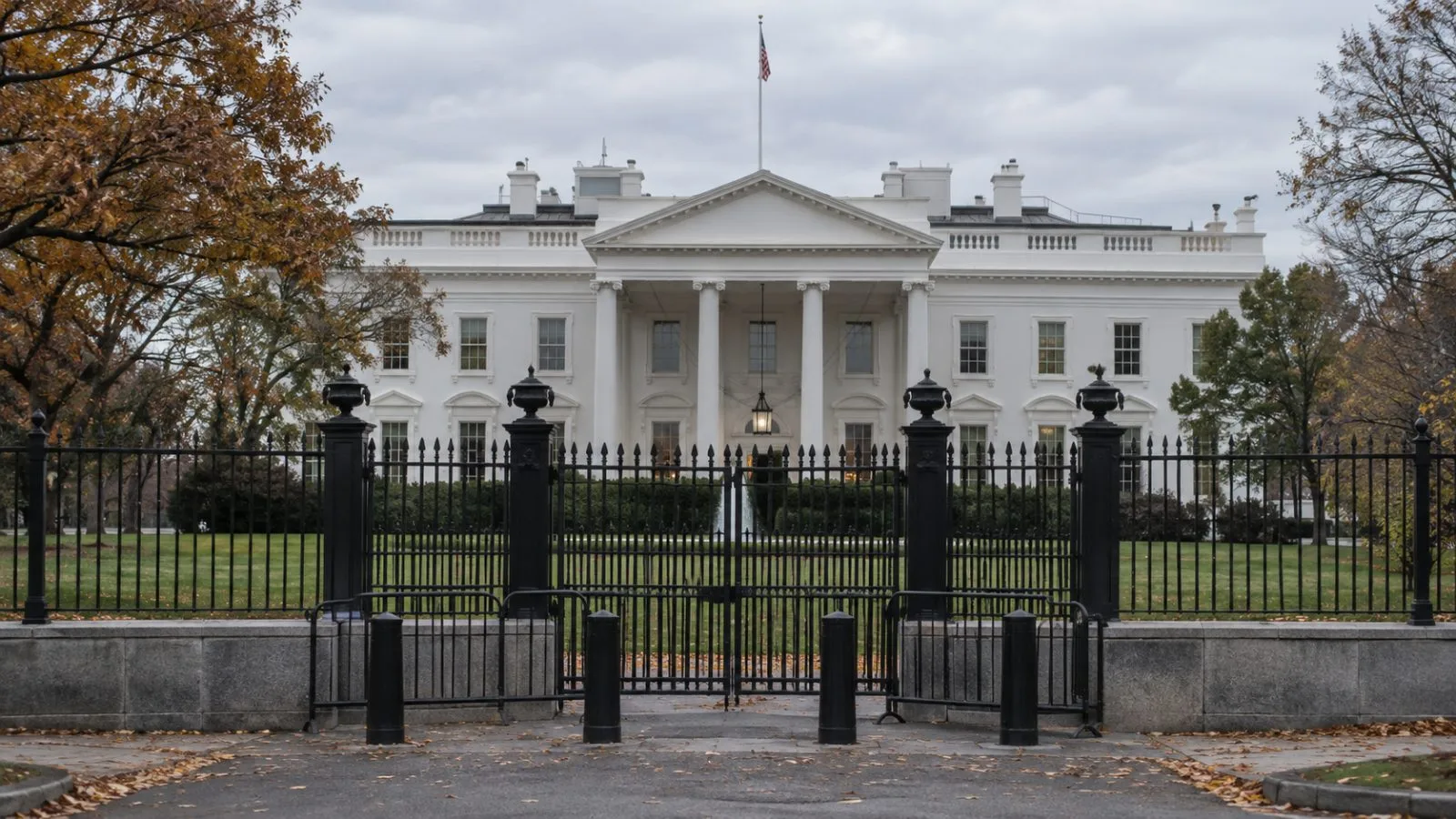
Investor sentiment weakened after both Washington and Tehran exchanged fresh military strikes over the weekend. The conflict also fueled uncertainty over the Strait of Hormuz, a vital global oil shipping route. Iranian officials claimed the waterway had been closed to commercial shipping, while U.S. Central Command (CENTCOM) maintained that the passage remained open.
The latest military escalation follows President Donald Trump's statement last week that the ceasefire with Iran had ended. Trump also indicated that Tehran had reached out seeking renewed diplomatic talks, creating mixed expectations about the direction of the conflict.
Oil prices climbed sharply in response to the renewed hostilities, although Brent crude remained below the highs recorded during the early stages of the U.S.-Iran conflict. Rising energy prices have heightened concerns about inflation and their potential impact on corporate profitability.
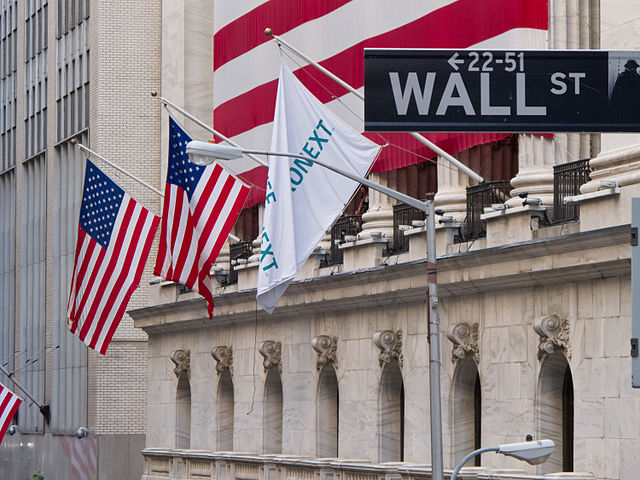
Despite geopolitical uncertainty, Wall Street ended Friday on a positive note. The S&P 500 finished close to a record high, while the Nasdaq Composite and Dow Jones Industrial Average each gained roughly 0.3%, supported in part by the strong Nasdaq debut of SK Hynix's U.S.-listed shares.
Markets are now focused on the start of the second-quarter earnings season. Major financial institutions, including JPMorgan Chase, Bank of America, Goldman Sachs, Wells Fargo, and Citigroup, are scheduled to release results on Tuesday. Morgan Stanley and Bank of New York Mellon will report Wednesday, while Johnson & Johnson, ASML, TSMC, UnitedHealth Group, GE Aerospace, and Netflix are also set to announce earnings later in the week.
Investors will closely examine whether corporate earnings remained resilient despite economic pressures stemming from the Middle East conflict, higher oil prices, and broader market uncertainty.