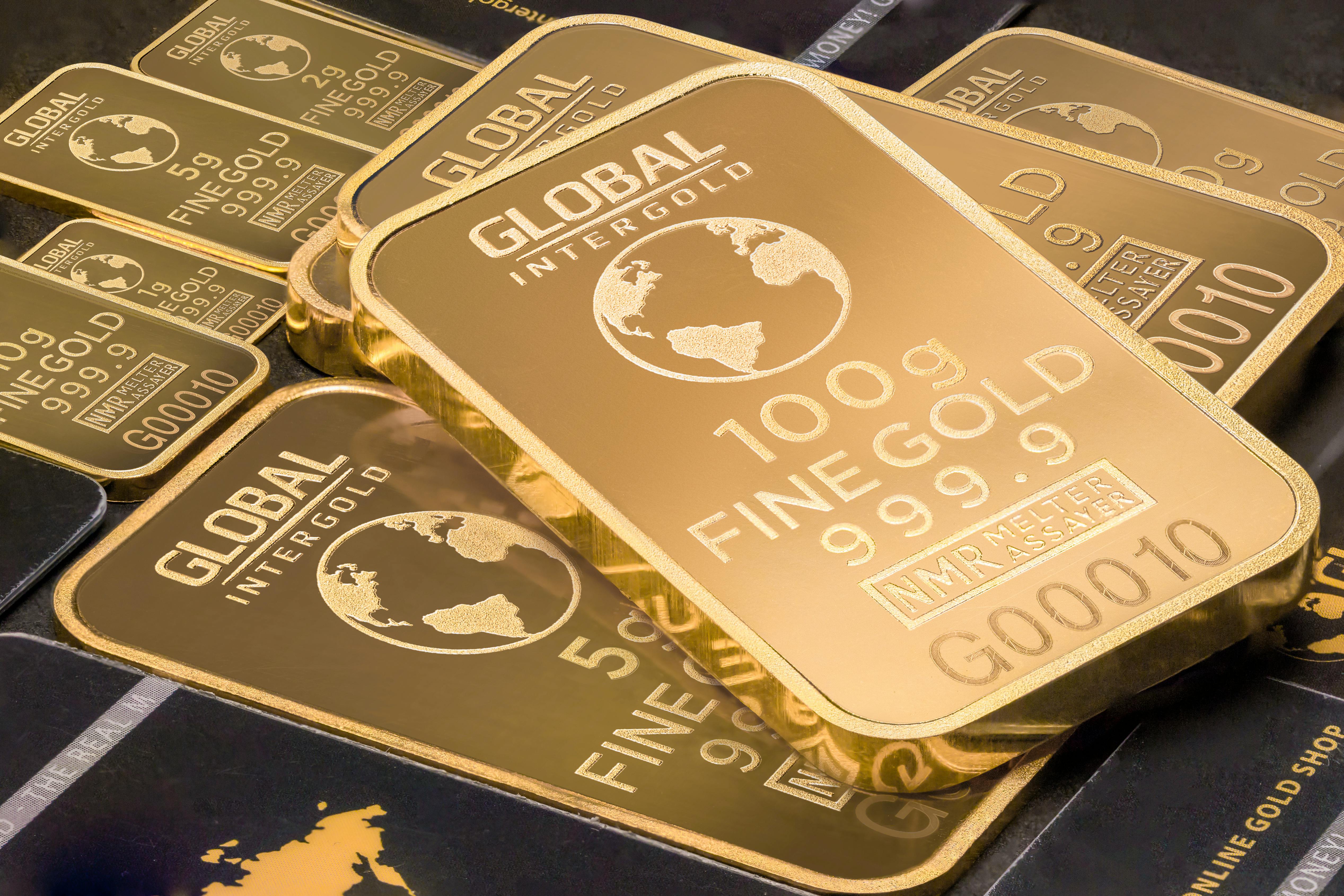
Spot gold prices surged more than 1% on Monday, reaching their first record high of 2026 at $4,563.61 per ounce, as investors flocked to the precious metal amid heightened geopolitical tensions and growing expectations of U.S. interest rate cuts. The rally underscores gold’s enduring appeal as a safe-haven asset during periods of economic and political uncertainty, while also reflecting shifting market sentiment around U.S. monetary policy.
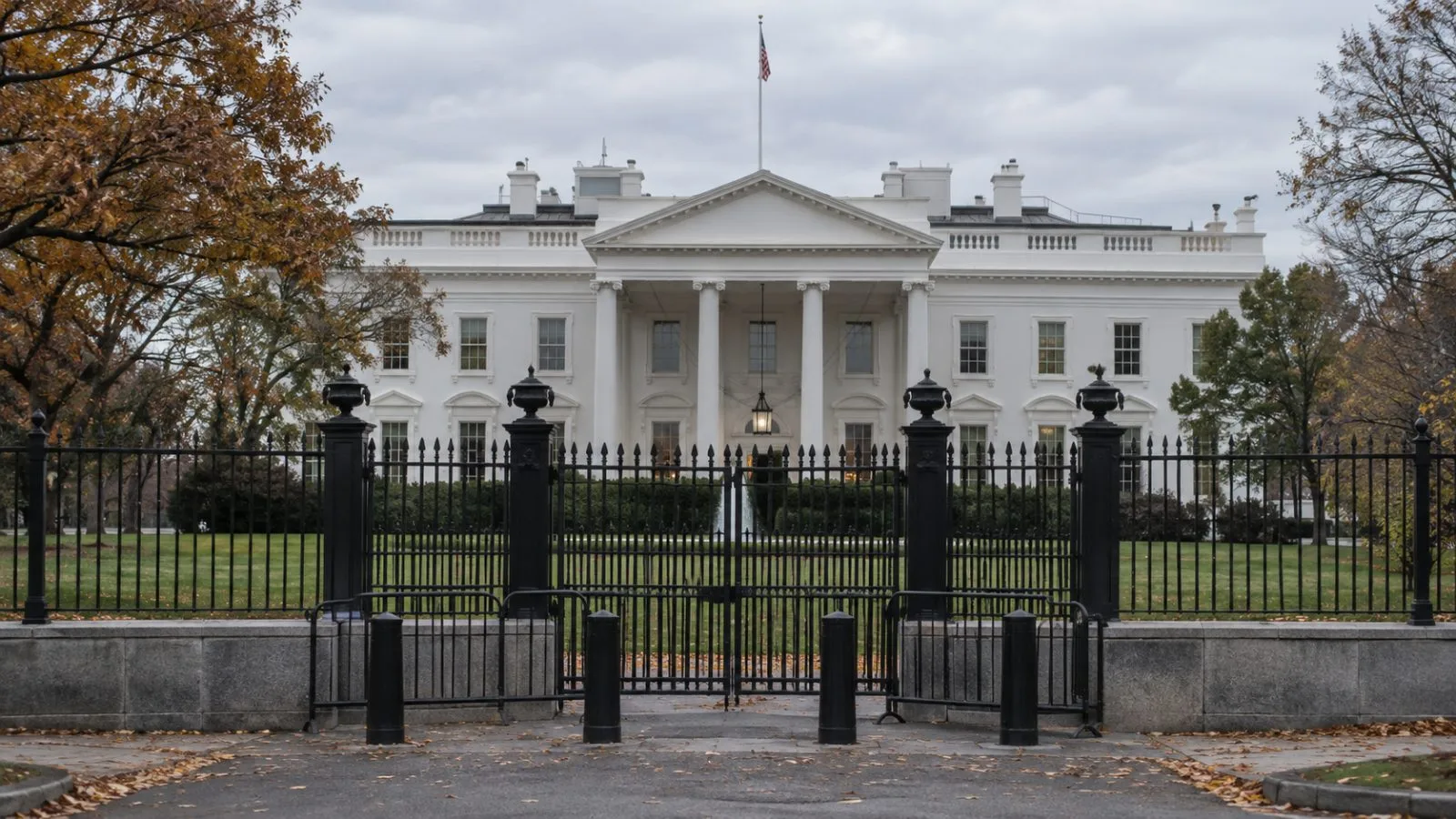
The latest rise in gold prices was largely driven by escalating geopolitical risks, which prompted investors to seek stability in traditionally defensive assets. Ongoing global conflicts, diplomatic strains, and concerns over broader economic fallout have fueled risk aversion across financial markets, boosting demand for gold. Historically, gold tends to perform well during times of uncertainty, and the current environment has reinforced its role as a hedge against volatility.
Adding to the bullish momentum was a weaker-than-expected U.S. jobs report released on Friday. The disappointing employment data signaled potential slowing in the world’s largest economy, strengthening market bets that the U.S. Federal Reserve may begin cutting interest rates sooner than previously anticipated. Lower interest rates typically benefit gold prices, as the metal does not yield interest and becomes more attractive when borrowing costs decline and the opportunity cost of holding non-yielding assets falls.
The U.S. dollar’s movement and Treasury yields also played a supporting role in gold’s ascent. Softer economic data has weighed on yields, making gold comparatively more appealing to global investors. At the same time, inflation concerns remain in focus, with gold often viewed as a store of value during periods of currency debasement or persistent price pressures.
Market analysts note that gold’s record-breaking performance reflects a convergence of macroeconomic factors, including geopolitical instability, shifting interest rate expectations, and investor demand for portfolio diversification. As uncertainty continues to shape global markets, gold prices may remain elevated, with investors closely monitoring upcoming economic data and signals from the Federal Reserve for further direction.
With safe-haven demand firmly in place and monetary policy expectations evolving, gold’s strong start to 2026 highlights its continued relevance in navigating an increasingly complex global economic landscape.