Gold prices steadied during Asian trading on Thursday after surging more than 2% in the previous session, as thin liquidity from Lunar New Year holidays limited further upside. Investors continued to weigh persistent geopolitical tensions and mixed signals from the Federal Reserve, both key drivers of the precious metals market.
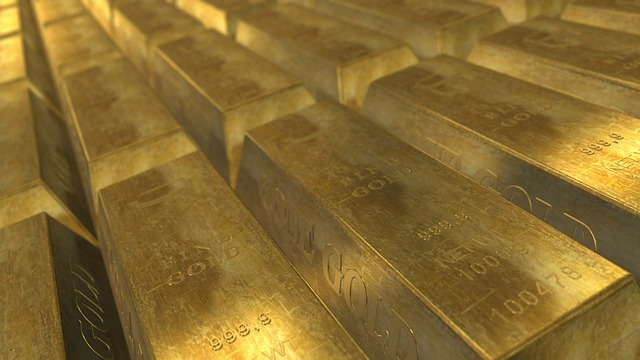
Spot gold edged down 0.1% to $4,971.55 per ounce, while U.S. gold futures slipped 0.4% to $4,991.59. In the prior session, bullion rallied 2.1% and briefly crossed the $5,000 per ounce mark, recovering most of the losses recorded earlier in the week. However, reduced trading volumes across major Asian markets amplified short-term price movements and curbed momentum.
Safe-haven demand remains strong as geopolitical risks intensify. Market participants are closely monitoring rising tensions between the United States and Iran, particularly concerns surrounding maritime security in the Strait of Hormuz and stalled nuclear negotiations. Ongoing uncertainty in Russia-Ukraine peace efforts has also reinforced global security concerns, supporting demand for gold as a hedge against instability.
Meanwhile, investors digested minutes from the Federal Reserve’s latest policy meeting, which revealed divisions among policymakers regarding the future path of interest rates. Some officials signaled that additional tightening could be necessary if inflation remains persistent, while others suggested that rate cuts could be possible later in the year.
The prospect of higher-for-longer U.S. interest rates boosted the U.S. dollar and Treasury yields, pressuring non-yielding assets like gold. The U.S. Dollar Index held steady after climbing 0.6% overnight following the release of the Fed minutes. Rising yields typically increase the opportunity cost of holding gold, limiting its upside potential.
Traders now await the upcoming U.S. Personal Consumption Expenditures (PCE) price index data, the Federal Reserve’s preferred inflation gauge, for clearer signals on monetary policy and the direction of gold prices.