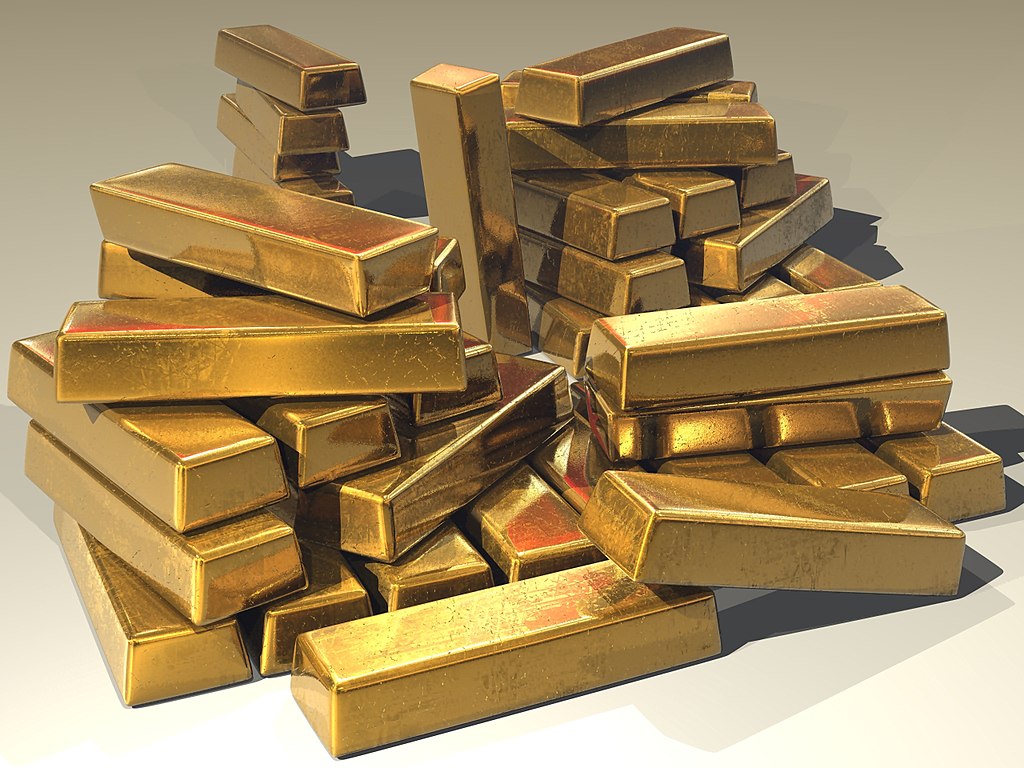
Gold prices edged higher in Asian trading on Wednesday, hovering just below the record highs reached in the previous session, as a combination of easing U.S. inflation data, expectations of future Federal Reserve rate cuts, and escalating geopolitical tensions supported demand for safe-haven assets. Spot gold rose 0.7% to $4,623.55 per ounce, after touching an all-time high of $4,634.33 on Tuesday. U.S. gold futures for March delivery also advanced 0.6% to $4,627.10 per ounce, reflecting continued investor appetite for precious metals.
The rally in gold was underpinned by fresh U.S. consumer price index data released on Tuesday, which came in below market expectations. Core CPI increased by just 0.2% in December and stood at 2.6% year-on-year, reinforcing the view that inflationary pressures are cooling. As a result, financial markets are increasingly confident that the Federal Reserve will begin cutting interest rates later this year, with traders now pricing in around two rate cuts in 2026. Lower interest rates typically benefit non-yielding assets such as gold by reducing the opportunity cost of holding bullion.
Silver prices significantly outperformed gold, surging nearly 3% to a fresh record high of $90.04 per ounce. Strong industrial demand, coupled with rising safe-haven flows, has added momentum to silver’s rally. Platinum also posted sharp gains, rising 4% to $2,415.21 per ounce and nearing the record levels seen last month, highlighting broad-based strength across the precious metals complex.
Geopolitical risks further boosted gold prices, as Iran faces intensifying anti-government protests that have reportedly resulted in around 2,000 deaths. Fears of wider instability in the Middle East have driven investors toward safe-haven assets. U.S. President Donald Trump added to market unease by warning of potential military action, threatening a 25% tariff on countries doing business with Iran, and publicly encouraging protesters to escalate pressure on Iran’s leadership.
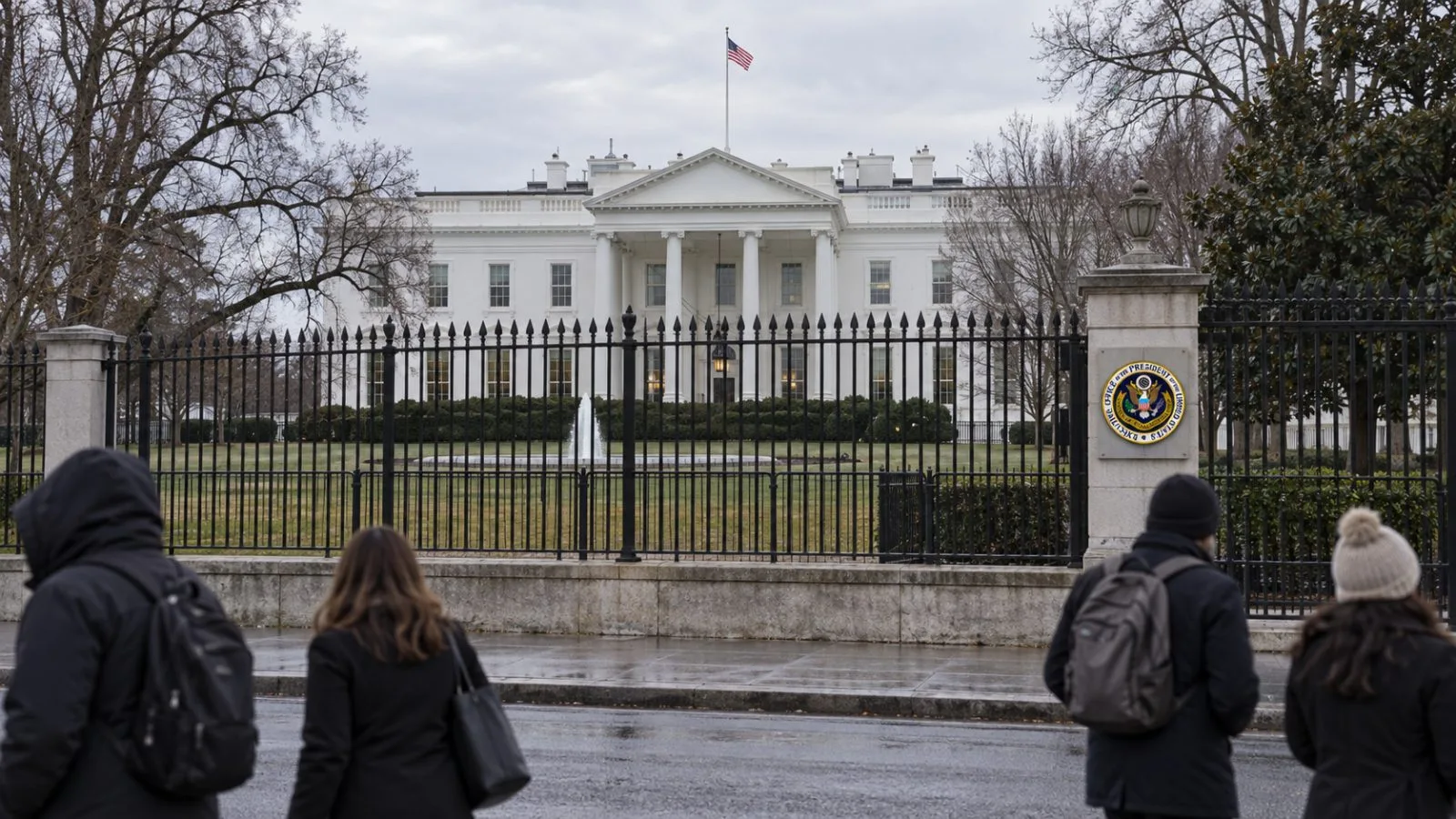
Additional support for gold came from concerns over the independence of the U.S. Federal Reserve, following the Trump administration’s decision to open a criminal investigation involving Fed Chair Jerome Powell. While the move unsettled investors, senior central bankers and major financial executives voiced strong support for Powell, emphasizing the importance of safeguarding the Fed’s autonomy. Together, these economic and geopolitical factors continue to provide a strong foundation for elevated gold prices.