Gold prices surged past the historic $5,000 per ounce mark early Monday, extending a powerful rally fueled by heightened geopolitical tensions, currency market volatility, and growing investor demand for safe-haven assets. The precious metal’s sharp rise followed a turbulent week in global markets marked by concerns over Greenland, escalating pressure on Iran, and violent swings in the Japanese yen.
Investor anxiety was compounded by sharp moves in foreign exchange markets, particularly the yen, which strengthened around 0.5% to 154.84 per dollar. The sudden move followed intense volatility on Friday that sparked speculation of potential intervention by Japanese authorities. According to sources cited by Reuters, the New York Federal Reserve conducted rate checks, a step often seen as a precursor to coordinated U.S.-Japan currency intervention aimed at curbing excessive yen weakness.
Equity markets reacted cautiously as Japan’s Nikkei fell 1.6% in early trade, while U.S. stock futures also edged lower ahead of the Federal Reserve’s upcoming policy meeting. Market sentiment remains fragile following last week’s sharp bond market selloff and amid uncertainty surrounding U.S. monetary policy, especially with the Fed expected to hold rates steady.
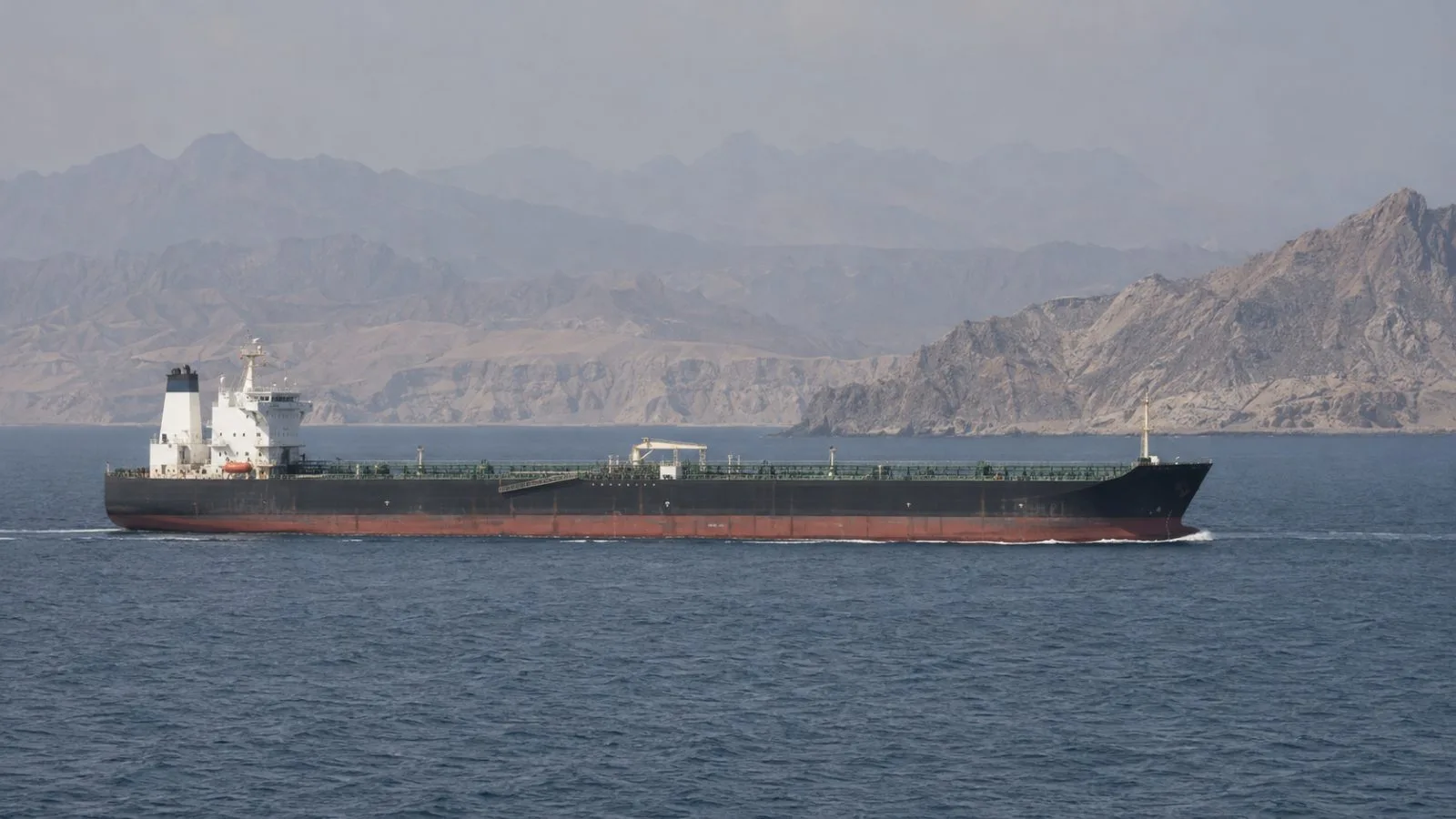
Geopolitical risks continue to weigh heavily on investor confidence. While U.S. President Donald Trump temporarily eased market fears by softening tariff rhetoric and downplaying aggressive action on Greenland, fresh sanctions targeting Iran have reignited concerns. Increased pressure on Iran has pushed oil prices higher and further boosted demand for gold, which is increasingly viewed as a hedge against geopolitical and financial instability. Silver and other precious metals have also posted strong gains this year.
Meanwhile, the U.S. dollar index hovered near a four-month low after its biggest one-day drop since August, adding further support to commodities priced in dollars. Oil prices eased slightly after last week’s rally, as traders weighed the impact of new sanctions on Iranian oil shipments.
With markets on edge, investors are closely watching central bank actions, currency intervention risks, and geopolitical developments, all of which continue to drive volatility across global financial markets.