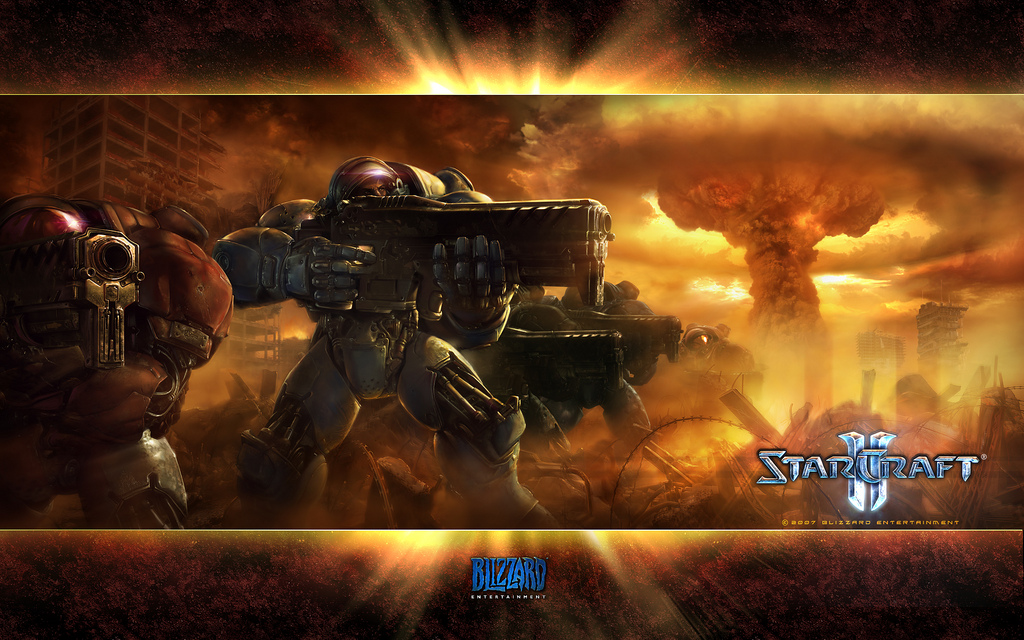
Google and Blizzard made a surprise announcement at the recent Blizzcon event in California. Through the machine learning platform DeepMind, the two companies will teach artificial intelligence to play StarCraft II. In doing so, the tech and gaming giants are hoping to teach algorithms to adapt to real-world scenarios and process data much closer to how humans do.
AIs have been beating professionals at Chess and its more complex Japanese counterpart Go for some time now, The Verge reports. However, the set rules and rigidity of the patterns when playing both games are no longer enough to help machines learn flexible thinking. This is where real-time strategy games like StarCraft comes in.
The title might be several years old, but it still maintains a high standpoint within the e-sports industry. Fiercely competitive, StarCraft II competitions have been mired with controversies, including match fixings and cheating.
The game itself is highly complex, with evolving resource management, predicting enemy movements, and controlling several classes of troops to gain a strategic advantage over opponents. These aspects are precisely why both Google and Blizzard want to put AI through the ringer using the title.
In a blog post, DeepMind explained what the arrangement will involve, noting how the complexities in playing the strategy platform mirror the messiness of the real world. To that end, Blizzard is providing the machine learning arm of Google with tools that will allow AIs to control combatants as humans would.
This is also good news for those who are involved in the industry of logistics networking. As Fortune notes, even the most powerful computers are still having trouble providing fast, effective solutions the way humans would. The biggest challenge lies in the simple fact that humans have the ability to make decisions via subconscious data-processing; i.e. intuition. By playing StarCraft II, researchers are hoping that AIs can develop something similar.