


 Nvidia’s China AI Chip Market Share Falls to 34% as Huawei Gains Ground
  Binance to Shut Down Crypto Mining Pool Services on November 10
  Moonshot AI Executives Seek Settlement Ahead of Hong Kong IPO
  Samsung, SK Hynix Shares Plunge as China Chip Competition Grows
  Canton Network Expands Wall Street Reach With Ripple Integration
  Crypto Derivatives Dashboard: Bulls Retain Control Amid $488M Liquidation Flush
  Albertsons Seeks $9.3 Billion From Kroger Over Failed Merger
  Interactive Brokers Launches Ethereum Staking With Zerohash
  Nvidia Invests in Four French AI Companies to Expand European Presence
  Bank of America Hit With $1.2 Billion Fine Over Money Laundering Failures
  Trump Buys Up to $25M in Meta Stock, Invests in SpaceX Debt
  MNX Crypto Exchange Launches Futures for OpenAI, Anthropic Valuations
  Arm Breaches Qualcomm License Deal, Jury Awards $2
  Zcash Plans Quantum-Resistant Security Upgrade for January
  Arthur Hayes Announces FLOP Testnet Launch Within Weeks


 Add as a preferred source on Google
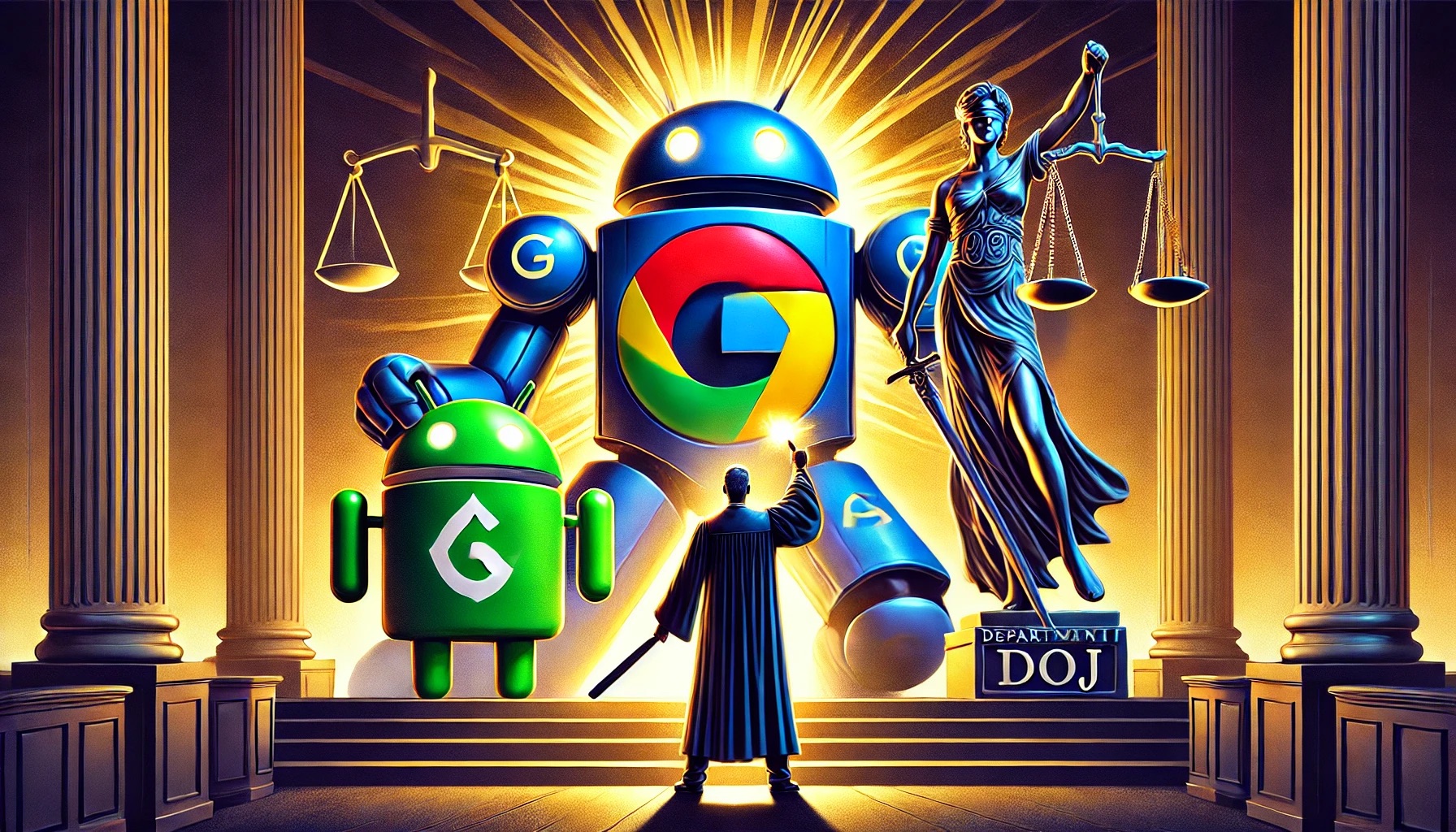
The Department of Justice has urged a federal judge to make Google sell its Chrome browser and Android OS, among other remedies, to break its dominance in online search. The DOJ says drastic measures are needed to restore fair competition in the tech sector.
DOJ Recommends Chrome Sale to Address Search Monopoly
A federal judge has been advised by the Department of Justice that Google sell its Chrome browser business as part of the search monopoly case that is now underway. Late Wednesday, the Department of Justice submitted a document to the District Court in Washington, DC, outlining its plans to level the playing field in search. Among other things, the document suggested that Google spin out its Chrome browser.
Google detailed its reaction to the application in a long blog post, calling the idea "staggering."
Google, which is owned by Alphabet, was found guilty of violating antitrust laws by illegally retaining its search monopoly three months earlier. According to the ruling, Google is cutting off competitors' chances of competing by making its own search engine the default on devices. This prevents users from having access to alternative options.
Selling Chrome and Limiting Partnerships
Selling Chrome is one way Google might get back into the search engine market, according to the DOJ. The government is also requesting that Mehta limit Google's partnerships with companies that promote its search engine on mobile devices, like its ongoing partnerships with Samsung and Apple.
In addition, the DOJ requested that Mehta instruct Google to divest itself of the Android phone OS or cease demanding special treatment for its services on Android phones. One of the solutions it suggests is that Google should not have any ownership in competing generative AI chatbots, which are AI products that use queries as their basis.
"The promise of new technologies, including advances in artificial intelligence ('AI'), may present an opportunity for fresh competition. But only a comprehensive set of remedies can thaw the ecosystem and finally reverse years of anticompetitive effects," the government said in its report Wednesday.
Google preferred search distribution deals with other big internet businesses as a remedy, as it explained in its blog post.
Remedies Trial and Future of Big Tech
According to CNET, the case will go to a two-week remedies trial in April of next year. Considering the suggestions offered by the Department of Justice, Judge Amit Mehta—who handed down the original antitrust ruling—will have to figure out how to increase competition in the search industry.
Google is among the major US IT corporations currently facing antitrust lawsuits. Both Apple and Amazon have been hit with lawsuits alleging anticompetitive or monopolistic practices. More action against Big Tech, especially social media services, might occur in 2025 as a result of the nomination of a new chair of the Federal Communications Commission who has promised to target tech giants.







