


 US Suspends Microsoft, Adobe From Green Card Program
  SpaceX Seeks $40 Billion for Nvidia AI Chips
  JPMorgan CEO Jamie Dimon Warns Mythos AI Raises Cyber Risk Tenfold
  Amazon Cuts More Jobs as AI Investment Expands
  Elon Musk Accuses Indian Telecom Giants of Blocking Starlink Launch
  OpenAI Revenue Hits $50 Billion, Below Earlier $70 Billion Estimate
  Tencent Shares Fall as $5 Billion AI Bond Sale Weighed
  Zcash Privacy Demand Rises as AI Exposes Bitcoin Transactions
  Oracle Uses Trucked Natural Gas to Power AI Data Centers Amid Pipeline Delays
  Anthropic Launches Claude Dashboards and Motion AI Tools
  Intel Reaffirms Role in Elon Musk’s Terafab Chip Project
  Apple Names Steve Smith M&A Chief in Leadership Shakeup
  DogecoinVM Makes DOGE Transactions 300x Faster
  LG Electronics Shares Slide as Q3 Profit Misses Estimates
  Robinhood Chain Eyes Priority Gas Auctions for Faster Trades
  Apple Cuts iPhone 18 Pro Production Orders Amid Weak Demand


 Add as a preferred source on Google
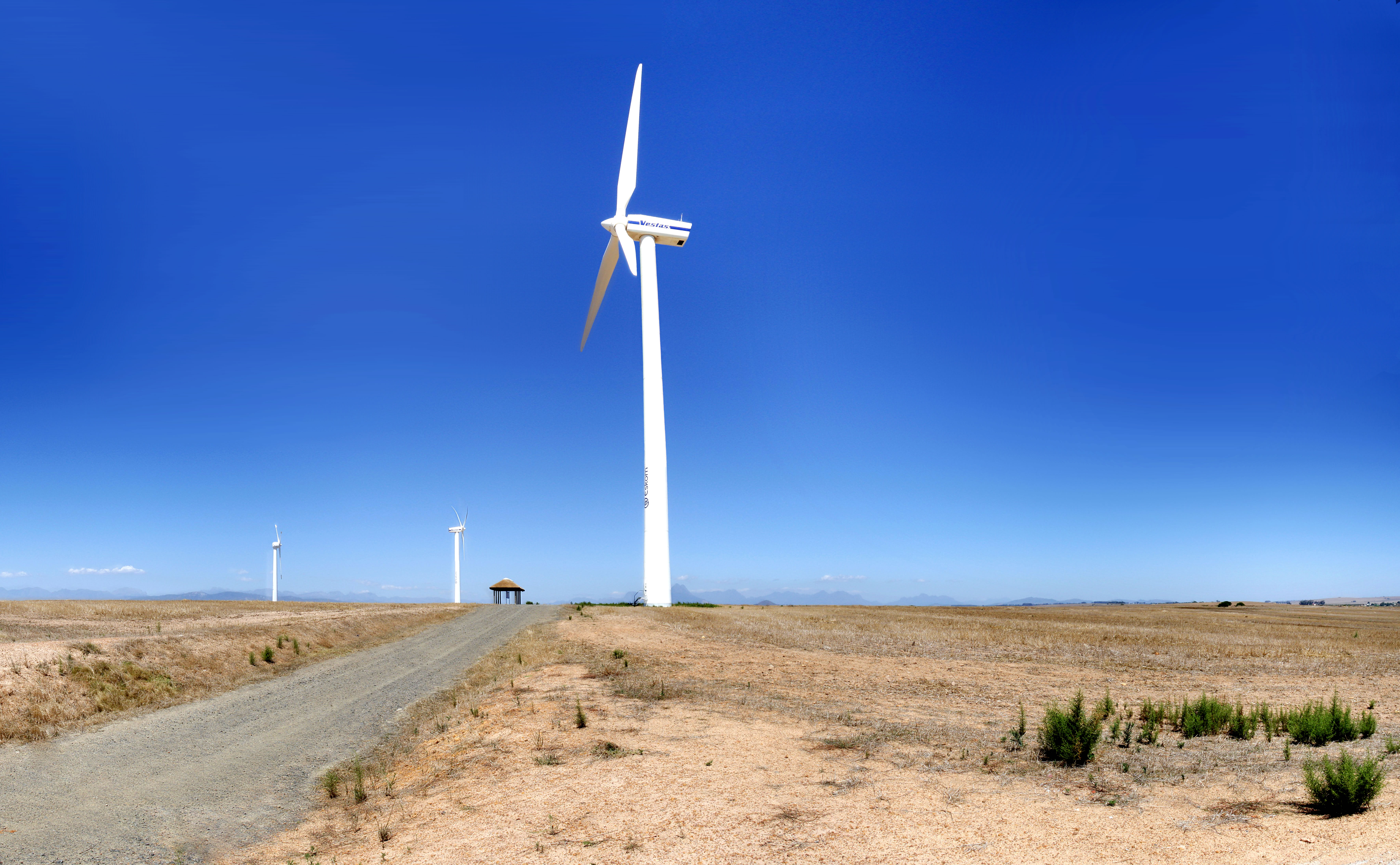
Tech giant Google announced at a conference in Washington DC that it would be backing up the largest solar power project in all of Africa.
Wired said Google’s 22nd investment would be the Lake Turkana Wind Power Project in northern Kenya. The project, once finished, will help provide clean energy to 2 million households, which currently use up 15 percent of Africa’s power grid capacity. Google points out that the wind speed in Lake Turkana on average is around 25 mph.
“The fastest growing economies are here, and there’s a strong need for critical power. Economies are being held back because they don’t have enough power—and yet they have wonderful renewable resources. These nations can meet their future and growing energy needs by tapping into some of the best renewable resources in the world, ” Google director of energy and sustainability Rick Needham said.
Endgadget said Google’s latest move will have it buying a 12.5 percent stake in turbine maker Vestas once the farm completes construction in 2017.







