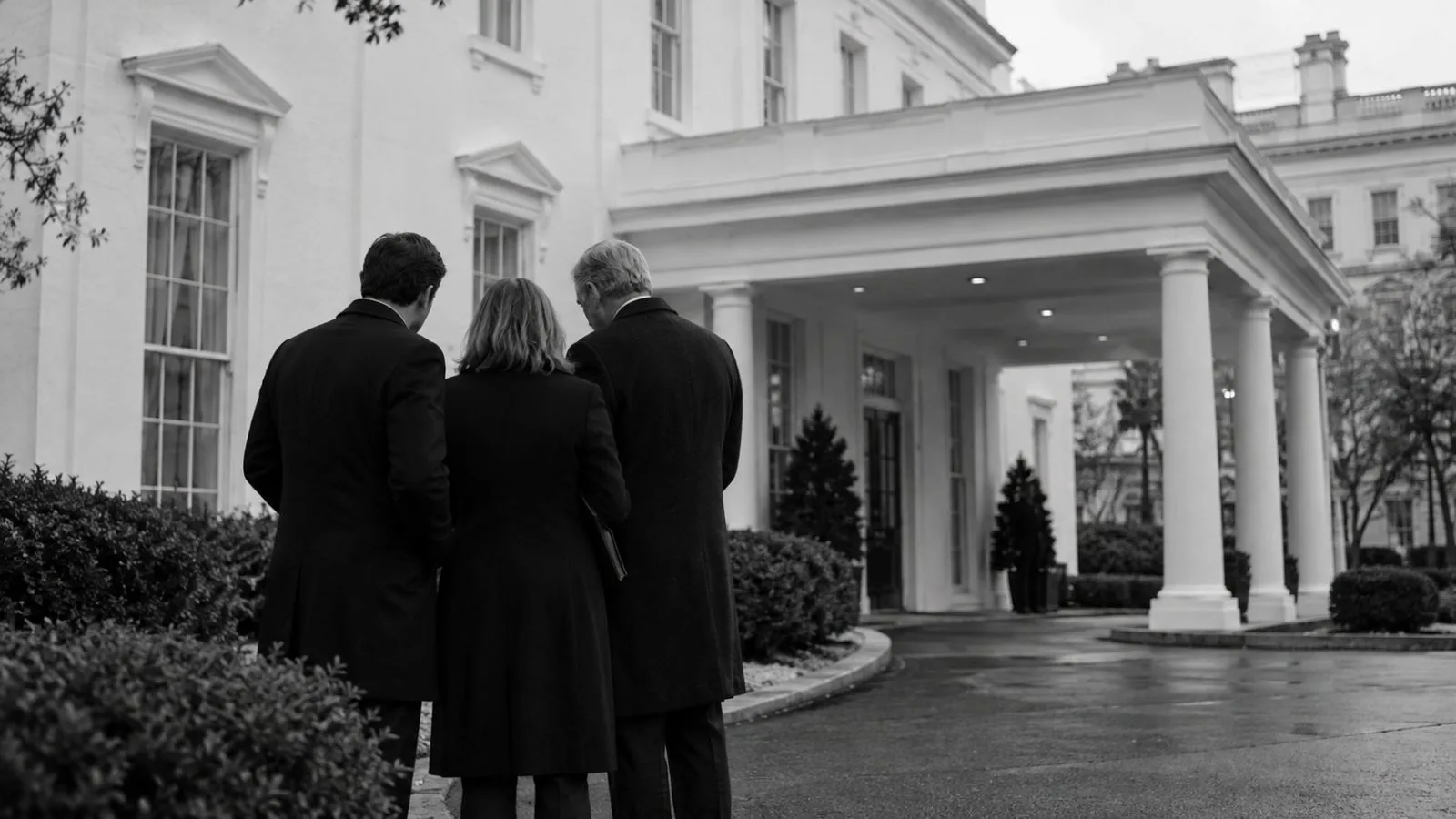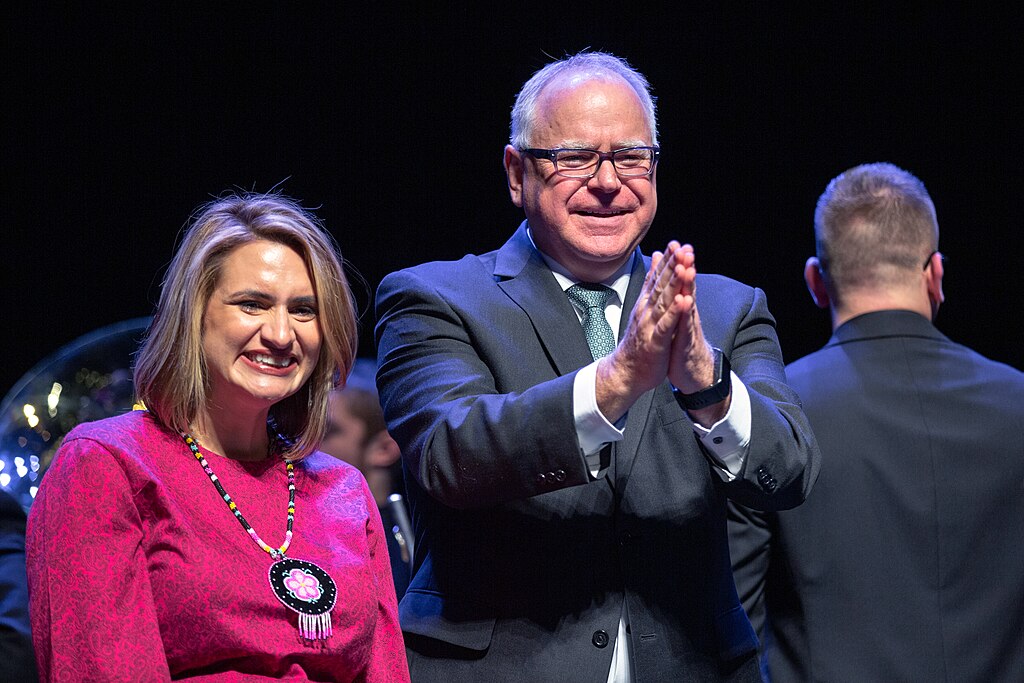
As speculation intensifies over Vice President Kamala Harris' potential running mate, Minnesota Governor Tim Walz has emerged as a controversial figure. Walz is facing allegations of compromising national security, which, if substantiated, could severely impact Harris' decision-making process and potentially devastate her campaign.
Governor Walz, who has been considered a strong contender for the vice-presidential slot, is now under scrutiny for behavior critics claim to disqualify him from a national security standpoint. These concerns center around alleged actions and associations that could undermine his ability to hold a position of such high responsibility.
The controversy surrounding Walz is expected to be a significant hurdle for Harris as she navigates the complex process of selecting a running mate. Given the high stakes in the upcoming election, any perceived vulnerability in national security could be a substantial liability for the campaign. Harris, already facing intense scrutiny from political opponents and the media, must weigh the potential fallout from choosing a candidate with such contentious baggage.
Insiders familiar with the situation suggest that the allegations against Walz could provide ample fodder for opponents to exploit, potentially derailing Harris' campaign efforts. In a political climate where national security is a paramount concern for voters, any indication of compromise could sway public opinion and shift the dynamics of the race.
The exact nature of the accusations against Walz remains somewhat murky, with details yet to be fully disclosed. However, sources close to the investigation indicate that the issues involve significant breaches that raise questions about his suitability for a role that demands unimpeachable integrity and security awareness.
This development places Harris in a precarious position, as she must balance the need for a strong, capable running mate with the imperative to avoid any semblance of controversy that could undermine her platform. The potential implications of selecting Walz extend beyond mere optics; they could influence voter confidence and affect the campaign's overall strategy.
Political analysts are already weighing in on the potential impact of this controversy. Some argue that the allegations against Walz could force Harris to reconsider her shortlist of candidates, seeking a safer, less contentious choice. Others suggest that Harris might stand by Walz, provided he can adequately address and dispel the accusations, showcasing a commitment to transparency and resilience.
The unfolding situation underscores the high-stakes nature of the vice-presidential selection process, where every decision is scrutinized and can have far-reaching consequences. As Harris' team deliberates, the pressure mounts to ensure that the chosen candidate not only complements her vision but also withstands the rigorous examination of their credentials and history.
More information is expected to surface in the coming days, shedding light on the specifics of the allegations against Walz. The Harris campaign's response to these revelations will be critical in shaping public perception and maintaining momentum in a fiercely competitive political landscape.